











James Van Der Beek's family left battling medical bills after actor's death from cancer

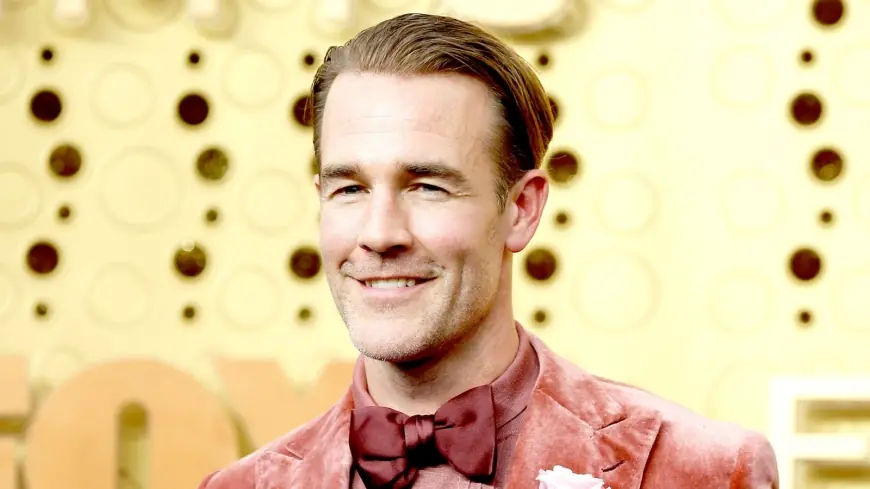
James Van Der Beek, the actor who rose to fame in the late 1990s, died on Wednesday, Feb. 11, 2026 (ET) at the age of 48 after a three-year battle with colorectal cancer. The family’s public plea for help and an online fundraiser that has raised more than $2. 3 million highlight how costly treatment and the decline of traditional entertainment revenue streams can leave even well-known performers financially vulnerable.
Rising costs and a family fundraiser
Van Der Beek’s wife said the cost of his treatment had become so severe that the family faced the risk of losing their home, prompting friends to organise an online fundraiser to support his wife and six children. The campaign has drawn high-profile donations, including a one-time gift of $25, 000 from a prominent director, monthly pledges from established actors, and multiple donations of $10, 000 from industry figures. The campaign organisers say funds will go toward essential living expenses and the children’s education as the family navigates an uncertain future.
Even as Van Der Beek continued to work after his diagnosis, appearing in two episodes of a television show in 2025, those efforts were not enough to erase the gap left by mounting medical bills. He also sold cherished career items at auction last November — including a tartan shirt from the first episode of his breakthrough series, a necklace featured in that show, and the sports shoes he wore in a 1999 film — in an attempt to offset costs and provide for his family.
Fame, contracts and thinning safety nets
Van Der Beek’s situation underscores a larger reality in the entertainment industry: visibility does not always equal financial security. He has publicly said he was paid "almost nothing" for his early hit series and that his contract did not include residuals — the ongoing payments performers receive when work is re-aired. "I was 20. It was a bad contract, " he said in an interview years ago, noting he saw almost nothing from the show’s initial success.
Residuals that once provided steady income for actors have been eroded by changes in distribution and the rise of streaming, reducing a vital revenue stream for many. For performers who rely on union health benefits, eligibility often depends on meeting work thresholds: an actor must typically work 108 days a year or earn at least $28, 090 on union-covered shoots to qualify. Those thresholds can be difficult to meet for performers whose careers have shifted from steady series work to sporadic projects and guest roles.
The issue is not unique to Van Der Beek. Other well-known actors who have faced serious illness in recent years have similarly highlighted gaps in coverage and financial support, particularly at the outset of treatment.
Legacy, community and the cost of care
Van Der Beek’s public battle and the response from peers and fans have prompted renewed discussion about the precarious nature of pay and protections in the creative industries. Friends, colleagues and strangers rallied quickly to help, demonstrating the strong communities that can coalesce around an individual and their family during crisis. Still, the scale of the financial help required has laid bare the broader problem: many Americans, including those in visible professions, remain exposed to catastrophic medical costs.
As his family moves forward, organisers emphasise immediate needs for housing stability and schooling for the children while also pointing to a conversation that extends beyond a single household — about contracts, benefits, and the systems that determine who is covered when illness strikes.