





















Gaza City Launches Cleanup Project to Boost Economic Recovery

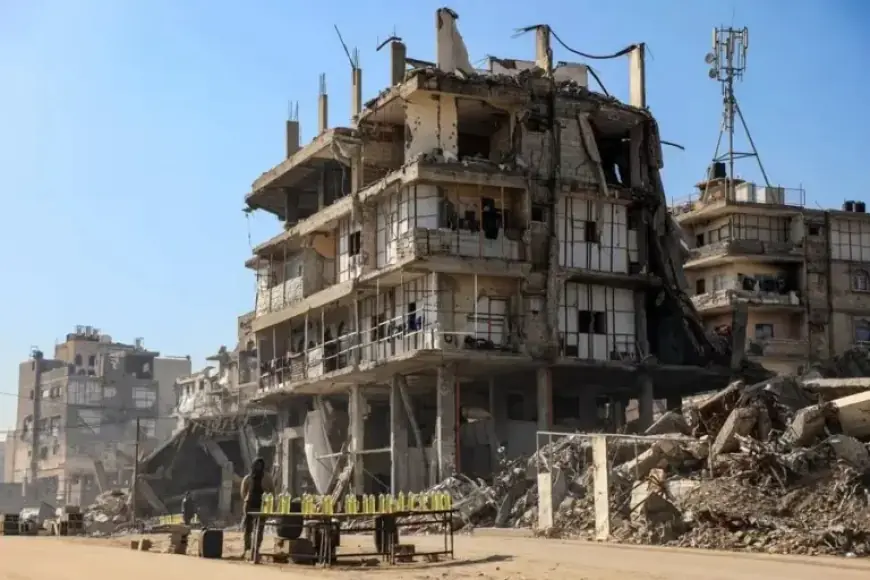
In a significant initiative aimed at economic recovery, Gaza City has launched a cleanup project in the Firas Market area. This project is crucial for revitalizing the local environment and business activities amidst ongoing challenges.
Details of the Cleanup Project
The Gaza municipality announced that efforts are underway to remove approximately 350,000 cubic meters of waste from the Firas Market area, a central site in Gaza City. The waste will be relocated from a temporary landfill to a designated site in the southern part of the city.
This operation is being executed in partnership with the United Nations Development Programme (UNDP). It represents a temporary measure until access is restored to the main landfill located in the Juhr al-Dik area. This primary facility is equipped to handle waste safely from Gaza City and nearby communities.
Timeline and Challenges
Mayor Yahya al-Sarraj stated that the waste transfer could take at least six months to complete due to the large volume of accumulated garbage. He emphasized the urgent need for proper waste management to address the severe environmental and health challenges faced by residents.
- Estimated waste accumulation: 700,000 tons across Gaza.
- Current waste risks: Increased disease outbreaks from flies, mosquitoes, and rodents.
- Access Issues: Restrictions on crossings by Israel have hindered the importation of necessary waste management equipment.
Community Response
The initiation of the cleanup has been met with optimism from local residents and officials alike. Alaa al-Batta, deputy head of the Union of Municipalities in the Gaza Strip, highlighted concerns over informal dumping sites and potential groundwater contamination due to accumulated waste.
Amjad al-Shawa, director of the NGO Network in Gaza, praised the waste removal project as a positive step. He noted that this initiative provides some much-needed relief from health risks associated with the existing waste situation.
Local residents, such as Ibrahim Nejim from the al-Samar neighborhood, expressed satisfaction with the cleanup’s commencement. He remarked on the improved air quality compared to previous months, which had been marred by foul odors and insects.
Hassan Khalil, a former shop owner in the Firas Market, shared hopes that clearing the waste would restore commercial vitality to the area. He recalled Firas Market as a vibrant hub before the recent conflicts disrupted normal life.
This cleanup project marks a vital first step in addressing the lingering effects of waste accumulation in Gaza City, aiming to foster both environmental recovery and economic revitalization.