

























Ilia Malinin’s Olympic Collapse Hands Men’s Figure Skating Gold to Mikhail Shaidorov

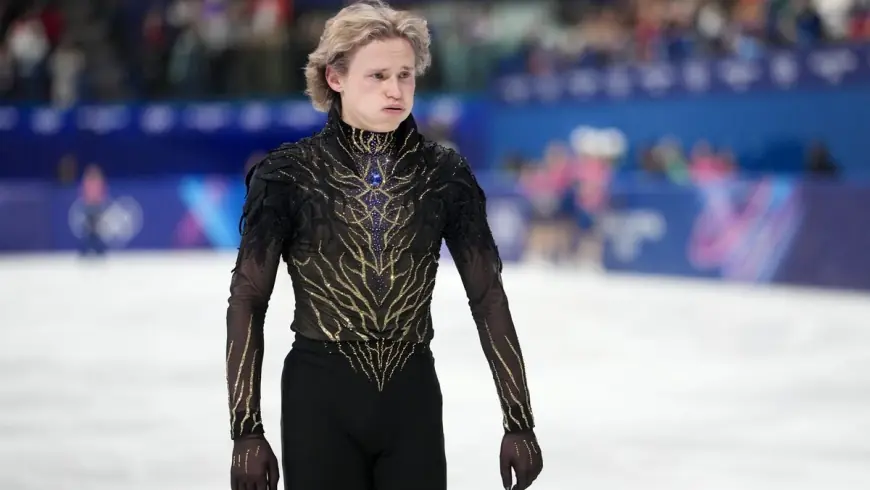
Ilia Malinin entered the men’s free skate at the 2026 Winter Olympics as the overwhelming favorite but suffered a stunning meltdown on Feb. 13, 2026 (ET), falling twice and completing only a fraction of his planned quads. The defeat opened the door for Mikhail Shaidorov to climb from fifth after the short program to take gold, while Japan’s Yuma Kagiyama and Shun Sato rounded out the podium.
Free skate unravels for the favorite
What began as a confident start ended in one of the most unexpected collapses in recent Olympic history. Malinin landed a clean quad flip early and appeared poised, but an attempted quad axel was popped and became a single axel. He downgraded a quad loop, fell on a quad lutz later in the program and suffered a second fall. The shortfalls left him with 264. 49 points overall and an eighth-place finish after entering the free skate as the frontrunner.
“I blew it, ” Malinin said after his Feb. 13 performance (ET). He acknowledged that the pressure at the Games affected his spacing and timing, saying the moment moved faster than he could adjust.
Shaidorov’s rise from fifth to gold
Mikhail Shaidorov posted a composed free skate and a total score of 291. 58, vaulting from fifth after the short program to Olympic champion. The win marks a historic achievement for his country — its first Olympic figure skating gold and only its second Winter Games gold since competing independently in 1994.
The victory was a study in seizing opportunity: Shaidorov delivered under pressure, his performance forcing many to reconsider the narrative that the event was all but decided beforehand.
Podium finishers and the final standings
Yuma Kagiyama of Japan claimed silver with 280. 06 points, securing a second consecutive Olympic medal despite an error-filled long program. Shun Sato, also representing Japan, took bronze with 274. 90 points. The final standings underscored how quickly fortunes can shift in men’s figure skating when mistakes compound.
Malinin had been atop the leaderboard after the short program but fell to eighth overall, a dramatic swing that reshaped the medal picture.
The weight of the moment
Malinin’s struggles highlighted the unique pressure of an Olympic debut. He had acknowledged pre-competition nerves in recent interviews and said that Olympic pressure felt "unreal. " For athletes accustomed to delivering in high-stakes events, the scale and spotlight of the Olympics can still introduce unfamiliar variables — a single misread of the ice or a split-second timing error can derail an otherwise clean program.
For spectators and competitors alike, the performance was a reminder that even the sport’s most technically gifted skaters remain vulnerable to the psychological demands of the moment.
What comes next for Malinin and the sport
At 21, Malinin is far from the end of his competitive arc. He arrived at these Games with a team event gold already in his pocket, and his technical innovations — notably the quad axel, which he has attempted and landed in prior competition — continue to push the sport’s limits. The outcome in Milan-Cortina will likely become a formative experience: a harsh lesson in managing expectation but also a benchmark from which he can rebuild.
For the broader field, Shaidorov’s triumph is an example of depth and unpredictability in men’s figure skating. The Games delivered drama, upended forecasts and reinforced that Olympic glory often accrues to those who combine technical skill with composure under the brightest lights.