













Wuthering Heights movie (2026) surges into Valentine’s weekend as Emerald Fennell and Margot Robbie drive debate, while GOAT gives audiences a very different kind of “greatest of all time”

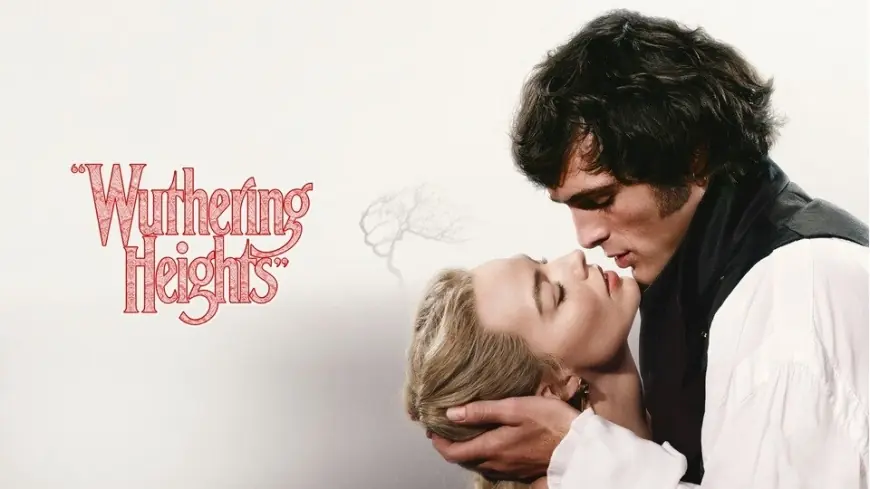
The Wuthering Heights movie arriving on Friday, February 13, 2026 ET has turned Valentine’s weekend into a two-lane event: classic literature reimagined as a modern, high-voltage romance on one side, and a family-friendly animated sports comedy literally titled GOAT on the other. The pairing has sparked a curious kind of cultural echo, where audiences bouncing between “wuthering heights book” searches and “happy valentines day images” are also asking a simpler question: what kind of love story do you want right now, tragic obsession or underdog joy.
Early box office estimates suggest Wuthering Heights opened strongly on day one, outpacing competing new releases and positioning itself as the weekend’s main adult-skewing draw. The conversation, though, is less about ticket totals than about a creative choice that is dividing viewers immediately.
Wuthering Heights 2026: what the new movie changes from the book, and why it’s the whole argument
Emerald Fennell’s Wuthering Heights is built around intensity rather than completeness. The adaptation narrows the story’s scope, centering on Catherine Earnshaw and Heathcliff as the emotional core and leaning into the romance’s brutal, magnetic pull. The most consequential structural change is that the film does not fully carry the novel’s later, next-generation arc, a decision that reshapes how the story lands for audiences who know the book well.
That choice is why people are searching both “wuthering heights” and “wuthering heights book” in the same breath. For readers, the later portion of the novel is not an optional appendix, it is where consequences, inheritance, and revenge calcify into a larger moral architecture. By trimming that architecture, the movie trades thematic breadth for a cleaner cinematic punch.
Behind the headline, the incentive is obvious. A two-hour film has to pick a spine, and the most marketable spine is the doomed romance. That is also the spine that sells on Valentine’s weekend.
Margot Robbie, the Barbie movie halo, and why casting is part of the marketing engine
Margot Robbie as Catherine is not just a creative decision, it is a visibility decision. The lingering cultural afterglow of the Barbie movie still functions like a mass-awareness amplifier. It does not guarantee that audiences will love this darker material, but it does guarantee that far more people will notice a period romance than would have in a quieter year.
That’s the real power of a star coming off a pop-cultural peak: it compresses the marketing timeline. Curiosity arrives preloaded. It also raises the stakes, because any controversy about tone, fidelity, or chemistry becomes louder when the lead is already part of the broader cultural bloodstream.
“Withering Heights” searches are spiking for a reason, and it says something about how people actually find movies
The misspelling “withering heights” is not just a typo trend. It is a sign of mainstream curiosity spilling past the bookish core. When a title with old-English flavor suddenly hits wide conversation, people type what they think they heard. That kind of messy search traffic is often a tell that a film has escaped the niche and entered general awareness.
For studios, that matters more than it sounds. It means the movie is not only being discussed by fans of the novel. It is being discussed by date-night audiences, casual moviegoers, and people who simply recognize the stars.
GOAT: the other Valentine’s weekend headline, and why it’s benefiting from being the opposite of Wuthering Heights
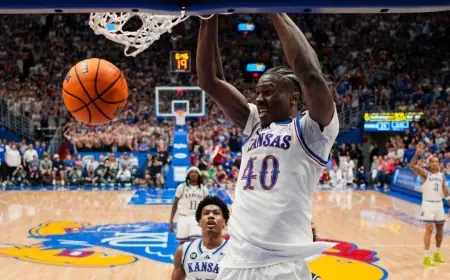
GOAT is a literal counter-programming play: animated, comedic, sports-driven, and built for families and younger viewers. The hook is simple and repeatable, a small goat with big dreams entering a rough, competitive game and trying to prove he belongs. In a weekend dominated by romance marketing, that clarity is a feature, not a limitation.
The second-order effect is that GOAT also helps stabilize the weekend for theaters. When one big adult release pulls couples and friend groups, a clean family option pulls everyone else. Together, they create an “everyone has something” frame that can lift the entire weekend’s attendance.
Behind the headline: what’s really being tested, and who has leverage
This weekend is quietly testing a few things at once.
Context: audiences have shown they will show up for event films, but they want a clear reason why a theater is the best place to watch.
Incentives: Wuthering Heights is trying to turn debate into urgency, while GOAT is trying to turn simplicity into volume.
Stakeholders: studios want proof that prestige romance can still open wide; theaters want repeatable traffic; audiences want a story that matches their mood without feeling like homework.
Missing pieces: how quickly Wuthering Heights drops after opening curiosity, and whether GOAT has staying power after the weekend spike.
Second-order effects: if the narrower Wuthering Heights approach works financially, more classic-book adaptations may chase emotional “high points” over full fidelity, reshaping how literature is translated to film.
Next steps: watch for three triggers over the next few days: strong second-week retention for Wuthering Heights, word-of-mouth that frames the changes as purposeful rather than reductive, and whether GOAT holds steady as families return after the holiday rush.
The practical takeaway is that Valentine’s weekend in 2026 is not picking one winner. It is showcasing two different definitions of satisfaction: catharsis and comfort. If the box office stays strong for both, the industry lesson will be simple. Audiences still want theaters, they just want the choice to match the feeling they walked in with.