

























Moderate Earthquake Rattles Salt Lake Region; Officials Launch Inspections

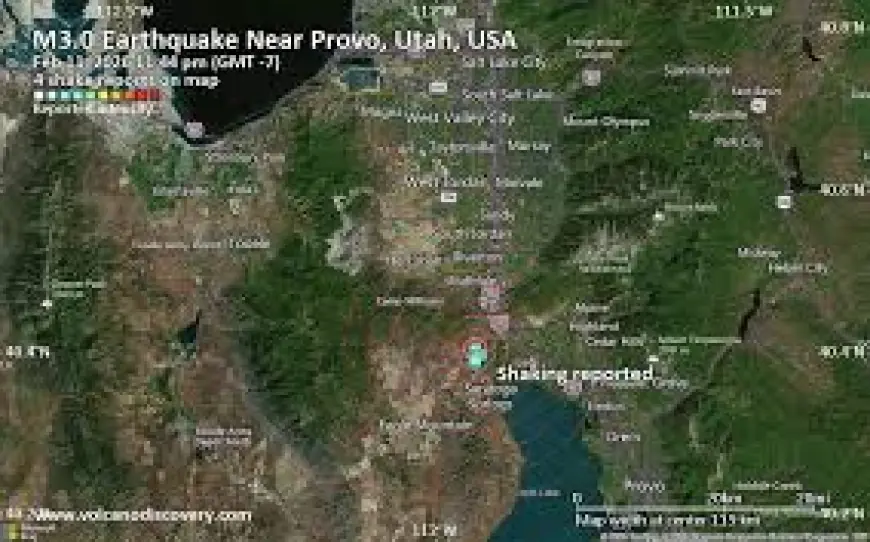
At about 9: 30 a. m. ET, a moderate earthquake struck the Salt Lake City metropolitan area, prompting inspections of buildings, roads and critical infrastructure. Preliminary seismic readings placed the magnitude in the mid‑4 range, and the temblor was widely felt across the valley. Authorities reported limited structural damage and no immediate large‑scale casualties as emergency crews began rapid assessments.
What happened
The quake originated beneath the Salt Lake Valley, with initial analyses indicating a shallow depth that accentuated surface shaking. The event produced strong, short‑duration jolts across residential and commercial districts, sending many people outdoors while automatic systems halted some transit operations. Seismologists escalated monitoring efforts to track the sequence of activity and refine location and magnitude estimates.
Impact and damage assessment
Early field checks found cracked plaster, toppled items and scattered debris in homes and businesses. A handful of older or unreinforced structures sustained visible damage and were flagged for closer inspection. Power interruptions affected several neighborhoods but utility crews moved quickly to isolate problems and restore service. Transit agencies temporarily paused light rail and commuter lines to inspect tracks and overhead systems; limited service resumed once safety checks cleared operations.
Aftershocks and ongoing seismic risk
Small aftershocks followed the main event, and officials warned residents to expect additional, typically diminishing tremors over the coming hours and days. Experts stressed that shallow quakes in urban basins can generate prolonged shaking and sporadic aftershock sequences. Emergency management teams are coordinating with seismologists to update public alerts and to prioritize inspections of critical infrastructure such as bridges, hospitals and water treatment facilities.
Public response and safety measures
Emergency centers opened to support residents with damage assessments and short‑term shelter needs. Schools and some municipal offices briefly closed to conduct safety checks. Residents were advised to drop, cover and hold on during aftershocks, to avoid damaged buildings, and to turn off gas if they smelled a leak. Nonessential travel was discouraged in immediate areas undergoing inspections to allow emergency crews unobstructed access.
Seismic context and preparedness
The Salt Lake region sits near active faults and has a long history of seismic activity. While most quakes are small, moderate events in populated areas can cause localized damage and disrupt services. Officials reiterated the importance of preparedness: securing heavy furniture, assembling emergency kits, and knowing evacuation and family‑reunification plans. Retrofitting older buildings remains a priority in reducing future earthquake risk.
What residents should do next
Residents should follow guidance from local emergency authorities, check in with family, and report significant structural damage or gas odors to emergency hotlines. Property owners are encouraged to document damage with photos for insurance and to avoid entering structures that appear unstable. Emergency management teams will continue neighborhood inspections through the day and will issue further updates if additional risks emerge.
Authorities emphasized that while this event caused notable shaking and localized damage, immediate large‑scale impacts appear limited. Monitoring will continue and officials asked the public to remain alert for updates and to heed safety recommendations.