






















Why Vince Carter’s leaping legacy still shapes the dunk contest debate

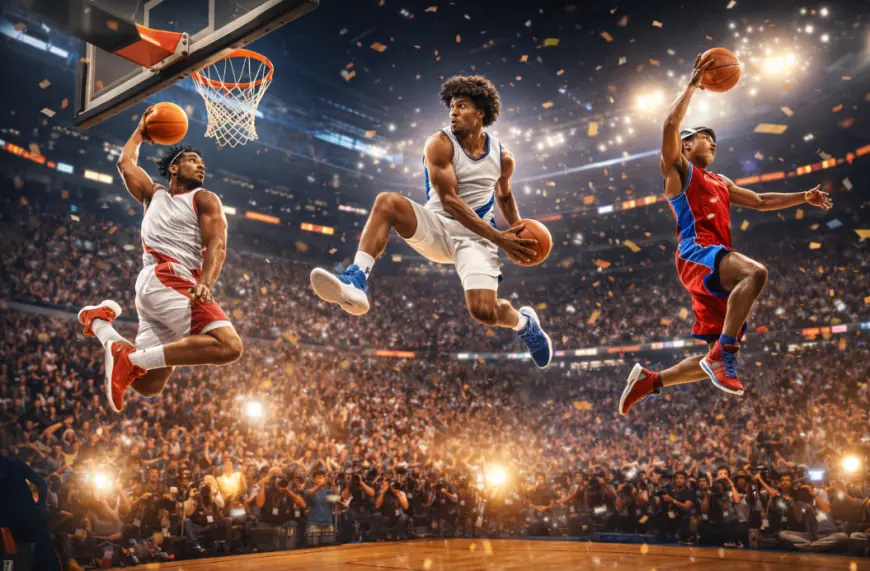
Vince Carter’s gravity-defying feats remain a touchstone in conversations about the Slam Dunk contest and modern high-flyers. Recent remarks from former players and dunk champions have reignited discussion about what made Carter special, why some stars shy away from the dunk stage now, and how his explosiveness continues to influence younger talent.
Cedric Ceballos on Carter’s “springs” and one-of-a-kind athleticism
Veteran dunker Cedric Ceballos described Vince Carter as possessing an almost supernatural lift, noting that Carter’s two-foot takeoff set him apart. Ceballos suggested Carter’s vertical felt like “springs” — a rare blend of power and timing that allowed him to execute dunks few others could replicate. That technical breakdown underlines why Carter remains a benchmark when evaluating leapers: his combination of hang time, creativity and body control still looks unmatched to many who played alongside or watched him rise.
What made Carter unique in the dunk era
Carter emerged at a time when the dunk contest routinely attracted marquee names and produced iconic moments. His ability to marry theatrical creativity with elite athleticism created memorable highlight-reel dunks that transcended the contest itself. More than just a sequence of athletic moves, Carter’s dunks read like performances — measured, rehearsed and delivered with charisma. That mix elevated the contest and created cultural touchstones that are still referenced as the gold standard.
Legacy beyond the contest: influence on younger players
Even as the dunk contest’s star power has ebbed and flowed, Carter’s imprint is visible in the next wave of athletes. Young players who grow up studying highlight packages and viral clips often cite his dunks as inspiration. Veterans who watched Carter in his prime point to the way he expanded what was possible in midair and encouraged a focus on both difficulty and presentation. For many current high-flyers, Carter is less an historical footnote and more a blueprint for crafting a moment that resonates with fans.
Why some modern stars avoid the dunk contest
Not all elite athletes want the dunk stage. Critiques emerging from the current landscape emphasize career protection, branding strategy and a fear of losing a public contest. One former contest winner pointed to an unwillingness among some stars to risk a perceived failure; another emphasized that the competitive mindset has changed, and some players now treat the event as a business decision rather than a pure sporting dare. The combination of risk and heightened scrutiny makes invitations to the contest a more complicated proposition for today’s top names.
Can the contest recapture its former glory, and where does Carter fit in?
Reviving the Slam Dunk contest’s peak appeal will require creative staging, willing participants and moments that capture wide attention. Carter’s era showed how a single performance can alter public perception of both a player and the event. His legacy offers a template: blend technical difficulty, originality and unmistakable personality. Whether the league and future participants can reproduce that formula is an open question, but Carter’s influence ensures that the standards for spectacular dunking remain high.
As the contest evolves, the conversation around Vince Carter keeps resurfacing not just as nostalgia but as a practical lens for evaluating what the event could be. His combination of athleticism and showmanship remains the benchmark that challengers must either embrace or find a new path around.