





















Cardi B’s 2026 Concert Run: “Little Miss Drama” Tour Kicks Off in California, Expands Across North America Through April

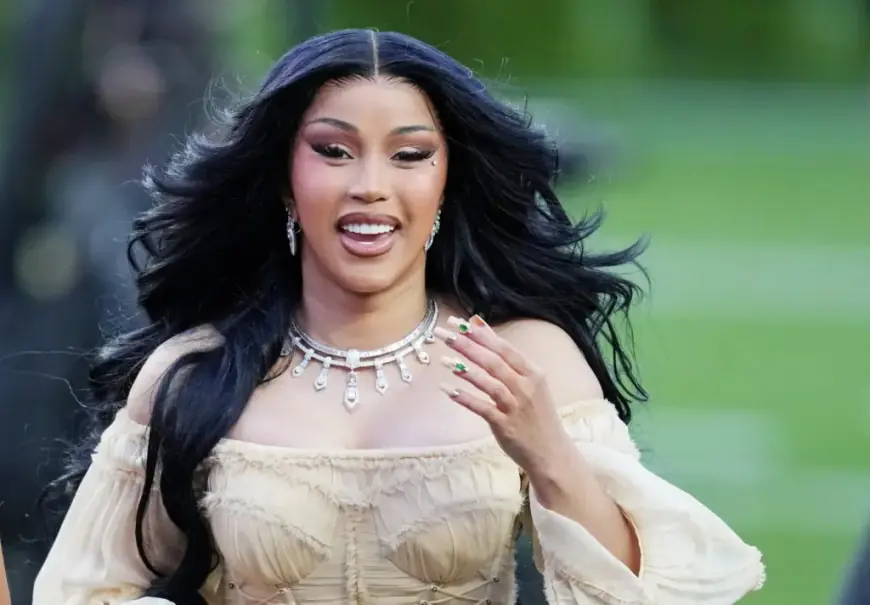
Cardi B is officially back on the road with her first major headlining arena run in years, launching the “Little Miss Drama” tour on Wednesday, February 11, 2026 (ET), and setting up a fast-moving North American schedule that stretches into mid-April. The tour is tied to her recent album era and arrives at a moment when pop-rap touring is increasingly about spectacle, social-media velocity, and tight routing that turns every stop into a headline.
For fans searching “Cardi B concert” and “Cardi B tour,” the big-picture update is straightforward: this is a multi-city arena run with frequent dates, premium add-ons, and enough demand that ticket availability can change quickly as shows approach.
Cardi B tour 2026: what’s happening now
The “Little Miss Drama” tour began in Palm Desert, California, and is billed as a 35-show North American run continuing through April 18, 2026 (ET), with the current routing focused on major U.S. and Canadian markets. Several stops are set up as weekend-friendly dates, the kind that typically drive travel purchases and “friends trip” planning, which is increasingly how arena tours maximize attendance beyond the home city.
The early run is also doubling as a rolling promotional campaign: opening-week clips, crowd moments, and setlist chatter are moving quickly online, helping the tour market itself city by city.
Cardi B concert dates: how the schedule is shaping demand
Even without listing every city, a few scheduling dynamics matter for fans trying to plan:
-
The tour is moving through large arenas with multiple back-to-back travel legs, meaning ticket prices often swing based on day-of-week and how close the show is.
-
Weekend dates tend to sell faster, while midweek shows may have more inventory but can spike late if the tour gets a surge of viral buzz.
-
VIP-style packages are being promoted heavily, a sign of how artists now rely on premium experiences to boost revenue beyond standard tickets.
If you’re tracking a specific city, the most reliable strategy is to watch for “production holds” releasing closer to showtime, which can create sudden pockets of seats after initial sellouts.
Behind the headline: why this tour is bigger than a typical “return to the stage”
Cardi B’s touring story isn’t just a music story. It’s a business and cultural positioning story.
Context: Arena tours have become the clearest signal that an artist is operating at the top tier, especially in hip-hop where single-driven success doesn’t always translate into long-form ticket demand. A fully routed arena run is a bet that the brand can carry a two-hour night in every city, not just dominate playlists.
Incentives: The economics are pushing tours to be louder and more “moment-ready.” Artists and teams want repeatable clips: a mid-show speech, a crowd chant, a surprise transition, a visual gag, a viral line. Those moments function like ads that fans circulate for free, and they can materially change late-sales momentum for upcoming dates.
Stakeholders: Promoters, venues, sponsors, and local economies all benefit when a tour sells strongly. Fans gain the shared live experience, while the artist gains leverage for future negotiations and releases. The trade-off is that more stakeholders also means more pressure points: security protocols, crowd-control standards, and heightened scrutiny of anything said on stage.
Second-order effects: A tour like this can shift the broader touring market. When a major artist proves demand is strong, it can reset venue pricing expectations, staffing, and even routing competition for other acts in the same months.
The flashpoint factor: when a concert moment becomes national news
The opening stretch has already produced a public clash narrative after Cardi B made forceful comments about immigration enforcement at a show, drawing a response from federal officials. That kind of moment is now part of modern touring reality: concerts are not sealed-off entertainment bubbles; they’re live broadcasts in a thousand phones, instantly reframed as politics, culture war, or activism.
What matters operationally is not the argument itself but the outcome: heightened attention can drive ticket demand in some markets, while increasing security concerns in others. It can also influence how teams brief artists about what to expect from crowds, protests, or online backlash.
What we still don’t know
Several practical details remain fluid as the tour rolls forward:
-
Whether any dates will add second nights in high-demand markets
-
How the setlist evolves after the first week once performance pacing and crowd response are fully tested
-
Whether any special guests appear on select stops, which often happens once the tour rhythm settles
-
How production complexity affects start times and pacing from city to city
What happens next: realistic scenarios and triggers
-
Additional dates get added in late March or April
Trigger: Strong sell-through in major markets and available venue holds. -
The setlist shifts to emphasize crowd-response segments
Trigger: Social clips revealing which moments generate the biggest engagement. -
Ticket pricing stabilizes, then spikes again near the final leg
Trigger: End-of-tour urgency and fans traveling for “last chance” shows. -
More offstage headlines follow the tour
Trigger: Any statement, guest appearance, or incident that catches national attention.
Why it matters
For fans, this is the clearest “go time” signal in years: Cardi B is doing a full-scale arena tour, not a handful of festival stops. For the industry, it’s a test of how star power, viral performance moments, and premium ticketing combine in 2026’s touring economy. The next meaningful update will come from whether the routing expands, how the live show evolves, and whether the tour’s early spotlight translates into sustained demand through April.