
























Trinidad Chambliss ruling puts Ole Miss 2026 plans back on track

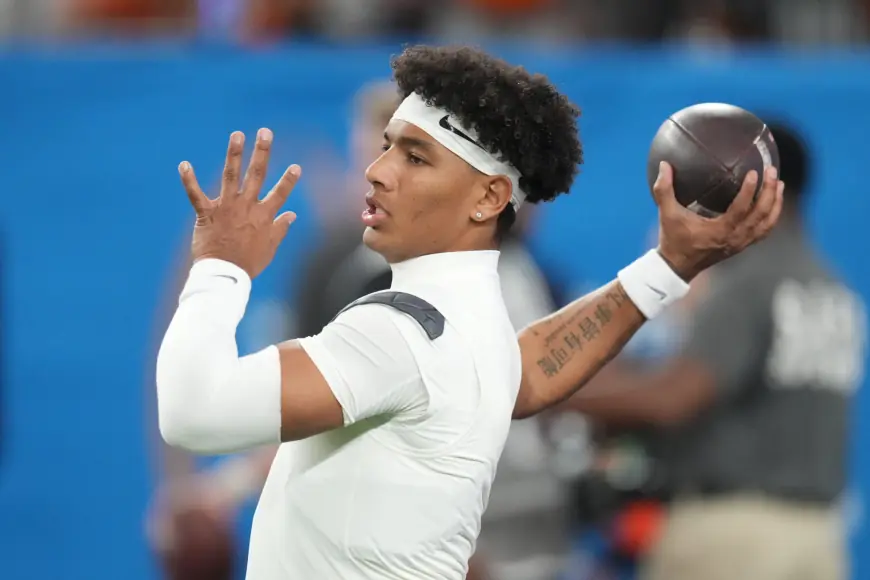
A Mississippi judge has cleared a path for quarterback Trinidad Chambliss to play the 2026 season at Ole Miss, issuing an injunction that criticized the NCAA’s handling of his eligibility waiver and immediately reshaped expectations for the Rebels’ title chances. The decision, issued Thursday, Feb. 12, 2026 (ET), gives Ole Miss a potential franchise quarterback for another run—while setting up a likely appeal and more legal turbulence before Week 1.
Chambliss, a transfer who became a breakout star last season, is now at the center of a broader fight over how college sports handles extra eligibility years tied to medical issues and limited participation.
The judge’s injunction and why it matters
The ruling allows Chambliss to be treated as eligible for the 2026 season while the case continues. In plain terms: he can practice, prepare, and—unless a higher court changes the order—be available when the season begins.
The judge’s written decision took direct aim at how the NCAA evaluated Chambliss’ request, describing the process as unfair and faulting the organization for disregarding medical documentation central to his claim. That language matters because it increases the stakes for the NCAA: this isn’t a narrow technical dispute, but a ruling that questions whether the decision-making process was credible.
The NCAA has signaled disagreement with the outcome, and an appeal remains a real possibility. Until that is resolved, Ole Miss is operating in a cloud of uncertainty: building an offense around Chambliss makes competitive sense, but the team must also be ready for a scenario where the ruling is paused or reversed.
Who Trinidad Chambliss is and how he got here
Chambliss’ eligibility story runs through a multi-year path that includes a redshirt season, limited appearances during years affected by illness and reduced playing time, and then a surge that turned him into one of the sport’s most valuable returning quarterbacks.
He began his college career at Ferris State before transferring to Ole Miss. His waiver request focused on seasons in which he played sparingly while dealing with health problems, arguing those years should not be fully counted against his eligibility.
The NCAA denied the waiver earlier this year, which is what set off the lawsuit and the Thursday courtroom showdown that ultimately produced the injunction.
What it means for Ole Miss on the field
Ole Miss’ immediate football impact is obvious: a proven starter returning changes everything from preseason ranking expectations to recruiting leverage. Chambliss’ 2025 season featured high-volume production, a low-interception profile, and a late-season stretch where the offense looked built to win in January.
He also carries the “big game” stamp. Ole Miss’ playoff run last season featured moments where Chambliss looked comfortable operating in high-pressure situations, particularly after he took over as the starter early in the year and stabilized the position.
With Chambliss in place, Ole Miss can keep continuity in scheme, protection calls, and receiver timing—an advantage that becomes enormous in a conference where even top teams often reset at quarterback.
Betting markets and NIL money move quickly
The ruling didn’t just alter depth charts; it moved money. Sportsbooks adjusted Ole Miss’ national title odds within hours of the injunction, tightening their price as bettors reacted to the idea that Chambliss could return for 2026.
On the player side, the decision also intersects with NIL reality. Chambliss’ potential return is tied to a lucrative NIL landscape where an elite college quarterback can earn more than many mid-round NFL contracts. That financial incentive is one reason eligibility fights have become so intense: for top players, the value of an extra season is no longer abstract.
Even if the lawsuit continues, the practical effect is that Ole Miss can recruit and market itself around a star quarterback right now—unless a higher court intervenes.
The bigger picture: eligibility rules in a courtroom era
Chambliss’ case is the latest example of courts increasingly shaping college sports, especially when eligibility, transfers, and compensation collide. The NCAA argues that inconsistent rulings across different states create chaos and that national rules require national solutions. Critics argue that a legal check is necessary when athletes believe the system is opaque or arbitrary.
This is the tension at the heart of the Chambliss dispute: the NCAA wants uniform enforcement; players want individualized review that reflects real medical and participation circumstances. When the two sides clash, the battlefield is no longer only compliance offices—it’s courtrooms.
What to watch next
The calendar now matters as much as the arguments:
-
Appeal risk: A higher court could modify or pause the injunction, which would immediately affect spring and summer planning.
-
Roster decisions: Ole Miss must manage the quarterback room and portal strategy with an eye on uncertainty.
-
Season opener stakes: The Rebels are slated to open the 2026 season against Louisville, and the availability of Chambliss could shape everything from game plans to national perception.
For now, Trinidad Chambliss is back at the center of Ole Miss’ 2026 hopes—an on-field difference-maker whose status is also a live test of how college football’s rulebook holds up in the modern legal and NIL era.