













Anthony Anderson Opens Up About Health, Diabetes and His Path Forward

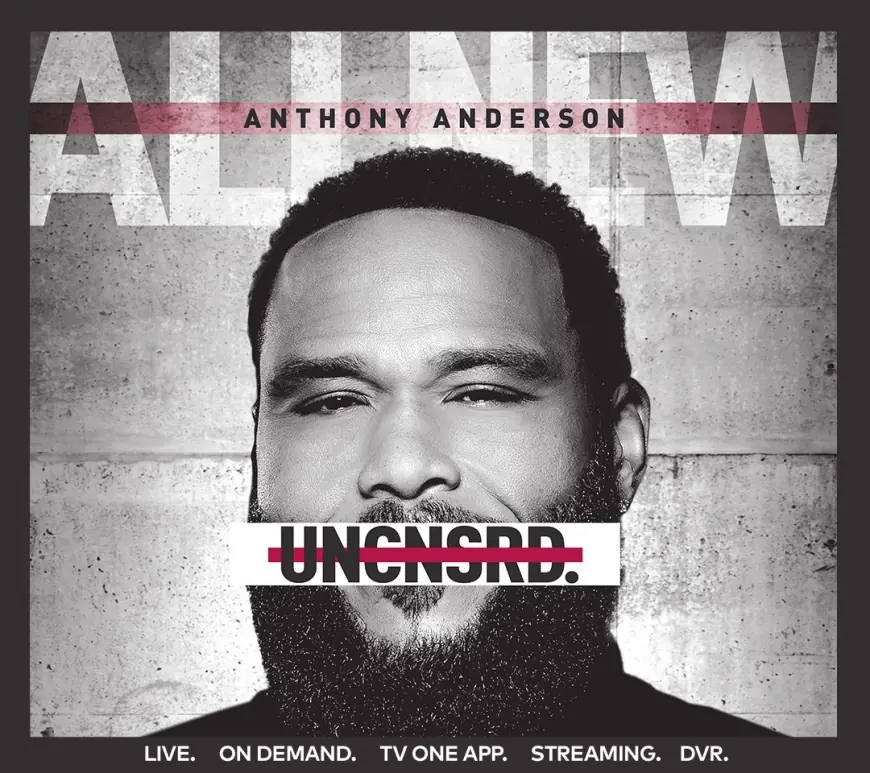
Anthony Anderson sits down for a frank, personal interview that peels back the layers behind the performer audiences know best. In a conversation set to air Thursday, February 19, 2026 (ET), Anderson discusses his ongoing health battle with type 2 diabetes, the choices that steered him away from a dangerous path in his youth, and how comedy helped him survive — and ultimately thrive.
A rare, candid conversation
The interview finds Anderson in a reflective mood, balancing blunt honesty with the warmth and wit that have defined his public persona. He allows viewers to see beyond punchlines, talking openly about family, faith, and the habits he’s had to overhaul after a life-changing diagnosis. The tone is less promotional and more confessional: a deliberate effort to show the man behind the jokes.
Living with type 2 diabetes
A central thread of the sit-down is Anderson’s experience managing type 2 diabetes. "I’ve been living with type 2 diabetes for years, and it’s something I have to be mindful of every single day, " he says, explaining how the condition forced a reassessment of diet, exercise, and daily routine. He calls the diagnosis a wake-up call that pushed him toward discipline and consistency, particularly while juggling long production days and life in the public eye.
Anderson frames diabetes management as ongoing work rather than a single fix. He stresses how stress, irregular schedules and the pressures of maintaining a career can complicate healthy choices, and he urges a pragmatic approach that combines medical care with lifestyle changes. The message is clear: accountability and habitual care are non-negotiable.
Roots and the road not taken
Another major portion of the conversation revisits Anderson’s upbringing in a challenging environment where quick money and risky decisions were common. He recounts the magnetism of that lifestyle and the choices he deliberately rejected. "I knew that life wasn’t for me, " Anderson says, crediting family and faith for keeping him on a different course.
Those early crossroads inform much of his outlook today. Instead of glamorizing survival shortcuts, he lays out how small decisions accumulate into long-term outcomes. The interview highlights how a refusal to take the immediate, dangerous option enabled a steady climb into opportunities that required persistence rather than shortcuts.
Comedy as armor and therapy
For Anderson, humor has always been more than entertainment. He describes comedy as a coping mechanism that both protected him and allowed him to process trauma. "Comedy saved my life in a lot of ways, " he observes, noting that laughter helped him weather personal struggle long before it became his profession.
The conversation explores how the mechanics of making people laugh intersect with deeper emotional work: disarming pain, building connection, and reclaiming agency. Anderson frames his craft as a tool for survival that later evolved into a career and a platform for speaking candidly about issues that matter to him.
Career demands and personal responsibility
The interview also addresses the practical realities of being a visible Black man in a demanding industry. Anderson speaks about the grind required to break through and to sustain a presence on network television, including the pressures that can come with leading a series. He ties those professional stresses back to his health, saying they were instrumental in prompting lifestyle changes.
The overall narrative is one of responsibility — to self, family and community — and continual growth. Anderson stresses that success and evolution are not mutually exclusive; in his telling, they must go hand in hand.
What to expect
The forthcoming episode promises an intimate portrait rather than a highlight reel. Viewers tuning in on Thursday, February 19, 2026 (ET) should expect a measured, reflective conversation that connects personal history to present-day choices, and that underscores resilience as an ongoing practice. For fans and casual viewers alike, the interview is a stark reminder that public success often rests on private decisions.