





Wuthering Heights Movie Lands in 2026 With Jacob Elordi at the Center of a Fierce Fidelity Fight

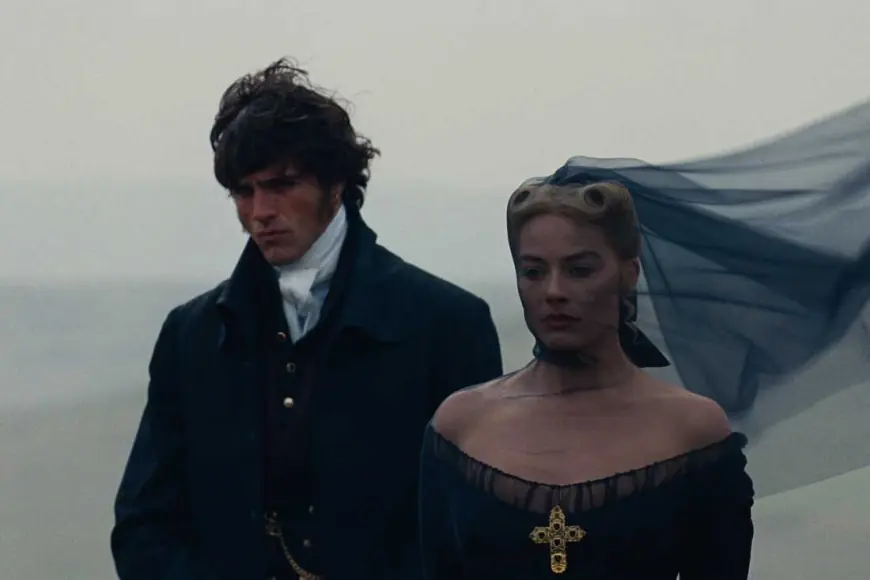
The Wuthering Heights movie conversation has shifted from speculation to real-world release chatter in 2026, with Jacob Elordi’s casting as Heathcliff becoming the flashpoint for a broader debate about what a modern adaptation of Emily Brontë’s novel is allowed to change. Even the search confusion between “wuthering heights” and “withering heights” has become part of the story: the misspelling keeps trending alongside genuine interest in the Wuthering Heights book, signaling that a new wave of viewers is arriving through the film first and the literature second.
The timing matters. A big-ticket period drama arriving in 2026 is fighting for attention in a crowded entertainment calendar, and it has to win on two fronts at once: satisfy readers who know every page, while still feeling accessible to audiences who mainly know the title and the vibe.
Wuthering Heights 2026: What the New Film Is Trying to Be
This Wuthering Heights film is not positioning itself as a museum-piece recreation. The creative approach is being discussed as bold, heightened, and intentionally provocative, with a tone that leans into the story’s raw obsession rather than its gentler romantic marketing. That’s a risky strategy, but it is also a coherent one: Brontë’s novel is a harsh work about damage, class, power, and revenge cycles, not a comforting love story.
The result is predictable friction. When a film leans into sensuality and spectacle, readers who prize the book’s psychological dread may see it as distortion. When a film preserves the book’s cruelty, mainstream audiences may call it unpleasant. Adaptors almost never escape both criticisms at once.
Jacob Elordi as Heathcliff: Why Casting Became the Whole Debate
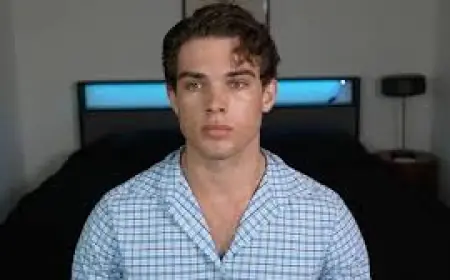
Jacob Elordi’s presence instantly elevates the project’s visibility, but it also makes Heathcliff’s identity the loudest controversy. In the book, Heathcliff is an outsider whose origins are ambiguous and socially weaponized against him. Modern readers increasingly interpret that outsiderhood as tied not only to class and illegitimacy, but also to race and Britain’s broader history.
That’s why casting arguments are so intense: people aren’t simply arguing about performance. They’re arguing about what the story means in 2026, what the film chooses to emphasize, and whether the adaptation narrows an ambiguity the novel deliberately leaves charged.
Stakeholders have competing incentives here:
-
The production wants a bankable lead who can open a film globally.
-
Viewers want a portrayal that reflects how the book’s outsider dynamics read today.
-
Literary fans want ambiguity preserved rather than simplified into a single aesthetic.
Wuthering Heights Review Culture: Why Reactions Are So Polarized
A Wuthering Heights review rarely stays on filmmaking craft alone. The book is so culturally loaded that reviews become arguments about morality, trauma, and romance myths.
There are three typical lanes of reaction:
-
Fidelity-first readers who judge the film by what it omits or rearranges.
-
Style-first viewers who treat it as a standalone gothic fever dream.
-
Values-first critics who focus on how the film frames coercion, obsession, and harm.
The volatility is amplified by short-form clip culture. A few provocative scenes can dominate the discourse and drown out nuance about structure, performances, and theme.
The “Barbie Movie” Shadow Without Saying the Quiet Part Out Loud
Search interest ties this Wuthering Heights movie to the producer-driven momentum created by the recent toy-based cultural phenomenon that proved brand-adjacent filmmaking can be both auteur-friendly and massively commercial. That success changed industry math: it convinced studios that star-led, stylistically bold projects can travel worldwide if marketed like events.
Second-order effects show up immediately:
-
More aggressive marketing for period dramas, treating them like pop moments.
-
Higher budgets for literary adaptations that previously would have been modest.
-
A sharper focus on casting as the primary marketing hook.
In other words, Wuthering Heights is not just competing with other prestige dramas. It is competing with a new expectation that every release should feel like an online event.
What We Still Don’t Know
Even with a 2026 release conversation swirling, several practical questions remain central to how this film ultimately lands with audiences:
-
How the film handles the novel’s structural complexity and generational scope
-
Whether it preserves the book’s moral ambiguity or reshapes it into clearer heroes and villains
-
How much of the novel’s second-half consequences are emphasized versus the early obsession
-
Whether the adaptation invites viewers back to the Wuthering Heights book or replaces it in the public imagination
What Happens Next: 5 Realistic Scenarios and Their Triggers
-
The film becomes a gateway to the Wuthering Heights book
Trigger: classrooms, reading groups, and social platforms use the film as a prompt to revisit Brontë’s themes. -
The backlash hardens into a long-running “wrong Heathcliff” debate
Trigger: casting discourse stays louder than performance discourse for weeks. -
The adaptation sparks a wave of darker classic reinterpretations
Trigger: strong box-office hold and awards attention for craft and acting. -
The conversation narrows to shock-value scenes rather than story
Trigger: clips dominate, and broader narrative context gets lost. -
A counter-adaptation gets fast-tracked
Trigger: the market reads polarization as proof of demand, not failure.
Wuthering Heights has always been a story that splits audiences. A 2026 Wuthering Heights movie with Jacob Elordi simply updates the battleground: not whether the tale is messy, but who gets to define what that mess means now.