


Hollywood Reacts Strongly to Seedance 2.0 Controversy

Recently, Seedance 2.0, the latest AI-powered video creation tool from TikTok’s Chinese parent company, ByteDance, has sparked significant controversy in Hollywood. This platform allows users to generate creative videos, but its launch has raised alarms regarding intellectual property rights.
Hollywood’s Strong Reaction to Seedance 2.0
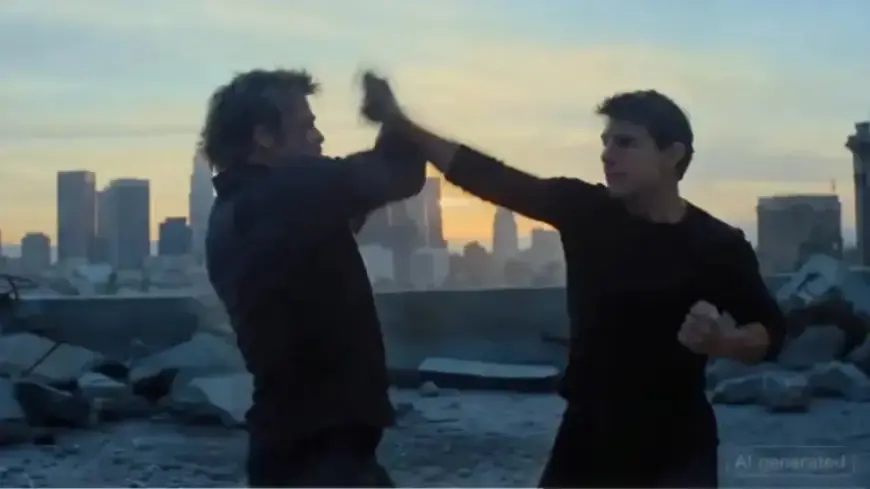
In a short period, Seedance 2.0 enabled users to produce viral content featuring major Hollywood figures. Notable examples include a simulated fight between Tom Cruise and Brad Pitt, an alternate ending to “Game of Thrones,” and an unexpected scene with Rocky Balboa and Optimus Prime in a fast-food setting.
Industry Backlash
The response from Hollywood was immediate and intense. Following these developments, Charles Rivkin, CEO of the Motion Picture Association (MPA), condemned Seedance 2.0. He stated, “In a single day, the Chinese AI service has engaged in unauthorized use of U.S. copyrighted works on a massive scale.” He urged ByteDance to stop these infringements, emphasizing the fundamental role of copyright law in protecting creators’ rights and sustaining jobs within the industry.
Furthermore, the actors’ union, SAG-AFTRA, weighed in on the controversy, declaring that ByteDance’s actions amounted to “blatant infringement.” They highlighted the unauthorized use of their members’ voices and likenesses, underlining the negative impact of such practices on artists’ livelihoods.
Concerns About AI and Copyright
The Human Artistry Campaign, a coalition of various entertainment groups, also criticized Seedance 2.0. They labeled it “an attack on every creator around the world.” The coalition argued that the alleged appropriation of artists’ works is detrimental to culture and infringes on personal autonomy.
The Copyright Alliance, a leading advocacy group for creators, supported these claims, asserting that the unauthorized use of American creators’ works by foreign companies poses a significant threat. Their CEO, Keith Kupferschmid, emphasized the need for decisive action against these violations.
Looking Ahead: What’s Next for Hollywood?
If the industry’s history is any guide, the backlash against Seedance 2.0 may lead to unified action similar to the response to OpenAI’s previous project, Sora 2. After Sora 2 generated unauthorized clips involving actor Bryan Cranston, SAG-AFTRA collaborated with talent agencies to negotiate better protections for artists.
As Hollywood prepares for upcoming contract negotiations, the impact of AI on the industry remains a pressing concern. With negotiations set to begin soon, addressing AI regulation will likely take center stage.
Key Takeaways
- Seedance 2.0 enables the creation of AI-generated videos featuring Hollywood intellectual property.
- Hollywood organizations have condemned the platform for copyright infringement.
- SAG-AFTRA and other groups are advocating for better protections for creators’ rights.
- Future negotiations will aim to address the regulatory landscape surrounding AI in entertainment.
As the situation develops, it remains crucial for the entertainment industry to engage in meaningful dialogue about the responsible use of AI, ensuring that creators’ rights are safeguarded in the evolving digital landscape.