

























Second Aircraft Carrier USS Gerald Ford Deployed to Middle East: Report

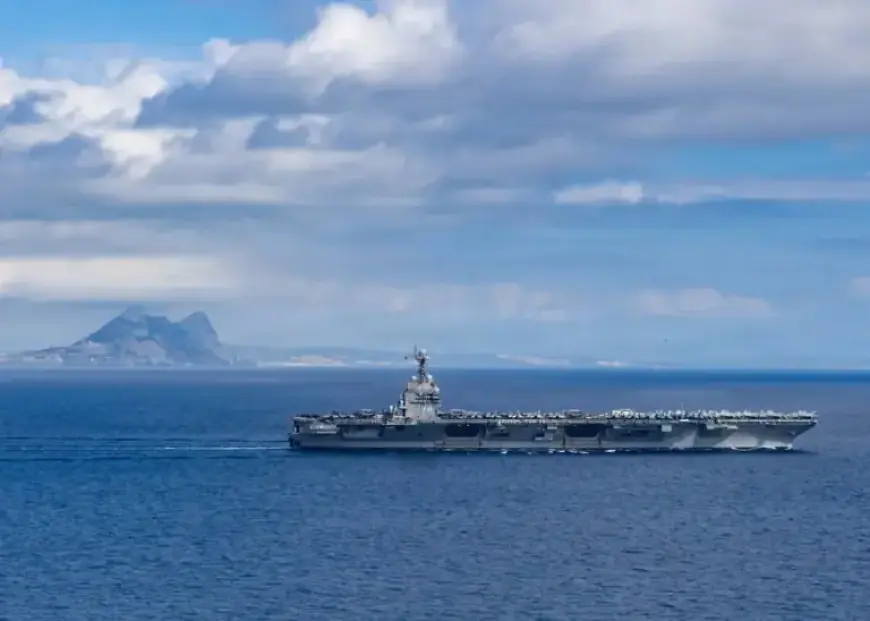
The United States is deploying the USS Gerald R. Ford, its largest aircraft carrier, to the Middle East. This deployment aims to bolster military presence in the region, particularly in light of ongoing tensions with Iran. The USS Ford will join the USS Abraham Lincoln, which is currently stationed in the Arabian Sea.
Context of the Deployment
This strategic move comes after President Donald Trump expressed a desire for renewed negotiations with Iran regarding its nuclear program. However, those discussions have not materialized. Recently, senior Iranian officials engaged in talks with Oman and Qatar, highlighting the complexities of regional diplomacy.
Background of the USS Gerald R. Ford
- USS Gerald R. Ford is the largest aircraft carrier in the world.
- Previously part of a military presence in the Caribbean aimed at Venezuela.
- First reported deployment to the Middle East by The New York Times.
Current Situation in the Middle East
The deployment of the USS Ford comes at a sensitive time for Iran. The country is currently observing 40-day mourning ceremonies for victims of recent protests. This internal situation adds pressure on the Iranian government, which faces widespread dissent and sanctions.
As Iran grapples with these issues, Gulf Arab nations have also raised concerns. They warn that any military aggression could escalate into a broader regional conflict, especially following the recent violence related to the Israel-Hamas war.
Military Details
The USS Abraham Lincoln, alongside its guided-missile destroyers, is already operating in the Arabian Sea. The addition of the USS Ford will double the U.S. carrier presence in the area.
The USS Ford began its current deployment in late June 2025. As of now, the carrier’s crew has been at sea for nearly eight months. It is unclear how long the vessel will remain in the Middle East, but reports suggest an extended deployment may be on the horizon.
Impact on U.S.-Iran Relations
President Trump has warned Iran that failure to reach an agreement will lead to “very traumatic” consequences. Following his talks with Israeli Prime Minister Benjamin Netanyahu, both leaders emphasized the necessity for Iran to modify its ballistic missile program and cease support for militant factions such as Hamas and Hezbollah.
As the situation continues to evolve, international observers are closely monitoring how these military movements and diplomatic efforts will influence stability in the region.