






















Winter Olympics medals: Norway leads on gold as host Italy tops total count

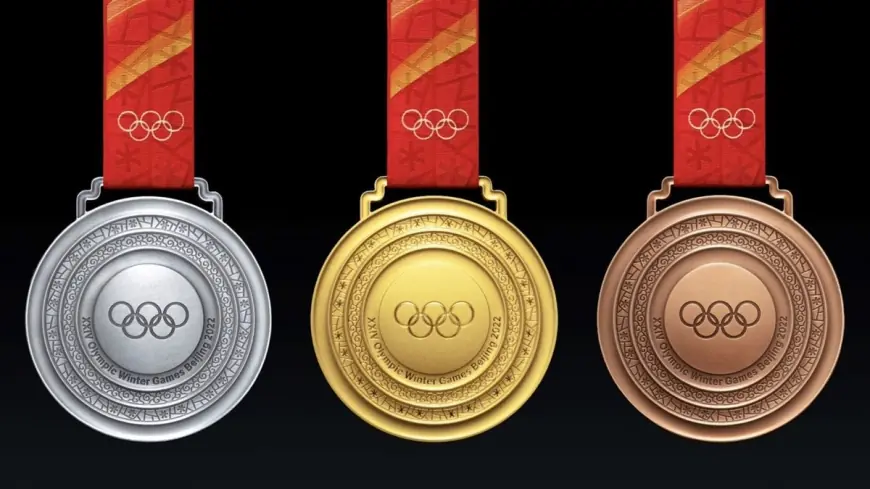
With the Milano Cortina 2026 Winter Olympics moving deeper into the first week, the medals race is tightening into two distinct storylines: Norway sitting first on golds, and host Italy keeping pace on overall hardware. The table below reflects the latest published standings as of Friday, Feb. 13, 2026, 7:00 p.m. ET.
Latest medal table leaders
Medal tables are ranked by gold medals first, then silver, then bronze.
| Rank | Country | Gold | Silver | Bronze | Total |
|---|---|---|---|---|---|
| 1 | Norway | 8 | 3 | 7 | 18 |
| 2 | Italy | 6 | 3 | 9 | 18 |
| 3 | United States | 4 | 7 | 3 | 14 |
| 4 | France | 4 | 5 | 1 | 10 |
| 5 | Germany | 4 | 3 | 2 | 9 |
| 6 | Sweden | 4 | 3 | 1 | 8 |
| 7 | Switzerland | 4 | 1 | 2 | 7 |
| 8 | Austria | 3 | 6 | 3 | 12 |
| 9 | Netherlands | 3 | 3 | 1 | 7 |
| 10 | Japan | 3 | 2 | 7 | 12 |
Norway’s gold pace vs. Italy’s medal depth
Norway’s lead is straightforward: it’s converting big moments into wins and stacking golds early. The latest boost came in cross-country, where Johannes Høsflot Klæbo added another title to his résumé, extending Norway’s advantage at the top of the gold column.
Italy, meanwhile, is showing the profile of a host that’s peaking across multiple venues: a high total, a strong bronze count, and enough golds to stay within striking distance if Norway’s pace cools. The host advantage is not automatic in winter sport, but Italy’s spread suggests it’s not relying on one discipline to carry the table.
United States in the chase position
The United States sits third, and its medals mix tells the story of a team that’s finding points in breadth rather than runaway dominance: lots of silver, a healthy total, and a realistic path to climb if a few tight finals flip the other way.
That “nearly there” feel is common in Olympic standings. A single day with two or three gold conversions can swing the table more than a handful of bronzes—especially because the ranking system prioritizes gold.
The day that reshaped men’s figure skating results
One of the biggest medals moments this week came in men’s figure skating, where the expected script broke in the free skate. Ilia Malinin, who entered as a major favorite after leading the short program, suffered a rough program with multiple jump errors and slid down the standings. The result both changed the podium and jolted the broader medals race narrative for fans who had been tracking “did Ilia Malinin win gold” and “men’s free skate results.”
The takeaway for the table: figure skating can deliver dramatic point swings for national totals, but it’s also one of the least predictable places to “bank” a gold before the blades hit the ice.
How to read the medal table during Week 1
Early in the Games, totals can be misleading because different sports front-load medal events. A few tips for reading the standings as they evolve:
-
Gold-first ranking means one great day can jump a country multiple places, even if its total medals remain lower than a rival’s.
-
Bronze-heavy totals often show depth, but they don’t move the ranking as efficiently as gold.
-
Clusters of ties are normal—several countries can sit on the same gold count, and the table then becomes a silver-and-bronze tiebreak contest.
This is why the middle of the top 10 can reshuffle quickly. A nation with three golds and a high silver count (like Austria or Japan) can leapfrog others with the same golds if it strings together podiums in quick succession.
What to watch next in the medals race
The next few days typically decide whether the table becomes a two-team duel or stays a crowded chase. The most important indicators:
-
Whether Norway keeps converting cross-country and biathlon opportunities into gold, maintaining its edge in the ranking column that matters most.
-
Whether Italy can turn depth into additional wins, not just podiums, to challenge for No. 1 overall by gold.
-
Whether the United States’ silvers turn into golds, especially in events where it’s already placing multiple athletes into finals.
By the second week, the standings usually become less volatile, because fewer “new sports” enter the program and more medals come from disciplines with multiple repeat starts. For now, the medals picture remains open—tight at the top, and crowded right behind it.