














Ukrainian Athlete Denied Olympic Appeal to Honor Fallen Countrymen

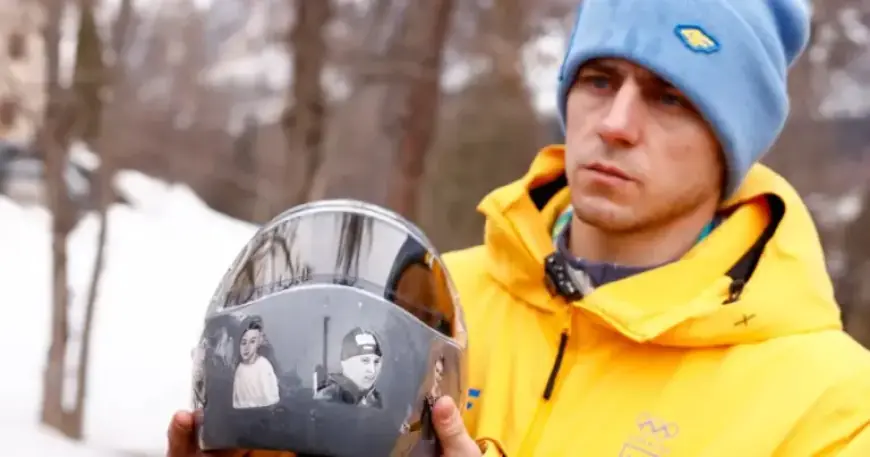
Ukrainian skeleton athlete Vladyslav Heraskevych has been denied the opportunity to compete in the Olympics after the Court of Arbitration for Sport upheld his disqualification. The ruling came after Heraskevych wore a helmet honoring Ukrainian lives lost due to the ongoing conflict with Russia.
Decision by the Court of Arbitration for Sport
The Sole Arbitrator expressed sympathy for Heraskevych’s intentions, recognizing his desire to honor the victims of the war. However, the court maintained that the Olympic guidelines for athlete expression were designed to keep the focus on sport and performance.
Guidelines on Athlete Expression
- The Athlete Expression Guidelines support freedom of speech but impose limits during competitions.
- Alternative platforms for athletes to express their views exist, such as press conferences and social media.
- The court ruled that the helmet breached the political neutrality rules set by the Bobsleigh and Skeleton Federation.
The court stated that the limitations are reasonable and proportional. “The aim is to maintain a common interest in athletic performance,” the court’s release noted. Consequently, Heraskevych’s appeal was dismissed.
Background of the Controversy
Heraskevych, 27, had been scheduled to compete at the Milan Cortina Olympics but was disqualified just before his event. The decision was attributed to the principles under Rule 50.2 of the Olympic Charter, which prohibits political demonstrations at the Games.
Reaction from the Ukrainian Government
In light of the ruling, Ukraine’s government described the situation as a “moment of shame” for the International Olympic Committee (IOC). Heraskevych mentioned that the IOC deemed his helmet violated Rule 40, concerning media expression during the Olympics.
Statements from IOC Officials
IOC President Kirsty Coventry acknowledged the strength of Heraskevych’s message but noted that he failed to explore any compromises during discussions. While he was allowed to wear the helmet in practice, the IOC drew a firm line against its use in competition.
Outcomes and Implications
After his appeal, Heraskevych expressed optimism about the court proceedings, stating his belief in maintaining integrity for those honored on his helmet. However, he has also reported receiving threats from individuals in Russia, attributing this hostility to the IOC’s decision.
He articulated, “For me to back down is betraying” those memorialized on the helmet. The emotional and psychological toll of this controversy may extend beyond the realm of athletics, reflecting broader socio-political dynamics.
The dispute highlights ongoing tensions surrounding political expression in sports, particularly in the context of the war in Ukraine. As the situation unfolds, the implications for athletes advocating for their causes remain significant.