























ICE Arrest Surge Strains Federal Court System


The recent surge in arrests by Immigration and Customs Enforcement (ICE) has significantly burdened the federal court system. This escalation in immigration enforcement actions has had profound implications for numerous individuals, particularly in Minnesota.
Impact of ICE Arrest Surge on Federal Courts
In Minnesota, immigration lawyer Graham Ojala-Barbour has encountered the consequences of last month’s aggressive ICE operations. These operations resulted in numerous arrests, with many detainees moved to facilities far from their homes. This has led to an overwhelming influx of cases in federal courtrooms across the country.
Surge of Arrests and Legal Consequences
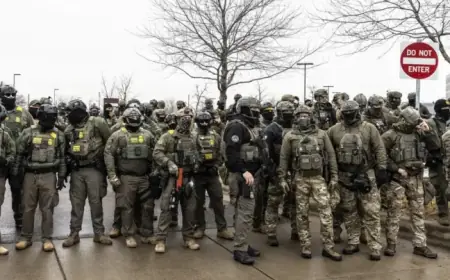
The spike in arrests included reports of violence during these operations, with three shootings reported in Minneapolis. Tragically, two U.S. citizens were killed. Following these events, widespread protests erupted across the nation, highlighting concerns about the aggressive tactics employed by immigration enforcement. Despite a recent announcement to scale back operations, the repercussions are likely to linger in the legal system.
- Over 4,000 individuals were swept up in the recent ICE dragnet.
- Many detainees had no criminal history and were pursuing legal status.
- ICE operations led to significant legal consequences, including thousands of habeas corpus petitions filed in Minnesota.
Judicial Backlog and Challenges
Immigration lawyers report a dramatic increase in habeas corpus filings, which compel the government to justify custody. U.S. Attorney Daniel N. Rosen noted that the surge in litigation has strained resources within his office, necessitating a shift in priority to address the overwhelming number of new cases.
Chief Federal Judge Patrick J. Schiltz criticized ICE for violating nearly 100 court orders linked to its crackdown, indicating a severe disobedience of judicial mandates. A spokesperson from the Department of Homeland Security claimed the administration was prepared to manage this increase in legal caseloads.
Personal Stories of Detained Immigrants
The case of Yulexi Loor Tacuri, an asylum seeker from Ecuador, exemplifies the trauma faced by many during this crackdown. Detained in early January, Loor was surrounded by federal vehicles while driving home. Following her arrest, she was sent to a detention facility in Texas and fitted with an ankle monitor.
Ojala-Barbour successfully filed a habeas petition that led to her release, allowing her to return to her family in Minnesota. However, the fear of future enforcement actions has left Loor apprehensive about her safety and freedom.
Continued Legal Dilemmas
The legal landscape surrounding immigration has become increasingly complex. Recent policy changes have subjected almost all undocumented individuals to mandatory detention, significantly reducing the discretion of immigration judges. This situation ensures that legal battles will persist, contributing to an enduring backlog in the court system.
The implications of the ICE arrest surge extend far beyond immediate legal challenges. With thousands still detained and legal processes under strain, the overall framework of immigration enforcement continues to provoke questions and unrest nationally.