
























Rickie Fowler Debuts Innovative 3D-Printed Irons at Tournament

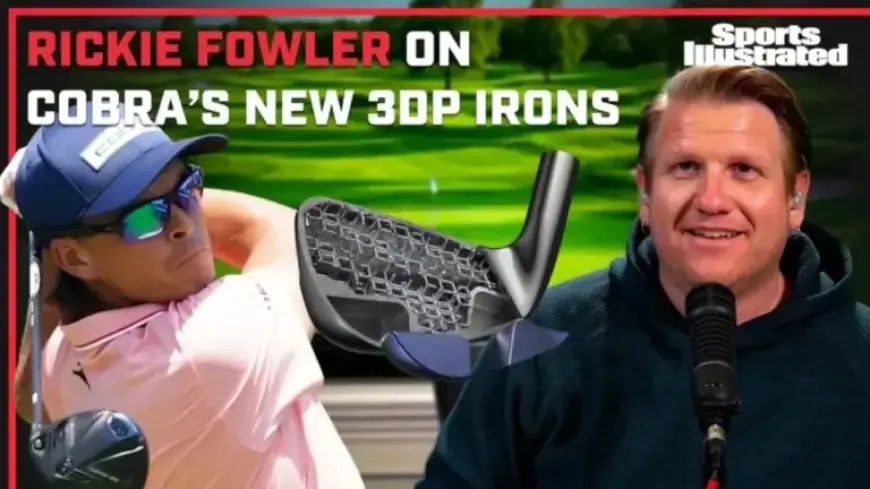
In a significant evolution within the golf industry, Rickie Fowler has recently introduced a revolutionary line of 3D-printed irons during tournament play. This collaboration with Cobra Golf marks a pivotal moment, as it blends cutting-edge technology with the age-old sport of golf.
Rickie Fowler’s Innovative 3D-Printed Irons
Fowler’s commitment to utilizing 3D-printed irons reveals a shift from conventional manufacturing towards a more personalized approach. This venture not only enhances his game but positions him as a trailblazer in modern golf equipment.
The Shift to 3D Printing
Initially, Fowler expressed hesitation regarding the effectiveness of 3D-printed clubs. He underwent extensive testing before feeling ready to showcase these innovative tools on an international stage. This careful preparation contrasts with the tendencies of many amateur players, who often opt for off-the-shelf equipment without thorough evaluation.
Strategic Implications for the Golf Industry
Fowler’s transition to 3D-printed irons signals important changes for stakeholders involved in the golf industry:
- Rickie Fowler: Transitioned from standard clubs with limited customization to personalized, high-performance irons.
- Cobra Golf: Evolved from traditional manufacturing methods to becoming a leader in 3D printing technology.
- Golf Enthusiasts: Move from standardized clubs to exposure to innovative, high-tech options.
The Broader Golfing Landscape
This adoption of 3D-printed irons is part of a global trend focused on personalization within sports equipment. Players are gravitating towards tailored gear that improves their precision and overall performance. Countries like Australia, Canada, and the UK are also witnessing this transition, as golfers seek to leverage technological advancements.
Localized Impact: Demand Across Major Markets
In the United States, Fowler’s partnership with Cobra could significantly boost demand for 3D-printed clubs, making this advanced technology appealing to amateur golfers. Meanwhile, in the UK and Canada, manufacturers may ramp up their research and development to introduce similar innovations. Australian players, known for their experimental mindset, may quickly integrate these advancements into their game, further influencing local brands to develop custom solutions.
Future Implications for Golf Equipment
Several trends are expected to follow Fowler’s bold move with 3D-printed irons:
- Increased Adoption: More professional golfers are likely to embrace 3D printing, leading to wider acceptance among amateurs.
- Custom Fitting Services: Personalized fitting may become standard practice, increasing customer satisfaction.
- Market Shift: Traditional manufacturers will face pressure to innovate or risk obsolescence, resulting in heightened competition.
Ultimately, Rickie Fowler’s pioneering efforts with 3D-printed irons highlight a dynamic transition in the realm of golf equipment. As the sport merges traditional values with technological advances, the future of golf promises to be both exhilarating and transformative.