

























President Vetoes Two Bills, One for the Second Time

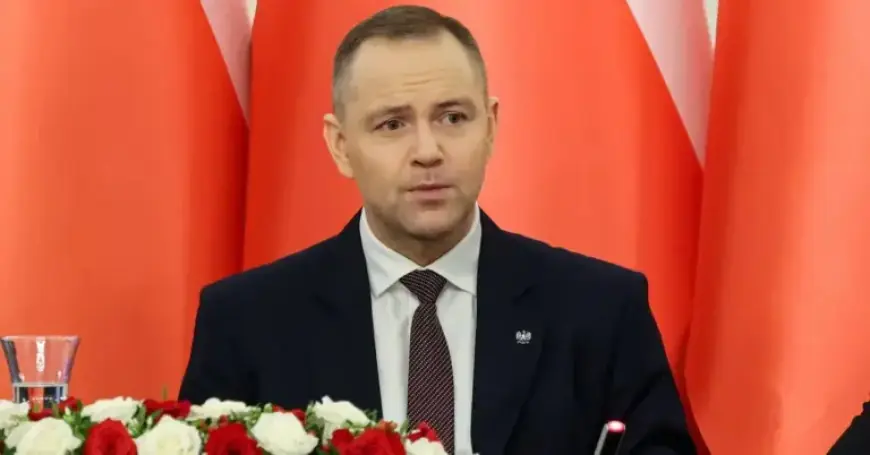
On February 12, President Karol Nawrocki signed eight new laws aimed at improving various sectors within the country. These newly enacted laws included measures to enhance the operations of Volunteer Fire Departments, a act concerning asset declarations, and a framework for shareholder registration.
In addition, President Nawrocki approved legislation on packaging, amendments to the law regarding found items, and a law establishing a day to honor war veterans. The legislation also included provisions related to the psychology profession and changes to the electoral code, allowing candidates to be supported through electronic signatures.
President Vetoes Two Bills, One for the Second Time
Despite these approvals, the President exercised his veto power against two significant bills. Most notably, he rejected the cryptocurrency market regulation bill for the second time. Initially vetoed in November of the previous year, the renewed legislation sought to introduce regulatory measures intended to prevent violations in the cryptocurrency sector. These measures would have empowered the Financial Supervision Authority to halt public offerings of cryptocurrencies.
Reasons for Vetoing the Cryptocurrency Bill
The President expressed his concerns regarding the new bill, claiming that it contained overly broad, ambiguous, and disproportionate solutions. The main difference between the latest version and the previous one was the adjustment in the maximum supervisory fee.
Second Veto on Recognizing the Silesian Language
In addition to the cryptocurrency regulations, the President also vetoed a bill that sought to recognize the Silesian language as a regional language. This marked the second attempt to change the legal status of the Silesian language, bringing the total number of unsuccessful legislative efforts to nine.
If passed, the legislation would have classified the Silesian language alongside Kashubian in the minority languages law. This change could have led to the introduction of optional Silesian language classes in schools, as well as the installation of bilingual signs in regions where over 20% of residents identify as Silesian speakers.
Potential Impacts of the Vetoes
- Continuing regulatory uncertainty in the cryptocurrency market.
- Limited recognition and support for the Silesian language.
- Ongoing public and political discussions regarding minority rights.
As the discussions around these bills continue, they highlight the ongoing complexities in legislation and representation issues within the nation. The impact of these vetoes may reshape the dialogue on language and digital currencies moving forward.