
























Auto Stop/Start Technology: A Thing of the Past

The U.S. Environmental Protection Agency (EPA) has announced significant changes that will influence the future of auto stop/start technology in vehicles. This decision comes as part of a broader initiative to deregulate vehicle emissions standards.
End of Incentives for Auto Stop/Start Technology
The EPA has eliminated incentives that previously encouraged automakers to implement auto stop/start systems in their vehicles. This development is poised to make the feature less prevalent in new models.
Background of Auto Stop/Start Systems
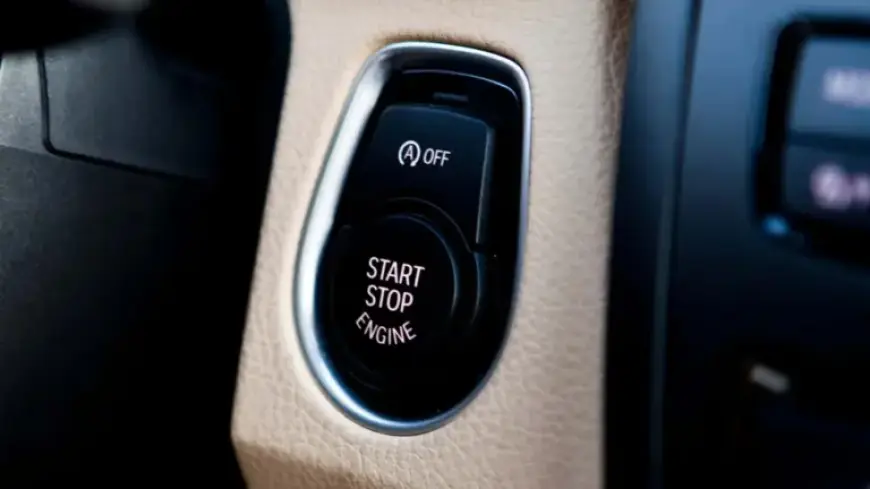
Auto stop/start technology was designed to enhance fuel efficiency. By automatically shutting down the engine when the vehicle stops and restarting it when the driver accelerates, it reduces fuel consumption during idling.
Impact of the EPA Decision
- The EPA’s announcement is regarded as one of the most extensive deregulation efforts in U.S. history.
- As of February 2026, all off-cycle credits tied to auto stop/start have been revoked.
- This shift aligns with a larger deregulation movement under the current administration.
Administrator Lee Zeldin remarked that the rollback of these regulations aims to alleviate consumer frustration and reduce hidden costs associated with previous consumer choice restrictions. He stated, “The Endangerment Finding has been the source of…trillions of dollars in hidden costs for Americans.” This finding, previously labeled crucial for climate policy, is now discontinued.
Future of Auto Stop/Start Technology
Although automakers are no longer mandated to include auto stop/start systems in new vehicles, they still have the option to offer it. The likelihood of its inclusion may diminish, especially as consumer preferences lean toward less intrusive technologies.
This decision highlights a significant shift away from mandatory specifications for vehicle emissions and greenhouse gas reductions. While it may be welcomed by drivers who find automatic stop/start annoying, the long-term effects on fuel economy and environmental policy remain uncertain.
As this situation evolves, consumers will be watching closely to see how these regulatory changes shape the automotive landscape.