























Elon Musk Unveils Tesla Robotaxi Fleet Update: Investment Opportunity or Skepticism?

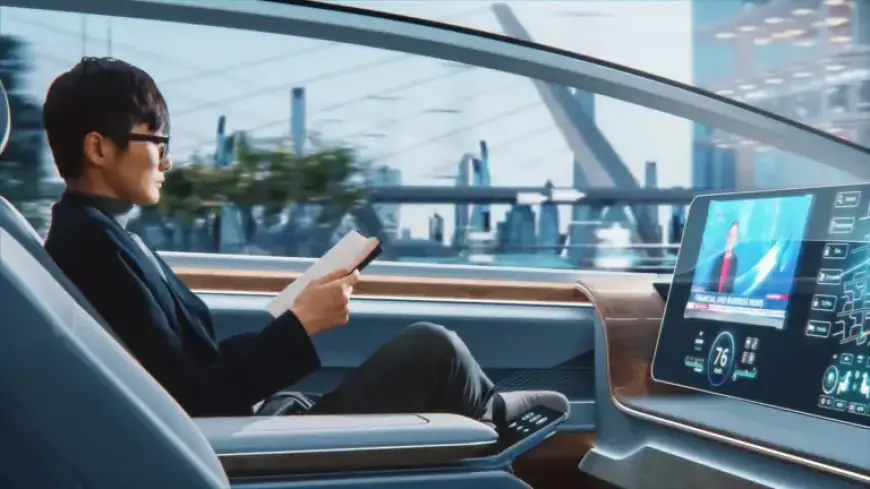
Tesla’s ambitious plans for its robotaxi fleet have investors questioning the balance between reality and hype. Elon Musk, the CEO of Tesla, has shifted the company’s focus primarily towards artificial intelligence, particularly the development of self-driving vehicles.
Robotaxi Fleet Updates: Key Details
Tesla launched its robotaxi services in select markets, including Austin, Texas, and San Francisco. Initially, these vehicles operated under specific geographical limitations, requiring human supervision either via a seat monitor or remote oversight. Despite this, Musk projects a rapid expansion of the fleet.
Growth Projections
- Musk claims there are over 500 robotaxis currently in operation in Austin and the Bay Area.
- He anticipates the fleet will double its size each month.
- By year-end, robotaxis could cover between 25% to 50% of the U.S., subject to regulatory approval.
Challenges Ahead for Tesla’s Robotaxis
While Musk is an innovative leader, he is often associated with high-stakes promises. In 2019, he forecasted that 1 million robotaxis would be operational in the U.S. by 2020, a target that remains unmet. This raises concerns for investors trying to differentiate between feasible developments and unrealistic ambitions.
Safety and Regulation Concerns
Recent reports indicate challenges, including safety issues related to accident rates in Tesla’s robotaxi fleet. Musk recently acknowledged that the production pace for new robotaxi models and the Optimus humanoid robot would be “agonizingly slow.” Additionally, Tesla does not expect to start production of specialized cybercabs—two-seat vehicles without steering wheels—until April.
Risk vs. Reward in Investment
Tesla is heavily investing in AI technologies, which includes expanding its robotaxi fleet and developing humanoid robots. The company has doubled its capital expenditures compared to last year to support this high-risk growth vision. Some analysts predict that Tesla may not generate free cash flow until 2026 or 2027.
Market Valuation Insights
Currently, Tesla trades at over 200 times its expected future earnings. This valuation seems to reflect a significant expectation of success from the robotaxi initiative. However, investors must assess whether the market is accurately pricing this potential or if current stock values could face severe corrections if Tesla’s robotaxi plans falter.
In closing, the developments surrounding Tesla’s robotaxi fleet present an intriguing investment opportunity. Still, cautious investors should weigh the potential risks against the expected rewards as Tesla navigates a path filled with challenges and regulatory scrutiny.