
























House GOP Enforces Voter Proof-of-Citizenship Rule: NPR

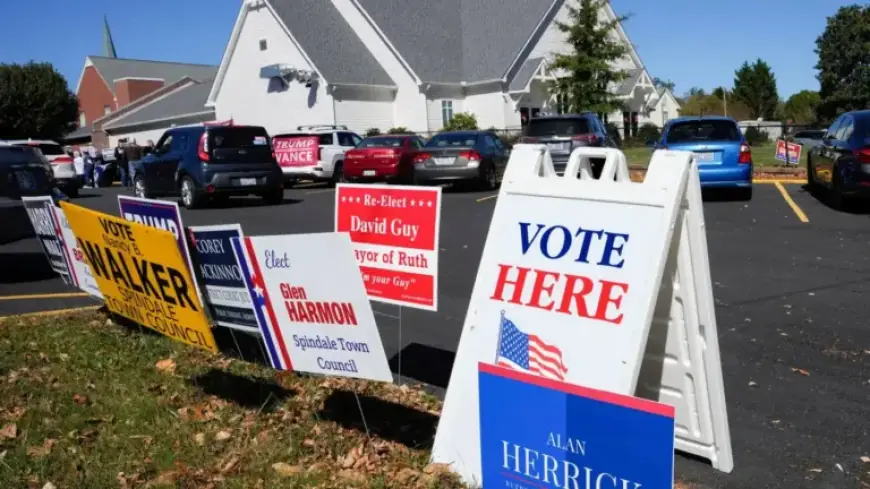
House Republicans have moved swiftly to enact new legislation requiring proof of citizenship for voters, a measure that has sparked substantial debate. The proposed law, known as the Safeguard American Voter Eligibility (SAVE America Act), mandates that Americans must provide documentation, such as a valid U.S. passport or birth certificate, when registering to vote. Additionally, individuals will need a valid photo ID to cast their ballots, a requirement already in place in several states.
Key Provisions of the SAVE America Act
- Proof of citizenship required for voter registration.
- Valid photo identification mandatory for voting.
- Creation of a process for individuals with name changes to verify their identities.
- States must share voter information with the Department of Homeland Security to confirm citizenship.
The legislation passed in the House with a narrow margin of 218-213, predominantly along party lines. Supporters argue it is necessary to curb voter fraud, citing a perceived need to enforce existing laws. However, opponents warn that this law could disenfranchise millions, making it more arduous for many Americans to have their voices heard.
Concerns Over Voter Disenfranchisement
Democrats have criticized the bill as a form of voter suppression, akin to “Jim Crow 2.0.” They point out that fewer than one in ten Americans lack proof of citizenship. Furthermore, experts agree that instances of voter fraud are exceptionally rare. During congressional discussions, Representative Jim McGovern of Massachusetts expressed that the legislation is designed to reduce voter participation.
Challenges Ahead in the Senate
As the bill moves to the Senate, its future remains uncertain. The Republican majority faces hurdles including the requirement of 60 votes to bypass the filibuster. Some members of the GOP, led by Senator Mike Lee of Utah, are advocating for a change in the rule to allow for a simpler passage.
Critics, including Senator Lisa Murkowski of Alaska, caution that the timing is inconvenient. With primary elections approaching, implementing such significant changes could disrupt preparations. Murkowski emphasized the need for states to maintain control over their election processes.
Election Officials’ Reactions
State election officials and nonpartisan organizations have voiced concerns about the added burdens this legislative change would impose. Karen Brinson Bell of Advance Elections highlighted the increased responsibilities for election officials without corresponding funding or resources.
The SAVE America Act, a repeat effort following a stalled bill from the previous year, intensifies requirements and raises alarms about privacy issues. With the midterm elections on the horizon, the ramifications of this legislation could be profound, affecting millions of voters across the country.