























‘Wuthering Heights’ and the Rise of the Toxic Boyfriend Archetype

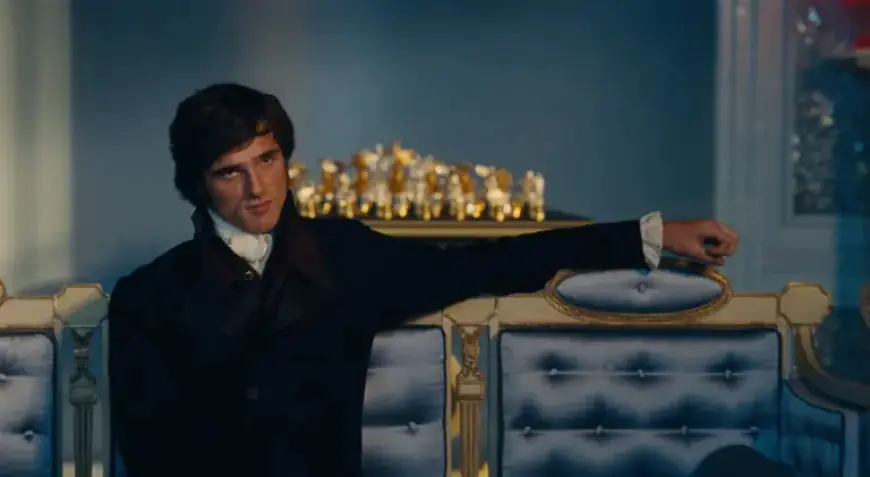
“Wuthering Heights” has become a symbol of the toxic boyfriend archetype in literature and film. This iconic novel, written by Emily Brontë in the 19th century, has influenced countless adaptations and interpretations. Its central character, Heathcliff, embodies traits often associated with toxic relationships.
The Rise of the Toxic Boyfriend Archetype
The portrayal of male characters like Heathcliff has led to a rise in the “toxic boyfriend” trope within popular culture. This figure often represents obsessive love and emotional manipulation. Heathcliff’s intense passion and vindictiveness have sparked ongoing discussions about romantic relationships.
Modern Adaptations and Their Impact
Recent adaptations of “Wuthering Heights,” including a notable version featuring Margot Robbie, have reignited interest in this theme. Critics have pointed out that such adaptations sometimes dilute the complexity of the original narrative.
- Heathcliff’s character is often romanticized, despite his abusive behavior.
- Recent films fail to capture the depth of Brontë’s work.
- The portrayal of toxic relationships continues to provoke strong reactions from audiences.
Emerald Fennell, a contemporary filmmaker, has put her own spin on “Wuthering Heights.” She challenges viewers to explore the darker aspects of romance. Critics have reacted strongly to her portrayal of intense emotions, with some labeling it as excessive.
Reviews and Cultural Reflection
Reviews of modern adaptations reveal a divide. While some praise the bold interpretations, others express disappointment in the shallow treatment of complex themes. Critics highlight the balance between honoring the original material and presenting a fresh take.
As the toxic boyfriend archetype continues to evolve, it raises important questions about love and obsession in contemporary society. The dialogue around “Wuthering Heights” serves as a lens to examine these dynamics.
Ultimately, the legacy of Emily Brontë’s work remains significant. “Wuthering Heights” not only entertains but also invites critical reflection on the nature of love and relationships.