





















Ukrainian Olympian Disqualified for War Dead Images on Helmet

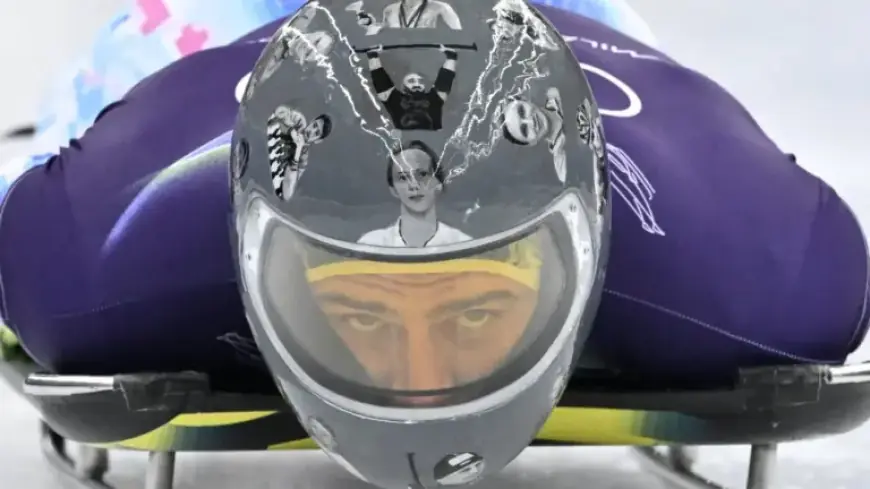
Vladyslav Heraskevych, a Ukrainian skeleton racer, faced disqualification from the Milan Cortina 2026 Winter Olympic Games. His helmet, which bore the faces of Ukrainian athletes killed in the ongoing conflict with Russia, violated the International Olympic Committee’s (IOC) guidelines on political expression. This ruling has sparked significant controversy and debate.
Background of the Disqualification
On February 12, 2026, the IOC officially announced that Heraskevych would not be permitted to compete in the skeleton events at the Games. This decision was made after he declined to remove his memorial helmet, which he believed rightfully honored the memory of fallen athletes.
Heraskevych’s Reaction
Following the IOC’s decision, Heraskevych expressed his feelings of emptiness and disappointment. He conveyed that he felt it was important to honor his countrymen at the Olympic stage. His performance in training suggested he was a strong contender for a medal.
- Heraskevych: “I believe they deserve this moment.”
- He finished fourth in the previous year’s world championships.
- His disqualification occurred after he refused a compromise to wear a black armband instead of the helmet.
IOC’s Statement and Official Stance
The IOC emphasized that athletes should express their views but not during competitions. President Kirsty Coventry acknowledged the mixed feelings surrounding the ruling. Coventry stated her appreciation for Heraskevych’s willingness to discuss the matter personally, underlining the emotional weight of the situation.
Support for Heraskevych
Heraskevych has received backing from prominent figures, including Ukrainian President Volodymyr Zelenskyy. He argued that allowing political statements in one form and not another created inconsistencies in IOC’s regulations.
Impact of the Conflict
The broader context of this issue relates to the ongoing war in Ukraine. The conflict has led to extensive devastation and suffering, with many Ukrainian citizens enduring hardships due to power outages and lack of resources. In contrast, Russian athletes face substantial restrictions at the Olympics, with only a limited number competing as independents.
As the Winter Olympics continue, the dichotomy between Olympic ideals and geopolitical realities becomes increasingly apparent, raising questions about the role and responsibility of sports in times of war.