























Jessica Alba’s Super Bowl Moment and the Alix Earle Question: Why One Halftime Cameo Set Off a Bigger Cultural Debate

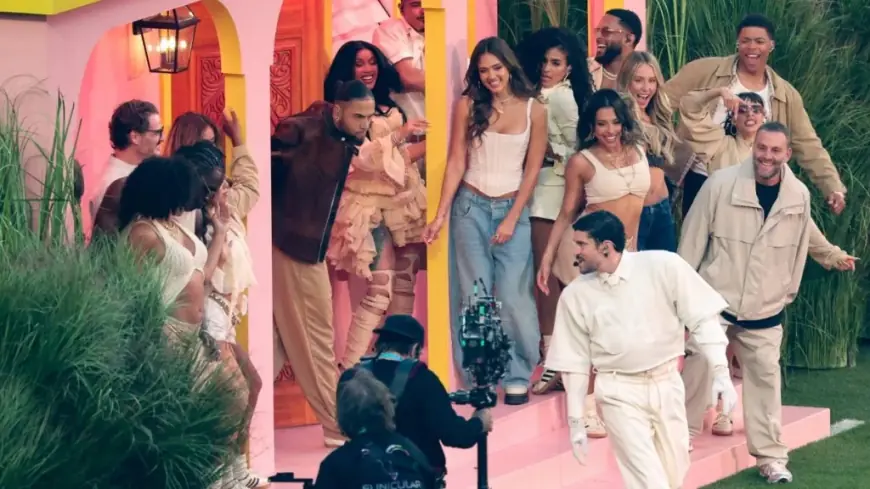
Jessica Alba became an unexpected talking point of Super Bowl weekend after making a surprise cameo during the halftime show on Sunday, February 8, 2026, alongside global music star Bad Bunny. The appearance, brief but heavily noticed, quickly turned into more than a celebrity sighting: it intersected with a broader online argument about who gets to share the biggest stage in American pop culture and why.
At the same time, the halftime lineup reignited a separate, fast-spreading question: is Alix Earle Puerto Rican. The short answer is no. Earle is an American creator from New Jersey, with publicly described family roots that include Italian heritage on her mother’s side, not Puerto Rican ancestry. The fact that the question is being asked at scale says as much about how the halftime show was framed as it does about Earle herself.
What happened: Jessica Alba at the Super Bowl halftime show
Alba’s cameo was styled and staged to read as intentional, not accidental: a sharp visual, a controlled moment, and enough screen time to be remembered without distracting from the headliner. The effect was immediate. Within hours, the conversation moved from “who appeared” to “why these specific people,” and then to a broader debate about representation, cultural symbolism, and celebrity access.
Alba leaned into the moment publicly afterward, praising the performance and the cultural pride it projected. That emphasis mattered because the halftime show was widely discussed as a celebration of Puerto Rican identity and Spanish-language performance on a platform that still carries mainstream gatekeeping pressures.
Behind the headline: why halftime cameos create outsized reactions
Halftime cameos work because they compress status into seconds. For the celebrities involved, the incentive is clear: a global audience, instant relevance, and a brand-safe association with a spectacle that feels bigger than any single film release or press tour.
For the producers and the headlining artist, the incentive is different: cameos widen the tent, keep casual viewers engaged, and create social chatter that extends the performance’s lifespan beyond the broadcast. But that same tactic can backfire when the show is framed around cultural authenticity. Viewers begin to scrutinize each face as a statement, not just a guest.
That’s why Alba’s presence landed smoothly for many. She’s a recognizable actor with long-standing mainstream visibility, and her public reaction emphasized respect for the performance rather than trying to recenter attention on herself. In a moment charged with cultural meaning, that posture can reduce friction.
Is Alix Earle Puerto Rican: why the question spread anyway
Earle is not Puerto Rican. The confusion appears to be driven by proximity rather than biography: she was visible during a halftime show associated in the public mind with Puerto Rican culture, and visibility tends to produce assumptions, especially when viewers don’t already know someone’s background.
This is a common second-order effect of mass events. When a performance is positioned as a cultural milestone, the audience begins sorting everyone on screen into “inside” and “outside,” often using guesswork. That sorting is amplified when online discourse is already primed to argue about representation, gatekeeping, and who is being invited into the spotlight.
The practical reality is simpler: celebrity cameos often reflect networks, brand relationships, and event logistics more than heritage. A guest appearance can be about access, timing, and publicity alignment, not identity.
Stakeholders and pressure points: who gains, who loses, who has leverage
Several groups have real stakes in how this story hardens into narrative:
-
The headlining artist and creative team, who must balance cultural specificity with mass appeal without letting the show be reduced to a cameo roll call.
-
Celebrities like Alba, who benefit from the exposure but risk backlash if the moment is perceived as opportunistic or tone-deaf.
-
Creators like Earle, who can see short-term attention but also become a lightning rod for debates they didn’t design.
-
Fans and cultural commentators, who want authenticity protected and are quick to challenge anything that reads as dilution or tokenism.
The leverage point is audience perception. Once the internet decides a cameo is symbolic, it becomes difficult to reframe it as “just entertainment,” even if that’s how it was planned.
What we still don’t know
A few key pieces remain unclear and will shape how long this stays in the news cycle:
-
Whether the halftime production will address cameo selection directly or let the work speak for itself.
-
Whether additional behind-the-scenes context will emerge that clarifies how the guest list was assembled.
-
Whether the conversation cools down or escalates into a longer debate about how major cultural showcases curate celebrity participation.
What happens next: realistic scenarios and triggers
-
The story fades quickly if the next major sports and entertainment events pull attention away and no new details emerge.
-
The story extends if any cameo participant becomes the subject of a separate controversy, creating a “weekend narrative” instead of a single-night moment.
-
The story shifts into a broader industry conversation if other major events copy the same cameo strategy and trigger similar backlash.
-
The story refocuses on the music if the performance leads to measurable chart movement and the cameo discourse loses oxygen.
Why it matters
Jessica Alba’s Super Bowl cameo is a reminder that the halftime show has become a cultural referendum as much as an entertainment slot. In that environment, every guest becomes part of the message, whether they intended to be or not.
And the “is Alix Earle Puerto Rican” question is a case study in how quickly identity assumptions can spread when people are introduced through spectacle instead of context. The takeaway is not that cameo culture is broken. It’s that, in 2026, visibility is never neutral, especially when the stage is big enough to feel like history.