























Trump Bolsters Beijing with Anxious Asian Allies

The recent geopolitical landscape suggests a significant shift in world diplomacy, particularly regarding the United States and its relationships with Asian allies. Canadian Prime Minister Mark Carney has warned of a potential “rupture in the world order,” emphasizing the decline of a rules-based international framework. This situation has led several Western nations to consider China as an alternative partner.
Western Leaders Engaging with China
Following Carney’s statements at the Davos conference, UK Prime Minister Keir Starmer visited Beijing, marking a thaw in relations after almost a decade of diplomatic tension. This trip resulted in several pivotal economic and diplomatic agreements.
Additionally, French President Emmanuel Macron traveled to China in December, where both countries committed to enhancing global economic governance, aiming for greater fairness and equity.
Trump’s Reaction to Allies’ Engagement with China
In response to these developments, President Donald Trump expressed concern, warning that aligning with China could be dangerous for Canada and other allies. He has criticized nations that consider shifting their partnerships amidst changing global dynamics.
Anxiety Among Asian Allies
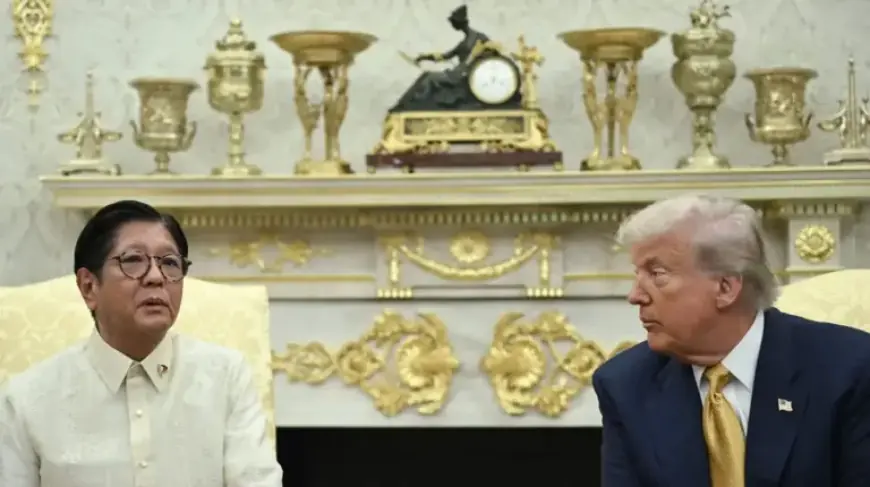
While European countries and Canada contemplate building ties with China, frontline Asian nations such as the Philippines and Taiwan view China as a significant national security threat. Experts in the Philippines fear that China might escalate its militarization of disputed territories, particularly the Scarborough Shoal.
- Location: Scarborough Shoal, approximately 100 nautical miles from the Philippine naval base at Subic Bay.
- Concern: Potential Chinese dual-use structures in contested maritime regions.
For these Asian partners, the reliance on the United States for security raises questions about the robustness of American military commitments, particularly under Trump’s leadership. After initially supporting Trump, regional leaders now grapple with uncertainty regarding his foreign policy strategies.
Military Dynamics and Potential Consequences
China’s military posture, shaped by recent US actions, has become increasingly aggressive. Historical analyses suggest that authoritarian regimes, such as China’s, often respond to external pressures by consolidating military strategies.
As debates within China about foreign policy intensify, especially after internal purges within the People’s Liberation Army, the implications for frontline allies are daunting. The United States’ focus appears to be shifting towards encouraging self-reliance among its allies, which could further complicate regional security arrangements.
Political Sentiments in the Philippines and Taiwan
In the Philippines, pro-China sentiments are growing, with influential political figures advocating for stronger ties with Beijing. Meanwhile, in Taiwan, the opposition party has also sought to redefine its relationship with China, complicating the regional political landscape.
This evolving dynamic indicates that Trump’s approach to foreign policy may inadvertently boost hardline factions in both China and its neighboring nations, raising concerns about regional stability.
Conclusion: A New Era in Diplomacy
The interactions between Western leaders and China, paired with the anxieties of frontline Asian allies, signal a critical juncture in global politics. As nations reevaluate their alliances and strategies in response to American policy shifts, the potential for a new world order looms large.