


















Oregon’s Snowpack Unlikely to Recover, Scientists Predict Record Lows

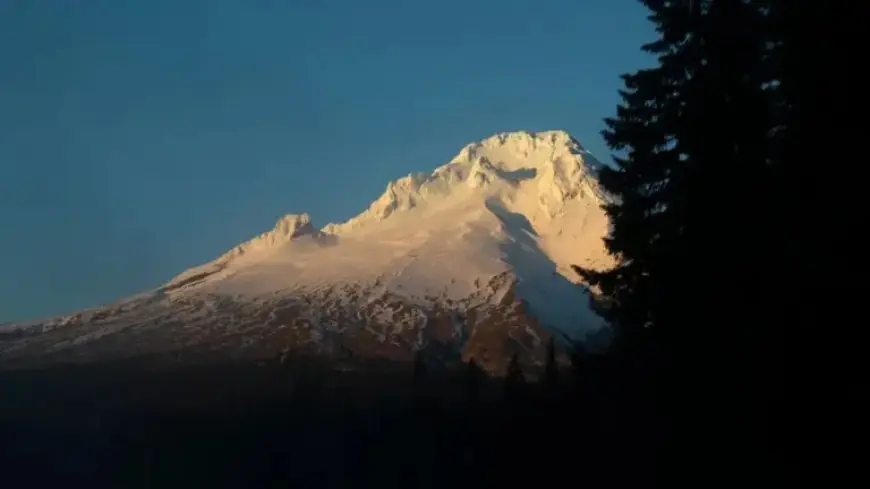
Oregon is currently facing an unprecedented snow drought this winter. If conditions persist, the state could face severe challenges in various sectors, including agriculture, wildlife, and water resources. A combination of warm and dry weather has led to record-low snowpack levels across much of the Pacific Northwest.
Oregon’s Record Low Snowpack
The snowpack in Oregon, as of early February 2026, is at an alarming 2.9 inches. This measurement represents the lowest snowpack ever recorded for this time of year and is approximately 30% lower than the previous low in 2015. The situation is dire, especially since January is typically crucial for snow accumulation in the region.
Comparison with Neighboring States
Washington and Idaho are experiencing better snow conditions compared to Oregon. While both states have also faced warmer winter temperatures, they have received some precipitation, which has slightly improved their snowpack levels. In contrast, Oregon remains in a mid-winter dry spell.
Impact on Water Resources and Wildlife
According to Larry O’Neill, Oregon’s state climatologist, the likelihood of recovery in snowpack levels is low. He emphasizes that historical patterns suggest that significant snowfall is unlikely as the snow season approaches its typical ending around April 1.
This low snowpack is expected to have serious repercussions. In 2015, the last time the state faced such low levels, 25 of Oregon’s 36 counties declared states of emergency due to drought. This led to widespread shortages in water for irrigation, prompting significant concerns among farmers and ranchers.
Experts Weigh In
- Josh Bailey, manager of the North Unit Irrigation District, expressed cautious optimism about potential snowfall in the coming weeks.
- However, he noted that farmers have not received full water allotments since 2018, highlighting ongoing drought challenges.
- The Wickiup Reservoir, a key water source, is currently 83% full, but this situation could change quickly if snowfall remains minimal.
Future Projections
Due to low snowpack levels, the upcoming wildfire season may be prolonged. Karin Bumbaco, a climatologist from Washington, noted that low snowpack typically leads to earlier snowmelt, increasing the risk of wildfires as drier conditions set in.
The correlation between climate change and these severe weather patterns cannot be ignored. While not all adverse weather can be attributed to climate change, trends indicate that winters with low snowfall could become more frequent in the coming years.
As the situation develops, both farmers and local authorities are urged to prepare for potentially challenging environmental conditions ahead.