























Severe Erosion Dramatically Transforms Iceland’s Reynisfjara Beach

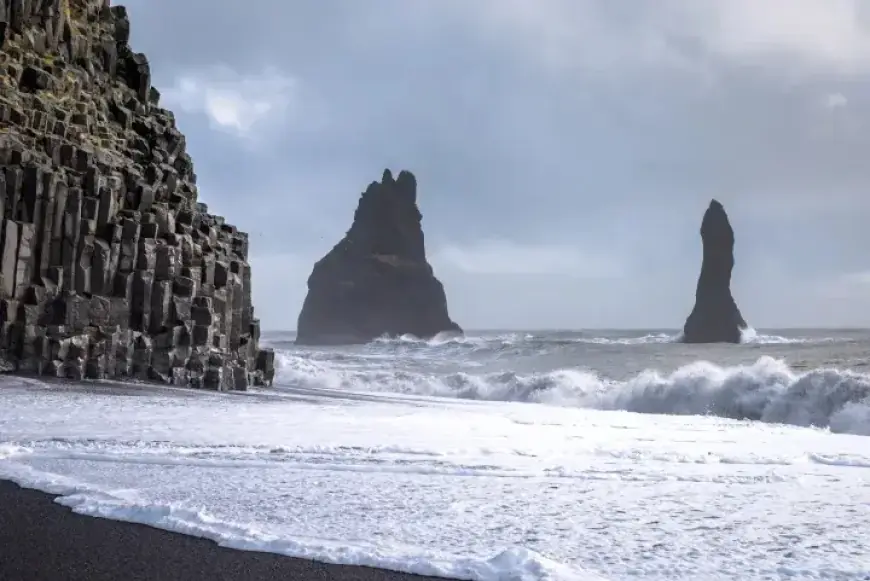
Reynisfjara Beach, located on Iceland’s southern coast, has recently undergone significant changes due to erosion. While it has not entirely vanished, the beach’s shoreline has shifted, presenting steeper and narrower sections than in the past.
Key Facts About Reynisfjara Beach Erosion
- Location: Reynisfjara Beach, Iceland
- Current Status: Accessible to visitors
- Cause of Erosion: Unusual easterly winds combined with strong wave activity
- Sea Level Effects: Erosion is not attributed to rising sea levels
- Notable Features: Basalt columns and sea stacks remain intact
- Visitor Warning: Dangerous waves present; caution advised
Visitor Access and Safety
Despite the ongoing erosion, Reynisfjara Beach remains open to tourists. However, officials advise all visitors to adhere to safety signage and be cautious near the water’s edge. The beach is famous for its powerful and unpredictable waves, which can pose risks.
Future of Reynisfjara’s Sand
Long-term beach restoration depends on wind patterns. If they shift back to the prevailing south-westerlies, there is a possibility that sand could gradually redeposit along the beach.
Conclusion
The evolution of Reynisfjara Beach, shaped by natural forces, highlights the need for awareness and safety among visitors. As coastal conditions continue to change, the site’s unique landscape of basalt columns and sea stacks remains a lasting draw for nature enthusiasts.