





















Republican Congress Members Challenge Trump’s Tariffs on Canada

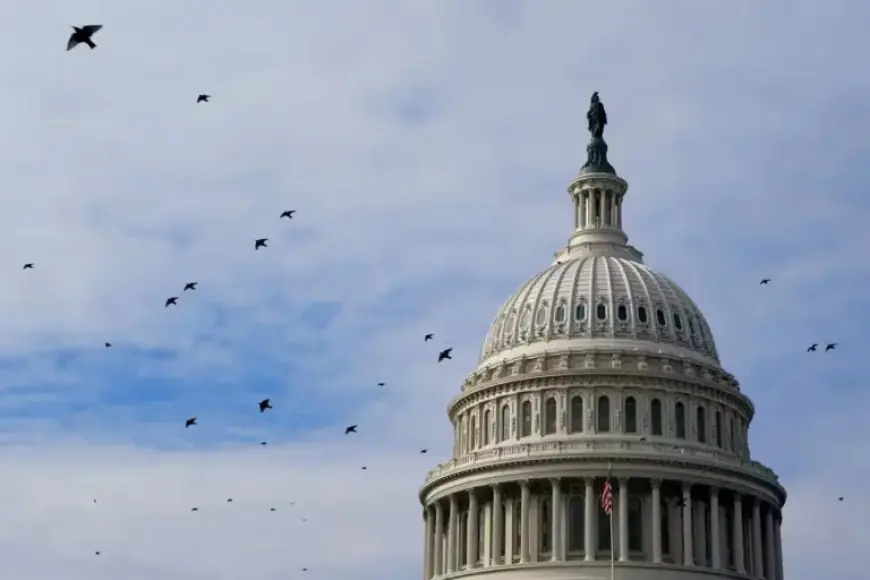
On February 11, 2026, several Republican lawmakers in the U.S. House of Representatives defied former President Donald Trump by voting to repeal tariffs on Canadian goods. This vote represents a notable setback for Trump, who warned dissenting members of potential repercussions during the elections.
Background on the Tariffs
The proposed repeal now requires approval from the Senate, but even if it passes, Trump is expected to veto it. The tariffs, which have been a cornerstone of Trump’s economic policy, may only be overridden by a two-thirds majority vote in Congress—a challenging feat given the current Republican majority.
Political Implications
Trump expressed his disappointment on his social media platform, highlighting that the tariffs provide economic and national security. He stated, “No Republican should be responsible for destroying this privilege.” His warnings included threats of fallout for those who opposed him in upcoming primaries.
- Six Republican representatives joined Democrats to vote for the repeal.
- This vote follows the expiration of a measure that had previously prohibited such a move.
- The House Republican leader, Mike Johnson, attempted to extend this measure but was unsuccessful.
Division Within the Party
Many Republican members, particularly free-trade proponents, publicly oppose Trump’s protectionist policies. They emphasize that Congress, not the president, holds the constitutional authority to impose tariffs. Republican Representative Don Bacon from Nebraska reinforced this point, stating, “We cannot and must not outsource our responsibilities.” He also described tariffs as a tax on American consumers.
Impact of Tariffs on Canada
Since Trump’s return to office in January 2025, Canada has faced significant tariff increases. In 2025, he imposed a 35% tariff on various Canadian imports but later adjusted rates for energy products and provided exemptions under the USMCA trade agreement. As a result, over 85% of trade between the U.S. and Canada remains tariff-free.
The recent congressional vote signals a growing rift in the Republican Party regarding trade policy and reflects dissent against Trump’s approach to tariffs. As these developments unfold, the implications for U.S.-Canada relations and domestic politics will be closely watched.