

























Low Earners Face $200 Increase with New Power Bill Change

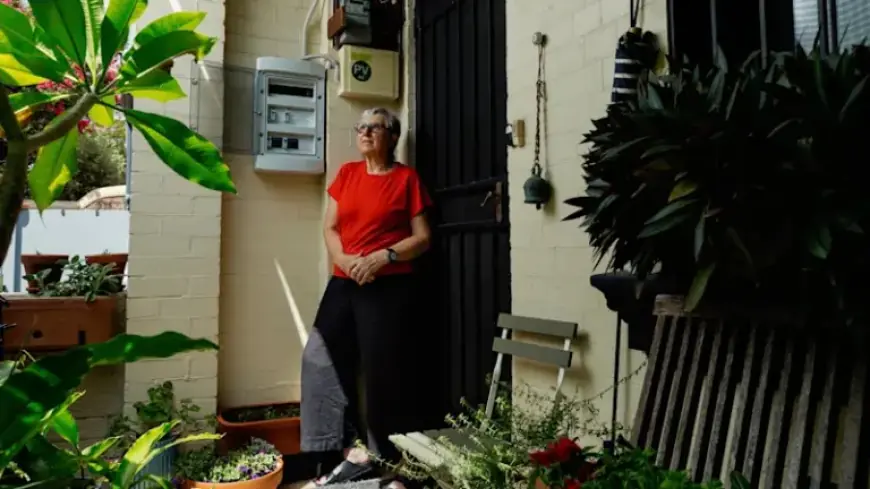
The Australian Energy Market Commission (AEMC) has proposed significant changes to electricity pricing that could negatively impact low-income households and users of renewable energy. The new structure could lead to an annual increase of $200 for low earners and up to $700 for those who have invested in solar and battery systems. Conversely, high-energy users may see benefits to the tune of $1,400.
Proposed Changes to Power Bills
The AEMC’s recommendation involves shifting from variable rates that depend on energy consumption to a fixed daily connection charge. Network costs make up nearly 50% of average household electricity bills. The current variable rate structure generally benefits those who use more power, while it penalizes households that consume less.
Impact on Various Households
- Low-income households are predicted to face annual increases of $100 to $200.
- Households with solar panels and batteries could see bills rise by $400 to $700.
- High-energy users could benefit significantly, saving as much as $1,400 annually.
According to Tristan Edis from Green Energy Markets, the proposed fixed charges would lead to dramatic cost disparities. He noted that low-energy consumers, including retirees and pensioners, would be unfairly impacted.
Feedback and Consultation
The AEMC is currently welcoming public feedback on its proposal, available until February 13, 2026. Energy Minister Chris Bowen has emphasized the importance of ensuring that any changes lead to reduced bills for consumers. The minister encouraged public participation in the consultation process to refine the proposal for the best outcomes.
The Risks of the Proposal
Critics, including the Solar Integrity community group and advocates for renewable energy, warn that the switch to fixed charges could diminish the incentive for households to invest in solar technologies. Heidi Lee Douglas, CEO of Solar Citizens, stressed that this change would primarily affect energy-efficient households and those trying to minimize their energy costs.
The AEMC asserts that the proposed changes aim to align electricity costs with changing energy usage patterns, ultimately promoting a fair distribution of costs among consumers.
As the energy landscape shifts, it remains crucial to consider how modifications to pricing can impact various consumers, especially those in vulnerable positions.