






















Varsity Blues back in the spotlight after James Van Der Beek’s death

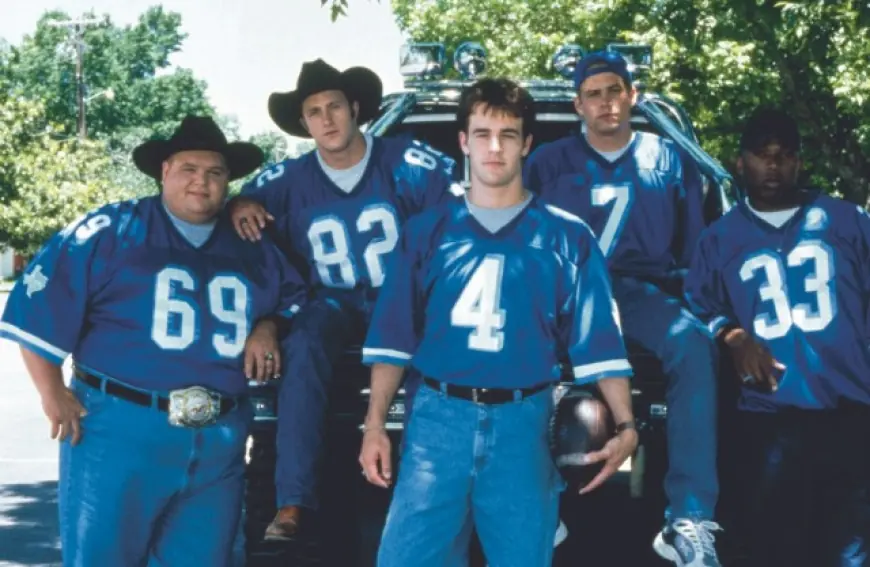
“Varsity Blues” re-entered the cultural conversation on Wednesday, Feb. 11, 2026, after actor James Van Der Beek died at 48, renewing attention around the 1999 football drama and its long afterlife as a quotable sports-movie staple. The moment also revived confusion around the phrase “Varsity Blues,” which in recent years has been closely associated with the college admissions cheating scandal that broke in 2019.
The overlap in names is accidental—but the timing has put both stories back on people’s screens at once.
Why the name is trending again
The actor’s death pushed the film back into search and streaming queues, while the admissions case continues to surface through appeals, resentencings, and court orders tied to the scheme’s central figures.
Key takeaways
-
The 1999 film is seeing renewed attention following Van Der Beek’s death on Feb. 11, 2026.
-
“Varsity Blues” is also shorthand for the 2019 college admissions case, which remains active in courts through appeals and related proceedings.
-
The shared name is driving mixed searches, with entertainment and legal headlines colliding.
The film’s legacy and Van Der Beek’s role
Released in 1999, “Varsity Blues” became an enduring portrait of high school football culture—equal parts coming-of-age story and critique of win-at-all-costs pressure. Van Der Beek played the quarterback thrust into leadership while navigating an overbearing system, a role that helped cement his late-1990s star status.
Over the years, the movie’s lines and set pieces turned into pop-culture shorthand, referenced far beyond sports fans. Its staying power has made it one of the most recognizable football films of its era, and Van Der Beek’s death has prompted a wave of reassessment of his career beyond his most famous TV work.
The other “Varsity Blues”: the admissions scandal
Separately, “Operation Varsity Blues” was the name of the federal investigation into a bribery-and-fraud scheme used to boost college admissions outcomes for wealthy families. The case centered on a consultant who arranged test-cheating and fake athletic recruiting profiles, moving money through intermediaries and, in some instances, bribing coaches and administrators.
Many defendants pleaded guilty in the years after 2019, while a smaller set fought charges at trial. Even as the main burst of headlines has faded, the legal system’s timeline has kept the case alive through appeals, sentencing disputes, and related litigation that can stretch across multiple years.
Recent court developments keep the scandal alive
In 2025, a federal appeals court reinstated a bribery conviction for a former college coach tied to the scheme, a significant procedural turn that put the case back on track for sentencing after a lower-court decision had thrown out the jury verdict and ordered a new trial. That reinstatement underscored how the scandal is still producing legal consequences well after most of the original defendants resolved their cases.
Another notable development in 2025 involved court-ordered disclosures: the consultant at the center of the scheme was told he could continue advising prospective students only if he clearly disclosed his criminal history to new clients. The order reflected a broader judicial effort to limit the risk of repeat conduct, while still acknowledging that post-release employment can be part of reintegration.
How to read the moment: culture vs. accountability
What’s striking about the current “Varsity Blues” spike is how two very different storylines—one about a late-1990s film, the other about elite admissions corruption—keep colliding in public attention.
For the film, the renewed focus is largely about nostalgia, performance, and how sports stories were told at the time. For the admissions case, the attention is about deterrence and follow-through: whether the remaining trials, resentencings, and appellate rulings reinforce the message that influence-buying has real consequences.
This split matters because it shapes what people expect next. Entertainment-driven interest tends to peak quickly, then settle into a longer tail of rewatching and retrospectives. Legal interest tends to flare when there’s a discrete court event—an appeals decision, a sentencing date, or a new order—and then fade again until the next milestone.
What comes next
In the near term, the film side of the story will likely continue through tributes, cast reflections, and renewed viewing, especially as fans revisit Van Der Beek’s performances.
On the legal side, the most concrete next steps are tied to calendars: when reinstated convictions move back toward sentencing, and whether any additional appeals reach decisions in 2026. If more rulings land this year, the “Varsity Blues” label will keep resurfacing—often alongside the movie—simply because the name has become a shorthand hook for both.
Sources consulted: Reuters, ABC News, Deadline, Entertainment Weekly