























James Van Der Beek Dies at 48 After Colorectal Cancer Battle, Reviving Urgent Questions About Screening and Misinformation

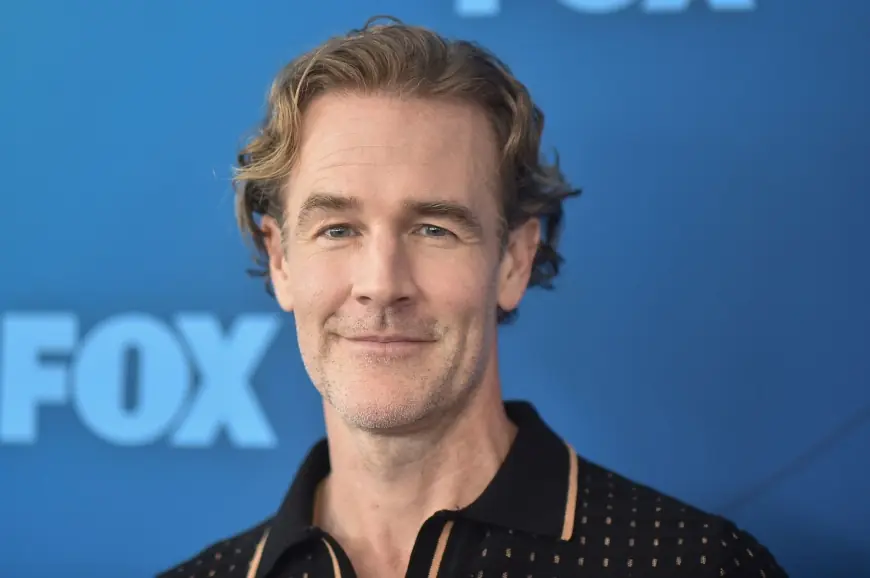
James Van Der Beek, the actor best known for playing Dawson Leery on Dawson’s Creek and for his role in Varsity Blues, has died at age 48 following a battle with colorectal cancer. The death was confirmed in statements shared by his family on Wednesday, February 11, 2026, ET. He is survived by his wife, Kimberly, and their six children.
The news lands in the middle of a broader public health shift: colorectal cancer is increasingly discussed as a disease that can strike earlier than many people expect. It also arrives amid a familiar online cycle where celebrity illness searches quickly blend verified facts with rumor, including false or premature claims about “cause of death” long before any confirmation.
What happened and what is confirmed so far
Van Der Beek had publicly disclosed that he was living with stage 3 colorectal cancer, after initially keeping the diagnosis private. Following his death, the family described a peaceful passing and asked for privacy. Beyond the general description of cancer as the underlying illness, additional medical specifics have not been confirmed publicly.
That gap matters because it is exactly where misinformation tends to rush in. Searches that include phrases like “did he die,” “death cause,” or “how did he die” often spike immediately, and bad information can spread faster than careful updates.
Behind the headline: why this story resonates now
Van Der Beek’s career is deeply tied to late 1990s and early 2000s pop culture, which gives the news an unusually wide emotional footprint across age groups. For many fans, he is not just an actor but a marker of a time in life, which amplifies the shock and the volume of online attention.
There is also a powerful incentive structure at work. Public curiosity, social media algorithms, and search trends reward certainty and speed, while real-life medical details are often private, slow to confirm, and ethically sensitive. That mismatch creates a vacuum where sensational claims thrive.
At the same time, awareness advocates and health organizations have a different incentive: use the moment to push people toward evidence-based screening and symptom awareness without turning a tragedy into a marketing hook. The tension between those two impulses shapes how the story will evolve in the coming days.
Stakeholders: family privacy, fans, and the health message
The most immediate stakeholders are Van Der Beek’s wife and children, who now face a public grieving process they did not ask to conduct in front of millions. Colleagues and former castmates are also stakeholders, balancing genuine mourning with the reality that any public statement will be amplified and scrutinized.
A wider stakeholder group includes clinicians and public health communicators who may see a brief window where people are newly attentive to colorectal cancer risks, symptoms, and screening timelines. The challenge is to keep the message practical and accurate, especially for younger adults who may assume cancer is unlikely.
What we still don’t know and what to watch
Several key pieces remain unconfirmed publicly:
-
Whether there were complications beyond the cancer itself
-
The exact timeline of treatment changes and recent health status
-
Whether the family plans a public memorial or private services
-
Whether any foundation, awareness campaign, or charity effort will be established in his name
Until those details are clarified, it is worth treating viral claims skeptically, especially ones that cite unnamed insiders or promise exclusive information.
Colorectal cancer symptoms: awareness without alarm
Many people searching this story will also search symptoms. Common warning signs often discussed by clinicians include persistent changes in bowel habits, blood in stool, unexplained weight loss, ongoing abdominal discomfort, and unusual fatigue. These symptoms can have many causes, so the useful takeaway is not panic, but persistence: if something is new, ongoing, or worsening, a clinician visit is warranted.
What happens next: realistic scenarios and triggers
Here are the most likely next steps over the next week, each with clear triggers:
-
Family statement expands: If the family chooses, they may share a longer message, clarify timing, or offer guidance on how to honor his memory.
-
Public tributes grow: Former co-stars and collaborators may post remembrances, often timed around scheduled appearances or events.
-
Career retrospectives surge: Streaming and search interest typically lifts older projects, which can spark renewed interviews and behind-the-scenes stories.
-
Health-awareness push intensifies: Advocacy groups and clinicians may amplify screening information as public attention peaks.
-
Misinformation spikes then fades: False claims often rise in the first 48 hours and recede as confirmed reporting consolidates.
Why it matters
Van Der Beek’s death is a cultural loss, but it also underscores two practical realities: colorectal cancer can affect people earlier than the stereotype suggests, and the information ecosystem around celebrity health is prone to distortion at exactly the moment people are most emotionally engaged.
The near-term question is whether the public conversation becomes a responsible nudge toward health vigilance and compassion, or another example of tragedy being converted into rumor and engagement. The answer will depend on how carefully the next updates are handled, and how willing audiences are to wait for what is actually confirmed.