




















Blizzard Redesigns Overwatch Hero After Backlash

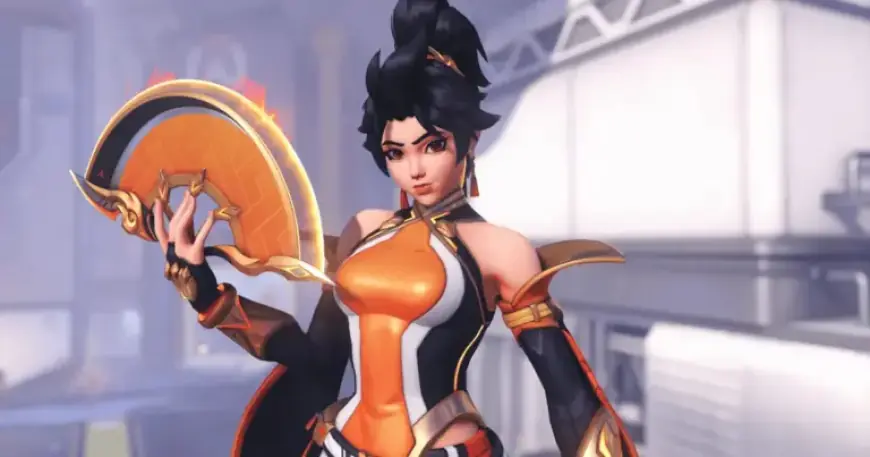
The gaming industry often faces swift reactions from fans, particularly regarding character design. Recently, Blizzard Entertainment released a statement addressing concerns over Anran, a new character in their popular title, Overwatch.
Character Introduction and Backlash
Anran made her debut on February 10, as part of the launch for Season 1: Conquest. This marked a significant transition for Overwatch, which has rebranded by eliminating the “2” from its title and initiating a soft reboot. Excitement surrounded Anran’s introduction, driven by appealing concept art, a promotional comic, and an animated short released by Blizzard in August of the previous year.
Design Criticisms
Despite the anticipation, Anran’s in-game design received backlash. Fans criticized what they described as “same face syndrome,” particularly regarding East Asian female characters in Overwatch. The final character model appeared similar to existing characters Kiriko and Juno, which disappointed many.
- Initial excitement over Anran’s concept art.
- Critisized for having a homogenous appearance.
- Similarities noted among Anran, Kiriko, and Juno.
The complaints extended to Fareeha Andersen, the voice actress for Anran, who voiced her disappointment about the character’s design variations on TikTok. Andersen expressed sorrow over the disparity between the anticipated design and the final look. She emphasized that promotional materials had set expectations for challenging existing beauty standards.
Response from Blizzard
In light of the feedback, Aaron Keller, Overwatch’s game director, released a video update addressing player concerns. Keller acknowledged that the design could evolve into something more representative of what fans expected. “We’re currently discussing what it’d take to make Anran look and feel more like the fierce older sister that we envisioned her to be,” he stated.
He confirmed that the development team is committed to enhancing her design during Season 1, noting the challenges associated with character modeling. “Our hero models are incredibly complicated, and we really need to test out what we can do,” Keller added.
Broader Context in Gaming Industry
This incident reflects a larger trend within the gaming community, where character design increasingly influences fan engagement. In further developments, it was revealed that Blizzard’s staff established a nearly 200-person union in May of the previous year, highlighting ongoing industry shifts.
As Overwatch continues to evolve, player input remains a key element in the development process, guiding character adaptations and game dynamics.