
























House Republicans Attempt to Block Time, Avoid Vote on Trump Tariffs

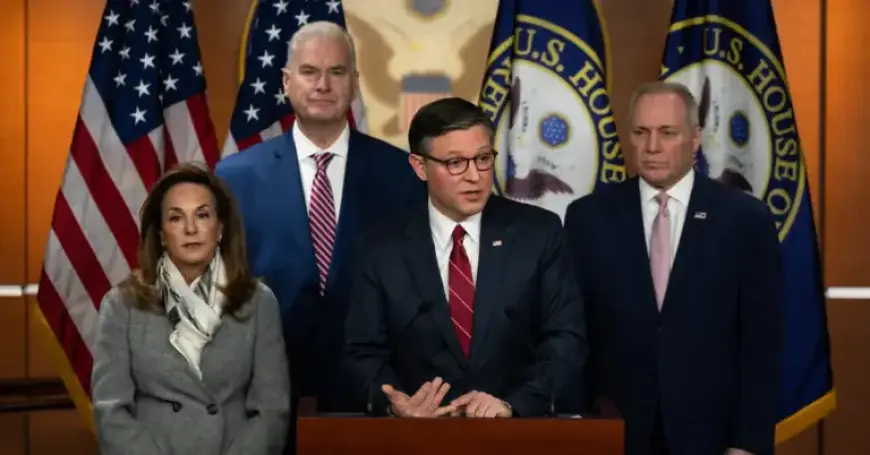
On Tuesday, House Republicans attempted to manipulate legislative procedures in a bid to avoid a politically challenging vote regarding President Trump’s tariffs. This maneuver marked the third instance in the current Congress where Republicans introduced language into a procedural measure aimed at nullifying the House’s power to address the tariff issue.
Manipulating Legislative Timing
The proposed measure would effectively redefine the length of a legislative “day.” By doing so, Republicans are looking to extend the timeline for legislative action concerning tariffs on Mexico, Canada, and Brazil until after July 31. Typically, the House is mandated to vote within 15 days on the authority under which President Trump imposed these tariffs.
Leadership and Internal Resistance
Speaker Mike Johnson initially indicated he would not revive the rule change but later agreed to limit its application period. Facing a slim majority, Johnson can ill afford defections within his party.
- Key Figures:
- Speaker Mike Johnson
- Representative Kevin Kiley (CA)
- Representative Don Bacon (NE)
- Representative Thomas Massie (KY)
- Legislative Dates:
- Previous block until January 31
- Current proposal extends to July 31
Kevin Kiley, a Republican from California, expressed his concerns about altering the definition of a legislative day. He emphasized the importance of maintaining congressional authority. While he did not indicate whether he would support a challenge to the tariffs, his skepticism mirrors sentiments from other party members.
Concerns over Tariffs
Don Bacon, who had previously objected to this tactic, altered his stance after negotiations led to a shortened blocking period. He voiced doubts about the tariffs’ impacts on American families through social media, reflecting a growing concern among some Republicans.
Representative Thomas Massie is also expected to object to the proposal. His opposition remains consistent with his previous stands against such legislative tactics.
The National Emergencies Act
Johnson’s effort is viewed as a procedural strategy to bypass the National Emergencies Act. This act permits both the House and Senate to revoke a presidential emergency declaration. The current legislative move seeks to declare the span from February 10 to July 31 as a single day. Consequently, any resolutions challenging the tariffs would remain unaddressed during this period, hindering legislative action.
The ongoing Republican strategy aims to maintain control over tariff discussions as internal party dynamics complicate their ability to present a united front.