




















Minions Figure Skating Debuts at Olympics: Approval Journey Explained

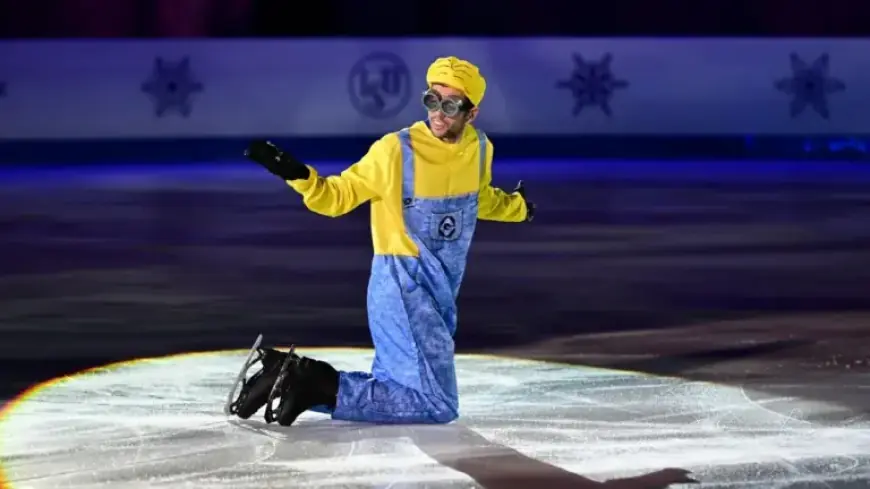
The 2026 Winter Olympics in Milano Cortina made headlines not just for athletic achievements, but also for unique performances that captured the audience’s attention. Among these was Spanish figure skater Tomàs-Llorenç Guarino Sabaté, who dazzled audiences with his Minions-themed Olympic program. However, this performance faced significant hurdles due to music copyright challenges.
Minions Figure Skating Program and Copyright Issues
Tomàs-Llorenç Guarino Sabaté’s program, inspired by the beloved Minions from the “Despicable Me” franchise, was nearly derailed when music licensing issues arose. As music with lyrics has been permitted in figure skating since 2014, skaters like Sabaté have had to navigate complex clearance negotiations.
- Sabaté planned to use tracks from the 2015 animated movie featuring the Minions.
- Music clearance was denied just over a week before his scheduled performance.
- Outrage from fans and fellow skaters mirrored the emotional weight of potentially losing this engaging performance.
The Turning Point
Fortunately, the swift intervention of ClicknClear founder Chantal Epps led to a breakthrough. Epps worked tirelessly with Universal Pictures to secure the necessary approvals.
- By February 3, two songs were cleared, while a third had been mistakenly logged as unavailable.
- The last song, “Freedom” by Pharrell Williams, took additional time due to its restrictions with Sony.
- Final confirmation was received on February 6, ensuring the Minions would indeed take to the ice.
Wider Implications for Figure Skating
This situation sheds light on the ongoing challenges surrounding music licensing in figure skating. Many skaters face difficulties when selecting music for their routines. The need for multiple licenses from different rights holders often complicates productions.
Feedback from performers underscores the prevalent anxiety regarding music choices:
- U.S. skater Ilia Malinin expressed concerns about the unpredictability of getting permission for unique music selections.
- Skaters like Amber Glenn noted the vital importance of ensuring all music is properly licensed before performance.
Innovative Solutions
To circumvent these issues, some skaters actively seek permission from artists. For instance, Malinin emphasizes direct communication with music creators, which often yields positive outcomes. Meanwhile, Alysa Liu maintains a supportive relationship with the artist of the song she performs, enhancing her connection to the program.
As the story of Sabaté showcases, navigating music clearance can be tumultuous but essential for a successful Olympic performance. Despite the obstacles, the spirit of creativity and resilience continues to shine through in figure skating.