

























ICC T20 World Cup and World Cup 2026: Pakistan cricket, PCB, and Sri Lanka in focus

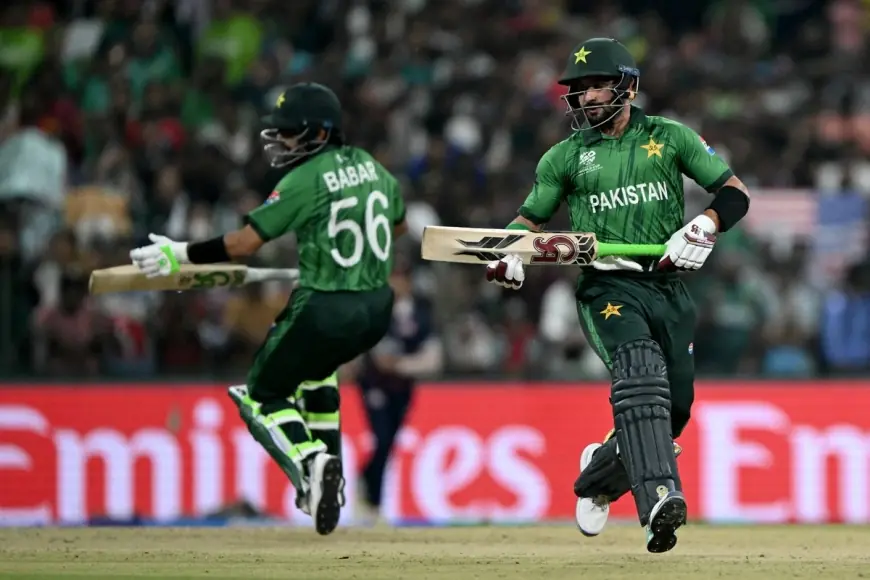
Two different “World Cup” storylines are colliding for fans this month: the ICC T20 World Cup is underway across India and Sri Lanka, while the World Cup 2026 in men’s soccer is moving from planning into ticketing and final logistics. In cricket, Pakistan cricket and the PCB are back at the center of the tournament after reversing a threatened boycott of the marquee India match, while Sri Lanka absorbed a major on-field blow with a key injury in its own campaign.
Pakistan cricket steps back from boycott
Pakistan’s participation in its group-stage clash against India is now back on after a short-lived boycott plan was dropped in the past 48 hours. The reversal matters beyond the standings: the India–Pakistan fixture is the tournament’s biggest commercial driver and one of the sport’s most watched matchups.
The deal that put the match back on track also reinforces a practical reality of this event: Pakistan’s games are being staged in Sri Lanka as part of arrangements designed to manage political and security sensitivities around travel and hosting.
For the PCB, the shift from boycott talk to a confirmed match creates a straightforward sporting challenge: keep the noise outside the dressing room and avoid turning a high-pressure fixture into a distraction that lingers for the rest of the group stage.
Sri Lanka hit by injuries early
Sri Lanka’s tournament, already under a bright spotlight as co-host, took a sharp hit on Tuesday, February 10, 2026 (ET), when Wanindu Hasaranga was ruled out for the rest of the competition with a hamstring injury. Losing a frontline spinner and proven T20 wicket-taker changes match plans immediately, particularly on pitches where slower bowling is central to Sri Lanka’s approach.
Sri Lanka has also had to manage additional fitness issues in its pace group, forcing squad changes at a stage when teams typically want stability. The short format leaves little room to “grow into” a tournament, so early injuries can have outsized consequences for qualification.
ICC T20 World Cup: what to watch next
With the group stage moving quickly, the tournament’s next major inflection points are:
-
Whether Pakistan’s top order can set manageable chases under pressure, especially in matches expected to draw intense attention.
-
How Sri Lanka reshapes its bowling balance without a primary strike spinner, and whether replacements can maintain control in the middle overs.
-
Which teams adapt fastest to split-venue conditions across India and Sri Lanka, where travel and turnaround can quietly affect performance.
The headline match on Sunday, February 15, 2026 (ET) will pull focus, but the broader table may be decided by the “smaller” games that follow—where fatigue, injuries, and discipline often show up more than raw talent.
World Cup 2026 in soccer: dates and momentum
While cricket plays out in February and March, World Cup 2026 in men’s soccer is now inside a well-defined runway. The tournament runs from June 11 to July 19, 2026 (ET), across the United States, Mexico, and Canada, with an expanded format and 104 matches.
Recent ticketing and host-city promotions show the event has moved beyond planning into execution mode. For fans, the practical takeaway is that multiple sales phases and sponsor-linked allocations are already shaping who gets access and when—well before the opening match.
Key dates to keep straight
| Event | Dates (ET) | What it means now |
|---|---|---|
| ICC T20 World Cup | Feb 7–Mar 8, 2026 | Group stage pressure rises quickly; injuries and travel matter |
| India vs Pakistan (T20 WC) | Feb 15, 2026 | Marquee fixture restored after boycott talk; huge stakes on and off field |
| World Cup 2026 (soccer) | Jun 11–Jul 19, 2026 | Ticketing and host-city operations ramping up months ahead |
The common thread: pressure meets logistics
Despite the different sports, the same forces are shaping both stories: the biggest events are as much about logistics, governance, and public scrutiny as they are about performance.
For the ICC T20 World Cup, the PCB’s pivot back to playing the India match keeps the tournament’s competitive and commercial engine intact, but it also puts Pakistan cricket under a microscope for the rest of the event. For Sri Lanka, the Hasaranga injury is a reminder that co-hosting doesn’t soften the sporting reality—depth wins tournaments as often as star power.
And for World Cup 2026, the most visible action is still months away, but the decisions that shape fan access, travel, and matchday experience are being made right now.
Sources consulted: Reuters; International Cricket Council; FIFA; The Guardian