























Donald Trump’s Approval Rating: Latest Poll Results Revealed

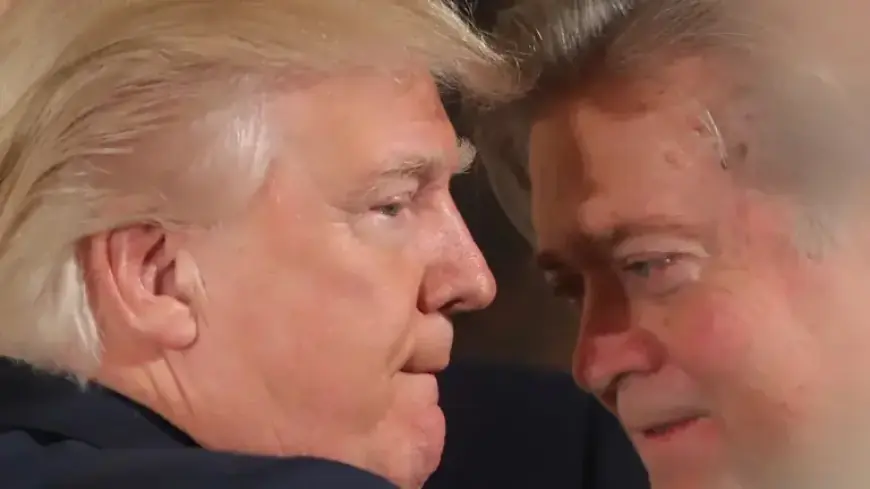
Donald Trump’s approval rating has remained relatively stable amid ongoing controversies, as recent polls reveal significant insights into public perception. The impact of recent events, including harsh criticism surrounding immigration enforcement and a controversial social media post, has influenced these ratings.
Current Approval Ratings for Donald Trump
As of the latest reports, Trump’s approval ratings vary across different polling organizations. Here is a summary of the recent statistics:
- Real Clear Politics: 42.3% approval, 54.9% disapproval (January 20 – February 8)
- Gallup: 36% approval
- Reuters/Ipsos: 38% favorable, 59% unfavorable (January 23 – 25)
- The New York Times: 41% approval, 55% disapproval (as of February 9)
- Associated Press/NORC: 40% approval, 59% disapproval
- The Economist: 41% favorable, 56% unfavorable (February 9)
- Rasmussen Reports: 42% approval, 57% disapproval (February 9)
- Morning Consult: 45% approval, 53% disapproval (updated February 2)
- American Research Group: 35% approval, 63% disapproval (January 21)
Comparison with Previous Terms and Presidents
Trump’s approval rating offers a glimpse into how he compares with previous presidents. His final approval rating when leaving office in 2021 was 34%, with an average of 41% during his first term. For context, here are ratings from other presidents:
| President | Final Approval Rating |
|---|---|
| Joe Biden | 40% |
| Barack Obama | 59% |
| George W. Bush | 34% |
| Bill Clinton | 66% |
| George H.W. Bush | 56% |
| Ronald Reagan | 63% |
| Jimmy Carter | 34% |
| Gerald Ford | 53% |
| Richard Nixon | 24% |
Factors Affecting Approval Ratings
Approval ratings serve as a vital gauge of presidential performance. They are determined by public sentiment towards various factors, including legislation, the overall economy, and significant actions taken during the presidency. Recent controversies, such as a social media post criticized for racism, have further polarized opinions about Trump, impacting his approval.
Polls reflect how partisanship affects public perception. Numerous sources, including Pew Research Center, indicate that Democrats and Republicans now exhibit markedly different views on presidential performance, leading to increased polarization.
For voters and scholars alike, understanding Trump’s approval ratings can provide insights into the political landscape and implications for future elections. The journey ahead remains uncertain as opinions continue to fluctuate in response to ongoing events.