
























FBI Seizes Georgia Election Records Linked to Conservative Researcher

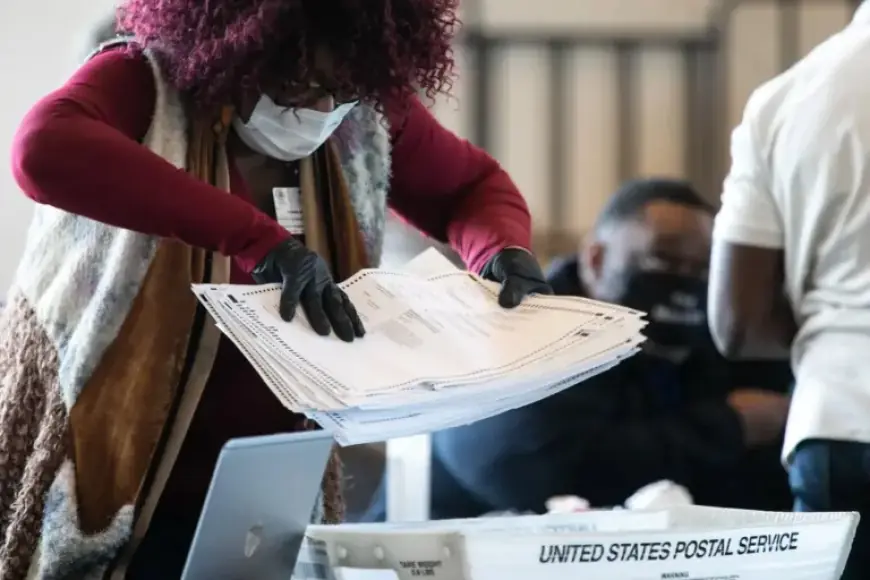
In late January, the FBI executed a seizure of 2020 election records from Fulton County, Georgia, a move that has garnered significant attention. Central to the investigation is Kevin Moncla, a conservative researcher who has been vocal about alleged election fraud in Fulton County.
Background on Kevin Moncla
Kevin Moncla has been a controversial figure, particularly due to his previous misdemeanor conviction for voyeurism. Despite the discrediting of many of his claims regarding the 2020 election, Moncla’s assertions have been influential among some conservative circles.
Claims of Election Fraud
- Moncla has repeatedly contended that the 2020 election in Fulton County was marred by fraud.
- His allegations have been referenced by notable figures including former President Donald Trump and attorney Cleta Mitchell.
- He stated that he has provided data to investigators regarding his claims.
FBI’s Seizure of Election Records
Moncla claims that his research contributed to the federal investigation that resulted in the seizure of election records. This claim emerged from a recorded call where activists affiliated with Mitchell’s Election Integrity Network mentioned DOJ uses of Moncla’s materials.
Legal Developments
- Fulton County commissioners are seeking to unseal the affidavit that authorized the FBI raid.
- Experts have raised concerns about the legitimacy of the warrant based on Moncla’s discredited theories.
Moncla’s Research and Reactions
Moncla’s report, released in January, is a compilation of complaints he has filed with Georgia’s State Election Board over several years. Many of these complaints have been dismissed after investigations.
Past Controversies
In addition to his current research, Moncla’s past includes a 2004 guilty plea for voyeurism, which has led to skepticism regarding his credibility. Critics have labeled him as untrustworthy, with some even declaring him a fraud in legal settings.
Future Implications
While the FBI’s actions have raised questions, Moncla insists he seeks to highlight flaws in Georgia’s election processes rather than pursue criminal actions against individuals. He emphasizes the importance of trusting official records and encourages independent assessments of his findings.
As these developments unfold, the intersection of political claims, legal scrutiny, and public perception continues to shape the narrative around the 2020 election in Georgia. For updates and analyses on this ongoing story, visit Filmogaz.com.