
























Rising Electricity Demand Strains Power Grids, Warns IEA

Global electricity demand is experiencing a significant surge, posing challenges to existing power grids, as reported by the International Energy Agency (IEA). Forecasts indicate that power demand will increase by over 3.5% annually through the decade, outpacing overall energy demand and the expansion of grid infrastructure in many regions.
Drivers of Rising Electricity Demand
Several factors contribute to this escalating demand for electricity:
- Electric vehicles (EVs)
- Data centers
- Increased industrial electricity usage
- Rising air conditioning use due to global warming
The IEA’s report titled “Electricity 2026” highlights that we have entered the “Age of Electricity.” Over the next five years, power demand is expected to grow at least 2.5 times faster than total energy demand. Both emerging and advanced economies are pivotal in this growth.
Shifts in Power Generation Sources
On the supply side, renewable energy sources are quickly approaching coal in global production. By 2025, renewable generation is expected to surpass coal output. Nuclear energy is also reaching new levels of production.
By 2030, renewables and nuclear power are anticipated to supply half of the world’s electricity, up from 42% today, provided grid expansions and permitting processes progress without major delays.
Future of Coal and Natural Gas
Natural gas generation is projected to increase, especially in the United States and the Middle East, gradually replacing oil for electricity production. Conversely, coal is expected to decline significantly, reverting to 2021 levels by decade’s end. Despite rising demand, CO2 emissions from electricity generation are expected to remain stable through 2030, contingent upon timely connection of clean energy sources.
Grid Limitations and Challenges
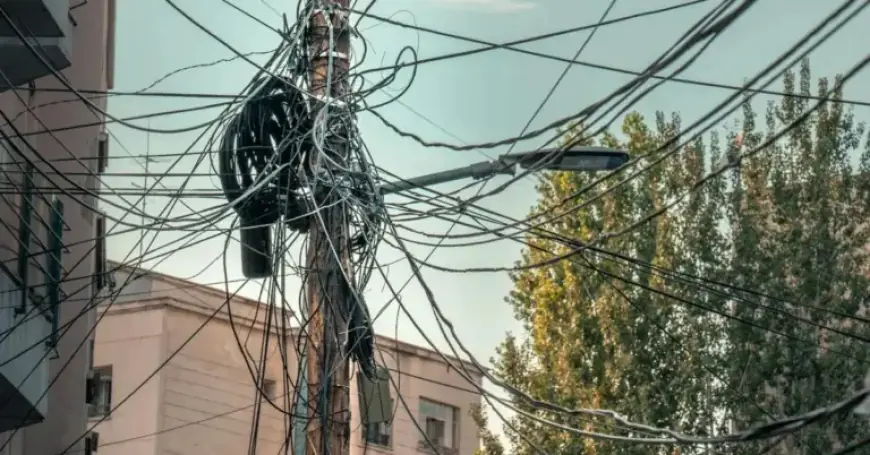
While generation capacity is rising, the main obstacle now lies within the grid itself. More than 2,500 gigawatts (GW) of energy projects, including renewable generation and battery storage, are stalled in connection queues, creating significant delays in expanding clean energy capabilities.
The IEA states that resolving these issues could free up to 1,600 GW of potential capacity without the need for new transmission lines. This can be achieved through:
- Implementing grid-enhancing technologies
- Updating existing connection rules
Utility-scale battery storage is contributing to grid flexibility. Regions like California, Texas, and the UK are witnessing significant growth in installations, which helps balance the increasingly variable power generation from renewable sources.
Investment and Political Implications
Investment in electricity grids must increase by about 50% by 2030 to meet rising demand. Moreover, high electricity costs are a growing concern, as household prices have outpaced income growth since 2019, affecting businesses and energy-heavy industries.
Security Concerns
The report also identifies risks to grid security, including:
- Ageing infrastructure
- Extreme weather events
- Cyber threats
- Physical attacks
Modernizing grid operations and enhancing security measures are crucial for accommodating the next wave of electrification. The IEA emphasizes that regulatory reforms and faster permitting processes are essential to prevent the electrification boom from hitting infrastructural limits.