
























Melbourne’s Foot Traffic Drops: Are You Among the Missing 20%?

Melbourne is facing a significant decline in foot traffic, with nearly 10,000 fewer pedestrians in its bustling areas compared to pre-pandemic levels. Analysis from City of Melbourne pedestrian data has labeled it an “80 per cent city.” This drop implies that four out of every five people have returned to the central business district (CBD), leaving many businesses struggling to adjust to the shift.
Analysis of Foot Traffic Trends
According to reports, the busiest segments of Melbourne’s CBD have not fully recovered since the lockdowns. Key locations reveal alarming statistics in foot traffic:
- Southern Cross Station: 65% of pre-COVID foot traffic during weekdays.
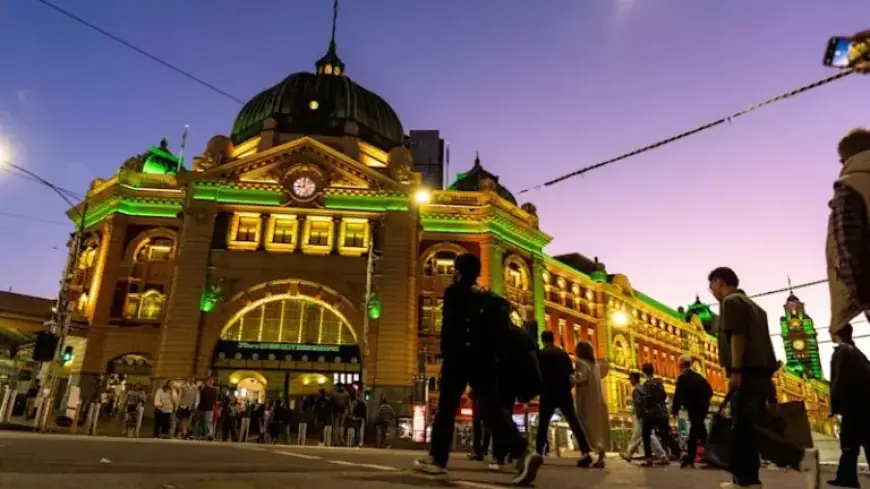
- Flinders Street Station: 77% recovery of pre-pandemic levels.
- Bourke Street: Foot traffic is just over 50% of previous counts.
The data indicates that weekday foot traffic at Southern Cross Station has decreased by 35% since 2018-19. Peak hours still attract crowds, but overall pedestrian numbers show a consistent decline.
Change in Work Patterns
Recent findings attribute this dramatic drop primarily to the rise of remote work. Many employees now report to their offices only three days a week, significantly affecting pedestrian volume. For instance, the average pedestrian count during peak morning hours has dropped from 4,100 to 2,700 on typical weekdays.
Hospitality businesses echo these sentiments. Cecconi’s Flinders Lane, a popular Italian restaurant, has reduced its services, particularly Friday night sessions, due to dwindling crowds. The average foot traffic recorded at Southern Cross during busy mid-week days remains around 20,000, while it dramatically falls on Mondays and Fridays.
The Commercial Landscape
Melbourne’s office vacancy rates reflect an unprecedented change. They currently sit at about 19%, a steep rise from only 3% in 2019. This drastic increase has resulted from post-pandemic shifts in work habits.
- Docklands: Highest office vacancy rate at approximately 21%.
- Flinders Street “Paris end”: Better recovery with a 12% vacancy rate.
Economic experts indicate that this relationship between foot traffic and office vacancy rates will define the future of workspaces in Melbourne. Many organizations are now cautious about leasing office spaces, aware that attendance may remain low.
Retail Shifts
Retailers also face challenges. The current retail vacancy rate in Melbourne stands at about 7%, up from an average of 3% before the pandemic. This shift illustrates a preference for suburban shopping experiences over city-based retail options.
Restaurants and shops are innovating, offering deals and unique experiences to attract customers back into the CBD. According to local business leaders, the competition among venues has intensified as they strive to provide unmatched dining experiences.
Future of Melbourne’s Foot Traffic
Local officials believe the city is adjusting to a “new rhythm.” Melbourne Lord Mayor Nicholas Reece emphasizes the need for workplaces to be full to invigorate spending in the city. Meanwhile, hospitality venues adapt to competing with suburban establishments that have gained traction during the pandemic.
As Melbourne evolves post-COVID, businesses must strategize effectively to thrive in the changing landscape. Experts advocate for an acknowledgment of this new reality, suggesting a fundamental transformation in both consumer behavior and work patterns.