

























Warsh’s Fed-Treasury Accord Proposal Sparks Debate in $30 Trillion Bond Market

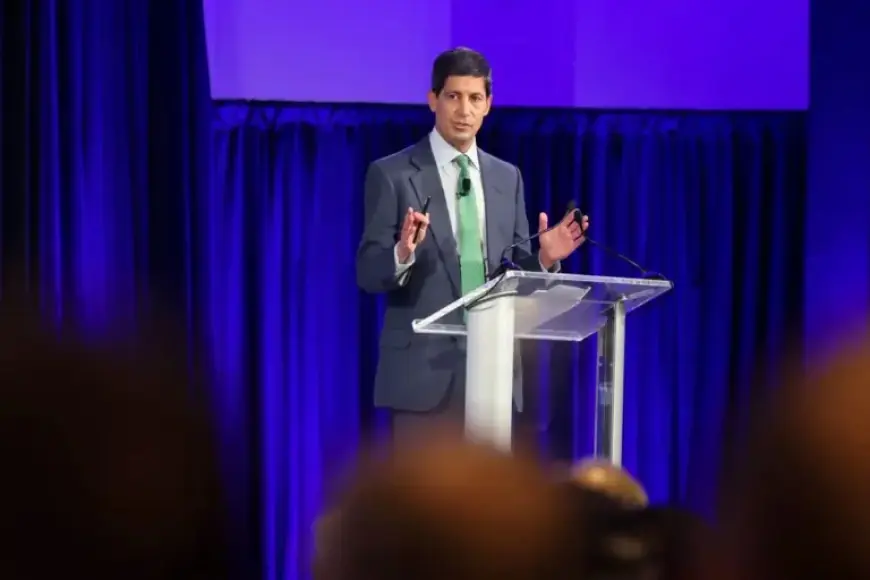
Kevin Warsh, a candidate for the Federal Reserve chair, has proposed significant changes to the central bank’s relationship with the Treasury Department. His suggestion for a new accord has generated considerable discussion within the $30 trillion bond market.
Warsh’s Proposal Explained
Warsh advocates for a reformed accord, reminiscent of the agreement reached in 1951. This proposal aims to redefine the collaboration between the Federal Reserve and the Treasury, which could have lasting impacts on economic policy.
Market Reactions
The suggestion has sparked a debate among financial analysts and economists. Concerns arise over how such a shift might affect market stability.
- Potential for increased volatility in the bond market.
- Questions about the future independence of the Federal Reserve.
- Impacts on fiscal and monetary policy coordination.
Historical Context
The original 1951 accord was designed to clarify the roles of the Fed and the Treasury. It aimed to prevent conflicts of interest and ensure effective monetary policy.
Implications for the $30 Trillion Bond Market
With Warsh’s proposal, industry experts are considering how these changes could reshape bond investments. A revised relationship between these two powerful institutions may lead to significant shifts in interest rates and inflation control.
The conversation surrounding Warsh’s proposal reflects broader themes in economic governance today. Stakeholders remain watchful as discussions unfold.