

























Rachel Reeves Introduces £300 Charge for Annual 10,000-Mile Drivers

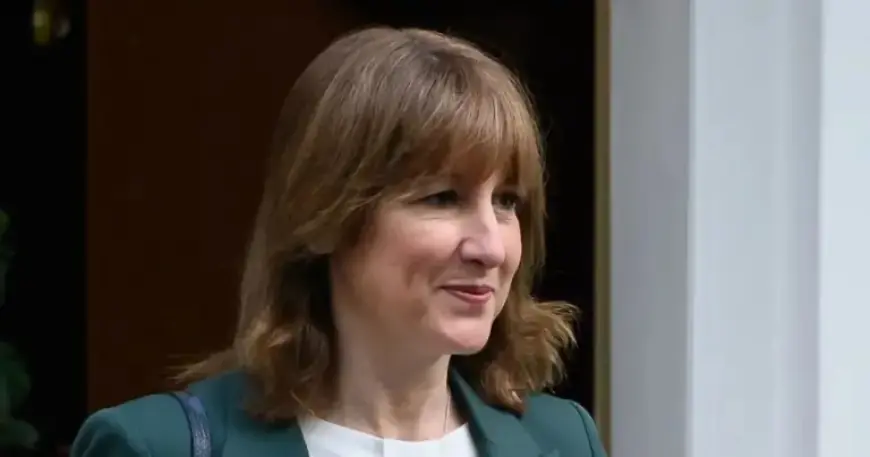
In a significant policy announcement, Rachel Reeves has revealed a new pay-per-mile car tax system in the UK. This initiative targets electric vehicle (EV) and plug-in hybrid owners as the government seeks new revenue streams amidst declining fuel duty earnings. The tax is set to begin in April 2028.
Details of the New Pay-Per-Mile Tax
The proposed charge will impose fees based on the distance driven. Owners of electric vehicles will incur a charge of 3p per mile, while plug-in hybrid drivers will pay 1.5p per mile. For an average driver covering 10,000 miles annually, this translates into an annual cost of £300 for electric vehicle users.
Context and Reasoning
- The announcement comes as the UK government aims to adapt to the growing number of electric vehicles on the road.
- Last year, EV drivers began paying vehicle tax for the first time, marking a shift in tax policy.
- Treasury minister Dan Tomlinson confirmed that this measure is a response to reduced revenues from traditional fuel duties.
Implementation and Future Expectations
The pay-per-mile car tax, officially called the Electric Vehicle Excise Duty (eVED), is designed to ensure contributions from all car drivers. It aims to maintain incentives for transitioning to electric vehicles while implementing a new tax framework. The structure of the tax will remain simple, avoiding additional complications such as in-car tracking devices.
According to Tomlinson, drivers will continue to pay their standard Vehicle Excise Duty (VED) along with the new mileage charges. This new system is expected to roll out without requiring significant changes to the existing tax processes.
The consultation document highlights that EV rates will be equivalent to half the current fuel duty, guaranteeing fairness across different vehicle types.
Looking Ahead
The introduction of a pay-per-mile tax is a pivotal move in the UK’s strategy to adapt to changing transportation habits. As the government navigates this transition, it hopes to balance revenue generation with sustainability goals.