






















Liam Ramos case: what’s happened since the ICE detention, and what comes next

Liam Conejo Ramos, a 5-year-old from Columbia Heights, Minnesota, is back home after a highly publicized immigration detention that sent him and his father to a family facility in Texas. But the legal fight is not over: federal officials are still pursuing removal proceedings, and the family’s case is now moving on a tighter, higher-stakes timeline.
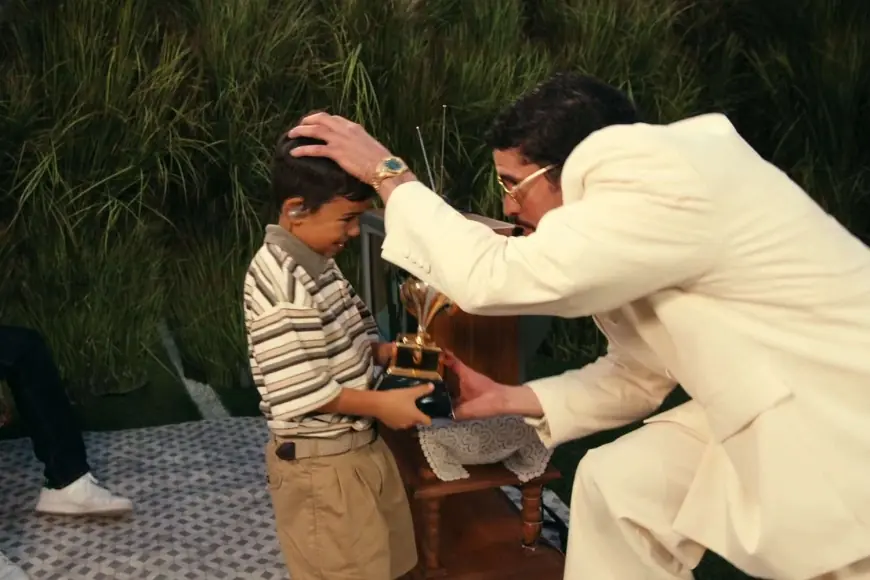
The case has also been pulled into the country’s largest pop-culture moment. A viral claim during Super Bowl LX suggested Liam appeared in Bad Bunny’s halftime show—a rumor that was later debunked—adding a new layer of misinformation to an already emotional story.
What led to Liam’s detention in Minnesota
Liam was detained with his father, Adrian Conejo Arias, in late January after an encounter with federal immigration agents near the family’s home. Officials and the family’s supporters have offered conflicting accounts of the precise moments leading up to the detention, including what happened at the driveway and whether Liam’s mother was able or willing to take custody at the scene.
What is not in dispute is the broad sequence: Liam and his father were taken into federal custody, transferred to a family detention facility in Dilley, Texas, and held there for days as the case drew national attention from advocates, lawmakers, and local school officials.
Judge-ordered release and return home
A federal judge ordered Liam and his father released at the end of January. They returned to Minnesota on Sunday, February 1, 2026, a moment that supporters treated as both relief and a warning sign that the family could be placed back into proceedings quickly.
After the return, local officials emphasized the impact on Liam’s stability—particularly his ability to attend school without fear and to recover from the stress of detention and travel. Family advocates have described the time in detention as traumatic for a child his age.
Deportation push and the continuance at the asylum hearing
The most consequential development since Liam’s return is the government’s move to advance removal proceedings involving the family.
Texas Rep. Joaquin Castro has publicly described the action as an attempt to “expedite” deportation. Federal officials, including the Department of Homeland Security, have pushed back on that framing, saying the case is proceeding through standard removal channels rather than an “expedited removal” track.
An immigration hearing that had originally been scheduled for later in February was moved up and held on Friday, February 6. The judge granted the family a continuance, meaning the case was formally postponed to a later date and the family can remain in the United States for now while the process continues.
That continuance does not resolve the underlying immigration case. It simply buys time—time the family’s legal team can use to respond, submit evidence, and argue the merits of their asylum claim.
The Super Bowl halftime rumor and why it spread
During Bad Bunny’s Super Bowl halftime show, a staged moment featured a small boy receiving a Grammy trophy. Social media speculation quickly identified the boy as Liam, with some posts claiming Bad Bunny had “given his Grammy to Liam.”
That claim was false. The child in the performance was a young actor used as part of the show’s narrative staging, not Liam Conejo Ramos. There has been no verified indication that Liam attended the game or participated in the production.
The rumor spread because the story already had strong emotional hooks—an endangered child, a national spotlight, and a symbolic gesture that looked like a direct message. But it illustrates a common problem in high-profile legal cases: viral content can distort facts and overwhelm real updates about court filings and hearings.
What remains uncertain now
Several key questions will define what happens next:
-
Whether the government continues pressing for a faster removal schedule than is typical in similar asylum cases
-
Whether Liam and his father face additional detention risk while proceedings continue
-
How quickly the court sets the next hearing date after the continuance
-
What evidence and testimony are presented to support the family’s asylum claim
For the public, the most important thing to track is the court schedule and any official decisions—not social media clips or rumor-driven narratives tied to unrelated events.
Key takeaways
-
Liam and his father were detained in Minnesota and transferred to a family facility in Dilley, Texas.
-
A federal judge ordered their release, and they returned to Minnesota on February 1, 2026.
-
Removal proceedings are still active; the family received a continuance at a February 6 hearing.
-
The Super Bowl halftime “Liam appearance” rumor was debunked; the child on stage was an actor.
Sources consulted: ABC News, Reuters, People, KSTP 5 Eyewitness News