























Thunderbolts: Why the “New Avengers” twist still matters in 2026

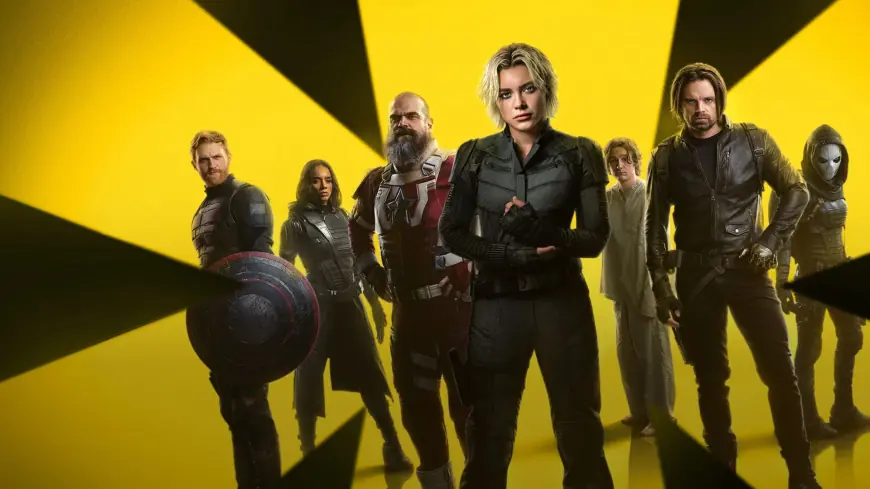
Nearly a year after it hit theaters, Thunderbolts is having a second life as the Marvel timeline accelerates toward its next major crossover. The movie’s unusual post-release rebranding into “The New Avengers” remains one of the franchise’s boldest marketing gambits, and the ripple effects are still shaping how fans and studios talk about the next phase of big-screen team-ups.
With Avengers: Doomsday on the calendar for late 2026, Thunderbolts is increasingly being treated less like a standalone antihero caper and more like a bridge film—one that quietly rearranged the power structure and set a new “team” label in motion.
The title change that became the story
Thunderbolts was released in U.S. theaters on May 2, 2025, and within days the studio began promoting it under “The New Avengers” branding. The move leaned into the film’s endgame reveal and turned the asterisk in the original title into a built-in invitation for audiences to rethink what they’d just watched.
The important nuance: the film did not simply get a new nickname online. The marketing shift showed up on posters and promotional materials, and the home-release packaging later carried Thunderbolts (The New Avengers) labeling—cementing the idea that “Thunderbolts” was both the movie’s identity and a narrative stepping-stone.
Release timeline and where it stands now
Even after the theatrical run, Thunderbolts continued to circulate widely through home viewing. That long tail has mattered because audience reappraisal—good or bad—often happens after the opening weekend pressure is gone.
| Milestone | Date (ET) |
|---|---|
| U.S. theatrical release | May 2, 2025 |
| Digital release | July 1, 2025 |
| Disc release | July 29, 2025 |
| Streaming debut on the studio’s service | Aug. 27, 2025 |
| Next major crossover on the calendar: “Avengers: Doomsday” | Dec. 18, 2026 |
Streaming bump reshaped the narrative
Thunderbolts’ box office performance landed in a complicated zone: solid headline numbers, but less certainty about profitability once marketing costs and franchise expectations are factored in. In the months after release, the movie found a broader audience at home, where completion-friendly pacing and character-forward scenes played better for many viewers than they did amid the “opening weekend or bust” discourse.
That streaming surge also changed what the film represents inside the wider universe. A movie that some treated as a mid-tier chapter in theaters started to look more essential once it became the easiest “catch-up” watch for viewers trying to track how the team landscape is evolving.
Taskmaster controversy keeps resurfacing
One reason Thunderbolts keeps returning to conversation is a character-choice debate that won’t fully cool down: Taskmaster’s fate. Recent discussion has focused on how quickly the character exits the story relative to the prominence of the role in marketing and the potential for future team dynamics.
The broader impact isn’t only about one character. It’s about trust—viewers calibrate expectations for how much screen time and narrative weight side characters will receive in future ensemble films. When a film makes a sharp call early, it can make audiences more cautious about trailers, cast lists, and “who matters” assumptions.
How it connects to the road to Doomsday
Thunderbolts is increasingly being framed as a prelude to late-2026 storytelling, partly because it introduces a re-labeled team identity and partly because it helps define the universe’s current “bench” of powered and semi-powered players. That matters heading into any event film that will inevitably juggle multiple groups at once.
It also explains why Thunderbolts’ post-credits setup remains a frequent reference point. Event movies thrive on clean entrances: a clear roster, a clear mandate, and a clear reason for the wider world to accept (or reject) a new team name. Thunderbolts did the foundational paperwork for that—on screen and in marketing.
What to watch next
The next big signal won’t be a retroactive rewrite. It will be how later films treat the “New Avengers” label in dialogue, imagery, and official materials. If the name becomes standard in-universe, Thunderbolts will look even more like a handoff chapter. If it stays semi-official or contested, the movie may read as a deliberately unstable transition—one that set up conflict as much as it set up continuity.
Either way, Thunderbolts has already achieved something rare: it turned a marketing quirk into a lasting story beat, and it positioned an unconventional roster as a key piece of the franchise’s end-of-year 2026 puzzle.
Sources consulted: Marvel.com, Box Office Mojo, Variety, Time