























Milano Cortina 2026 Winter Olympics Schedule: Today’s Events, Opening Ceremony Time, and How to Watch in ET

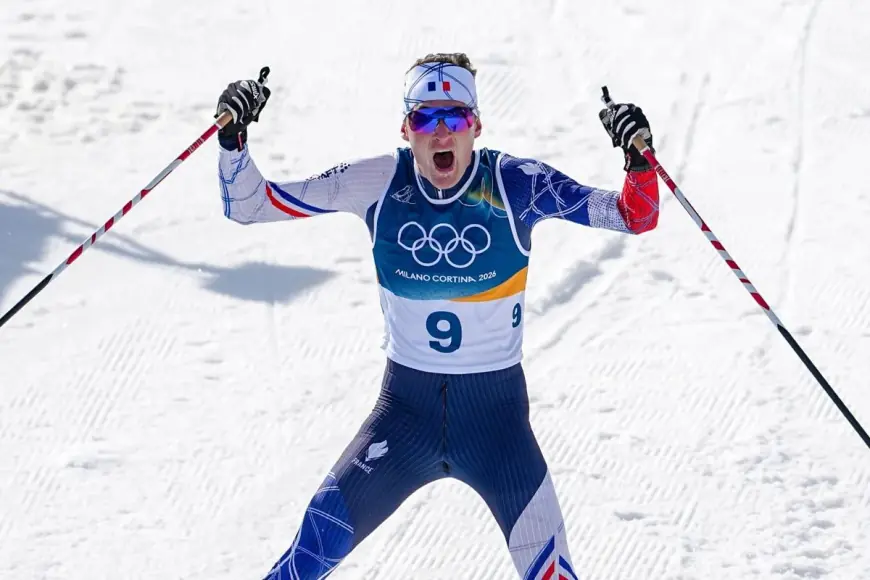
The Milano Cortina 2026 Winter Olympics are underway in Italy, and search interest has spiked around three practical questions: the Olympics schedule, the opening ceremony timing, and where to watch from the United States. Add in viral moments from the opening ceremony, including Mariah Carey singing “Volare” and a headline performance from Andrea Bocelli, and the viewing guide has become part sports calendar, part pop-culture map.
When do the 2026 Winter Olympics start and end?
The Winter Olympics run Friday, February 6 through Sunday, February 22, 2026, with events spread across northern Italy.
The simplest way to think about the calendar in USA Eastern Time is:
-
Opening weekend: February 6 to 8, 2026
-
Main competition stretch: the following two weeks
-
Final weekend and closing: February 21 to 22, 2026
What time was the Winter Olympics opening ceremony in ET?
The opening ceremony took place on Friday, February 6, 2026, staged at San Siro Stadium in Milan.
For viewers in ET, the ceremony aired live in the afternoon, with a separate primetime presentation later that evening. That split matters because many people saw clips and assumed the show began at night everywhere, when the live ceremony in Italy naturally lands earlier in the day for North American time zones.
Olympic schedule today: how to think about “today” in ET
Today is Sunday, February 8, 2026 ET, and the biggest confusion is that “today” schedules are often posted in local Italy time, which runs six hours ahead of ET in February.
That means:
-
A morning event in Italy tends to fall in the overnight or early morning ET window.
-
A late afternoon event in Italy often becomes late morning ET.
-
Evening finals in Italy frequently land in the afternoon ET window.
A reliable viewing habit is to pick two blocks: early morning ET for live qualifiers and heats, then midday through late afternoon ET for many medal sessions.
What time is it in Milan right now?
As of Sunday, February 8, 2026 at 1:26 p.m. ET, the local time in Milan is 7:26 p.m. The six-hour gap is the key conversion to keep in mind when you see daily schedules posted locally.
Where to watch the Winter Olympics and what channel the Olympics are on
In the United States, the Winter Olympics are carried by the US media-rights holder, which typically distributes coverage across:
-
A main broadcast channel for marquee events and nightly programming
-
Cable channels for live daytime blocks and overflow events
-
A companion streaming service that carries live feeds, replays, and multi-event viewing
If you’re trying to watch without a traditional cable subscription, the most common routes are:
-
A live TV streaming bundle that includes the main broadcast channel
-
The official streaming option attached to the rights holder
-
Over-the-air viewing with an HD antenna for the main broadcast channel, depending on local reception
Andrea Bocelli, Mariah Carey, “Volare,” and the ceremony’s theme
The opening ceremony leaned hard into an “Armonia” theme, pairing global pop recognition with Italian cultural references. Mariah Carey performed “Volare” as a centerpiece moment, and Andrea Bocelli delivered a major vocal highlight as well.
Why this mix works: opening ceremonies are designed for the broadest possible audience, not just winter-sports fans. The music serves the same purpose as the parade of nations and the stadium spectacle: create a shared moment that makes casual viewers stay through the first weekend.
Did Mariah Carey lip sync at the Olympics?
That question trends after nearly every major ceremony performance. Without definitive technical evidence made public, the fairest answer is: not confirmed. Large-scale live broadcasts often blend live vocals, backing tracks, and stadium acoustics in ways that can sound “too perfect” on television while still involving live singing.
How many countries and athletes are competing?
This edition is expected to feature over 90 countries, with roughly 3,500 athletes competing across 304 medal events. Those headline totals matter beyond trivia: more events and more nations create more scheduling overlap, which is why streaming and multi-feed coverage has become essential for fans who follow a specific sport.
What’s behind the headline: why scheduling and viewing are the story
The incentives are straightforward:
-
Organizers want packed venues across multiple regions, which spreads events geographically and complicates schedules.
-
Broadcasters and streaming partners want appointment viewing, which pushes certain finals into time slots that play well across major markets.
-
Fans want clarity: one easy grid that translates to their time zone.
The tension is that the Olympics is not one event; it’s dozens running at once. The “schedule” people want is really a personalization problem: which sports, which athletes, which sessions, and in which time zone.
What we still don’t know, and what to watch next
Even once the Games begin, several pieces stay fluid:
-
Daily start lists can shift due to weather, course conditions, and safety calls.
-
TV and streaming windows can move when events run long or when major medal moments stack up.
-
Surprise ceremony guests and musical segments are often kept quiet until airtime.
What happens next: realistic scenarios with clear triggers
-
Weather reshuffles the calendar if mountain conditions force delays or rescheduling.
-
A breakout star changes coverage priorities if an unexpected medal run draws wider attention.
-
Streaming becomes the default as simultaneous finals overwhelm linear channels.
-
Ceremony moments keep driving search spikes when performances become memeable clips.
-
National medal chases reshape primetime as networks cluster high-interest finals into the biggest windows.
For viewers trying to keep it simple: anchor your day in ET, remember Milan is six hours ahead, and treat “today’s Olympic schedule” as a set of live blocks rather than one neat list. That approach is the difference between chasing highlights after the fact and actually catching the medals live.