






















Team USA Faces Home Politics Amid Winter Olympics Competition

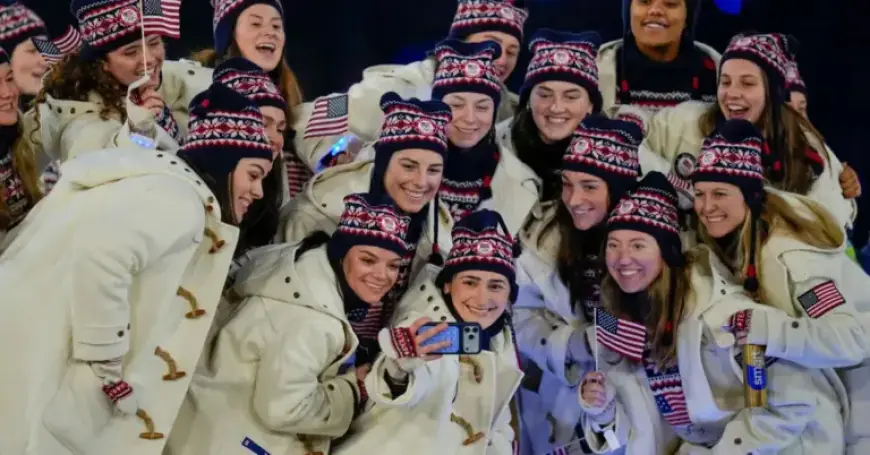
The Winter Olympics are underway, featuring 232 American athletes eager to showcase their skills. However, political tensions are overshadowing their performances, stirring controversy on the global stage.
Home Politics Impacting Team USA
As the competition unfolds in northern Italy, the ramifications of the Trump administration’s policies resonate among the U.S. team. Actions such as aggressive trade negotiations and strained relations with European allies have made U.S. athletes symbols of a nation grappling with internal discord.
Opening Ceremony Controversies
During the opening ceremony in Milan, onlookers reacted negatively when Vice President JD Vance appeared on screen. The display triggered jeers and boos from the crowd at San Siro stadium, causing concern among U.S. athletes and coaches.
- Phillip DiGuglielmo, coach of figure skater Alysa Liu, expressed dismay at the reception, feeling athletes didn’t deserve such treatment.
- Zach Werenski, a defenseman for the U.S. hockey team, was initially unaware of the backlash but emphasized a focus on competition, not politics.
International Reactions
The International Olympic Committee aims to keep the Games free from political influence. Nonetheless, athletes must confront perceptions tied to their national identity, especially given the unwanted attention stemming from U.S. immigration policies.
Local Protests Against U.S. Policies
Protests erupted in Milan over the presence of U.S. Immigration and Customs Enforcement (ICE) at the Olympics, with demonstrators openly denouncing the agency’s actions. Banners proclaiming “Milan despises you” underscored the sentiment.
The backlash prompted the American figure skating, hockey, and speedskating federations to rename an athlete hospitality venue from “Ice House” to “Winter House.”
Athletes’ Voices Amidst the Noise
Despite the surrounding turmoil, many Olympians are striving to maintain focus. Summer Britcher, a luger, spoke about embodying the positive aspects of America. “I am proud to represent the good people back home,” she stated.
Other athletes, like skier Mikaela Shiffrin, expressed honor in their roles while advocating for inclusivity. Amber Glenn, a figure skater, asserted her position on LGBTQ rights, highlighting that “politics affect us all.”
Support from U.S. Athletes
Although the Trump administration’s approach has faced criticism, many American athletes remain focused on their performance. U.S. Olympic committee guidelines encourage athletes to speak on social issues while maintaining neutrality in partisan politics.
As competition continues, the athletes’ achievements and resilience may redefine narratives about Team USA, transcending the political challenges they face.
Conclusion
While athletes represent the United States on a global platform, home politics inevitably impact their experience. The Winter Olympics serve as a reminder that sports and political sentiments are intricately intertwined, affecting both competitors and supporters alike.