























ICC Questions PCB on Force Majeure for India Game Boycott

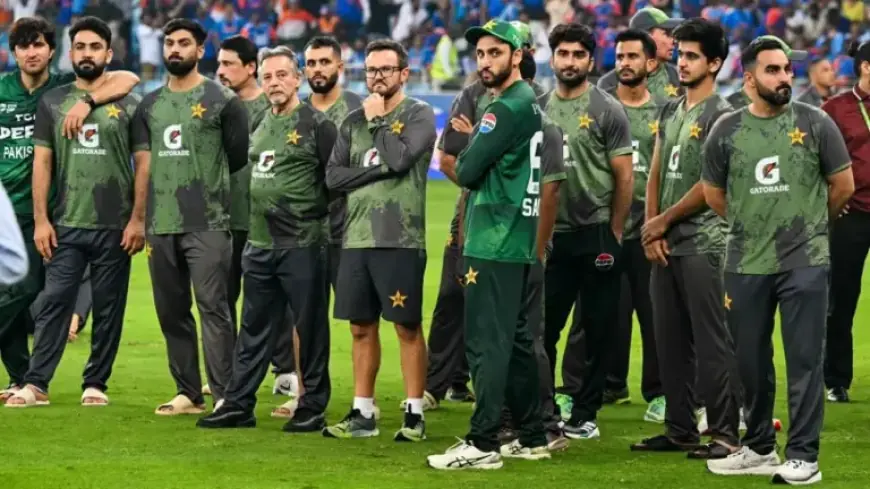
The International Cricket Council (ICC) has demanded that the Pakistan Cricket Board (PCB) clarify its reasons for invoking the Force Majeure clause as part of its boycott of the T20 World Cup match against India. This match was scheduled for February 15 in Colombo.
Details of the Boycott
Reports indicate that the PCB has communicated to the ICC, citing government orders as justification for their decision to forfeit the match. According to the government of Pakistan, this action aims to show solidarity with Bangladesh, a team previously removed from the tournament.
Understanding Force Majeure
Force Majeure is a legal concept that releases parties from contractual obligations due to unforeseen events, such as natural disasters or government actions. In the context of the ICC’s Members Participation Agreement (MPA), government orders can also be classified as Force Majeure.
ICC’s Response to the PCB
- The ICC has requested the PCB to outline any efforts made to mitigate the Force Majeure situation.
- Specific criteria and evidential requirements for invoking Force Majeure have been shared with the PCB.
- Potential ramifications for non-participation include financial and governance impacts.
The ICC has also warned the PCB of possible claims for material damages should the boycott proceed. Although the ICC seeks to avoid confrontation, it retains the authority to suspend or terminate PCB’s membership, should there be a significant breach of obligations.
PCB’s Position and Historical Context
The PCB reportedly believes it has a robust case should the situation escalate to a dispute. The board has referenced a previous case involving the Board of Control for Cricket in India (BCCI) that went before the ICC’s Dispute Resolution Committee (DRC). In that earlier case, the PCB did not succeed in claiming damages against the BCCI, which failed to honor a Memorandum of Understanding (MoU) for bilateral series.
Despite its past losses, the PCB argues that the Indian government’s refusal to permit BCCI to play could set a precedent in their current situation. Ongoing discussions between the two parties, facilitated by ICC directors Imran Khwaja and Mubashir Usmani, aim to resolve this issue amicably.
However, neither the ICC nor the PCB has issued any formal statements regarding this matter yet. As negotiations continue, the cricketing world watches closely to see how this situation will unfold.