
























Warning Issued: Life-Threatening Bacteria in Wet Wipes Causes Illness and Fatality

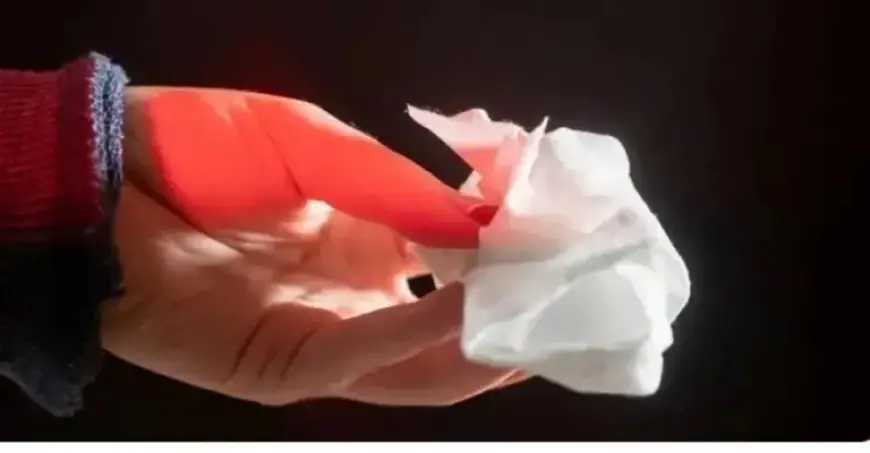
Health authorities have issued warnings concerning contaminated wet wipes linked to a serious outbreak of bacterial infections. This alarming news follows reports of dozens of illnesses and at least one confirmed fatality.
Background on Wet Wipe Contamination
The outbreak began with several hospitalizations due to severe bacterial infections. Investigations revealed that certain batches of commercially sold wet wipes contained life-threatening bacteria. These infections primarily affected vulnerable individuals, including the elderly, immunocompromised, and young children.
Identified Bacteria and Health Risks
Laboratory tests found dangerous bacterial strains in the contaminated wipes. These bacteria can cause skin infections and severe health issues when they come into contact with damaged skin or mucous membranes. Major health risks include:
- Skin irritations and localized infections
- Sepsis and severe bloodstream infections
- Potential respiratory complications when wipes contact nasal passages
Early detection and treatment are crucial to prevent severe health outcomes, particularly for at-risk populations.
Recall and Consumer Guidance
Manufacturers have voluntarily recalled affected products. Consumers should take the following precautions:
- Check product packaging for recall notices and affected batch numbers.
- Dispose of contaminated products safely without using them further.
- Monitor symptoms and seek medical attention if signs of infection develop, like fever or swelling.
- Report any adverse reactions to health authorities.
Regulatory agencies are working with manufacturers to ensure affected wipes are removed from store shelves and public safety information is communicated clearly.
Regulatory Measures and Investigations
Government health agencies have underlined the importance of stringent quality control in hygiene product manufacturing. Investigations are ongoing, focusing on identifying the contamination source, including examining manufacturing conditions and sterilization processes. Companies failing to adhere to safety standards may face penalties and legal consequences.
Public Health Implications
This incident highlights broader issues related to consumer product safety. Contaminated hygiene items can foster the rapid spread of bacteria, especially in households with children and elderly members. Experts recommend:
- Thoroughly reading product labels for safety instructions.
- Maintaining hygiene practices before and after using wet wipes.
- Storing products properly to inhibit bacteria growth.
Awareness campaigns may be essential to educate the public and prevent future contamination cases.
Symptoms to Monitor
Health officials advise consumers to watch for early signs of infection, which include:
- Red or swollen skin areas
- Fever or chills
- Nausea if the infection becomes systemic
- Fatigue or malaise
Prompt medical attention is vital for anyone showing symptoms, especially those in high-risk categories.
Manufacturer Transparency and Accountability
Manufacturers linked to the recalled products have expressed concern and are cooperating with health authorities. They are committed to enhancing quality control measures to prevent future contamination incidents.
Consumer advocacy groups emphasize the need for transparency in product manufacturing and distribution processes to regain public trust in hygiene products.
Reporting and Monitoring Efforts
Health authorities call for consumers and healthcare providers to report any infections associated with the use of wet wipes. Such information is essential for tracking contamination spread and guiding investigations. Regulatory agencies are monitoring compliance with safety standards rigorously.
Strategies for Risk Reduction
Experts recommend various strategies for consumers to minimize risks when using hygiene products:
- Purchase from reputable brands known for safety.
- Avoid using products that are expired or damaged.
- Wash hands both before and after using wet wipes.
- Refrain from using wipes on broken or sensitive skin.
These preventive measures can safeguard consumers, especially those with compromised immune systems.
Public Awareness and Education
Media coverage and public safety alerts play a crucial role in informing the public about such health risks. Communities are encouraged to educate family members—particularly caregivers—about the safe use of hygiene products.
Legal and Consumer Rights
Consumers affected by these contaminated products may have legal options available. Guidance from regulatory agencies and advocacy groups includes:
- Filing complaints regarding the products.
- Seeking compensation for health-related issues.
- Understanding the responsibilities of manufacturers.
Legal accountability is vital for ensuring that manufacturers adhere to safety standards.
Medical Perspectives on Contamination
While bacterial contamination of consumer products is uncommon, it can have dire consequences. Medical professionals advocate for:
- Enhanced oversight in manufacturing practices.
- Routine microbiological testing of hygiene items.
- Rapid response strategies for identified contamination.
Continued research into prevention measures is critical for ensuring public safety.
Conclusions and Future Considerations
The wet wipe contamination incident serves as a reminder of the risks associated with hygiene products. With multiple illnesses and a reported fatality, public awareness, stringent regulatory actions, and accountability from manufacturers are paramount. Ongoing investigations aim to prevent future events, while consumers are advised to monitor their health and adhere to safety guidelines diligently.