

























Silver price today jumps after January plunge, as traders reassess rates and risk

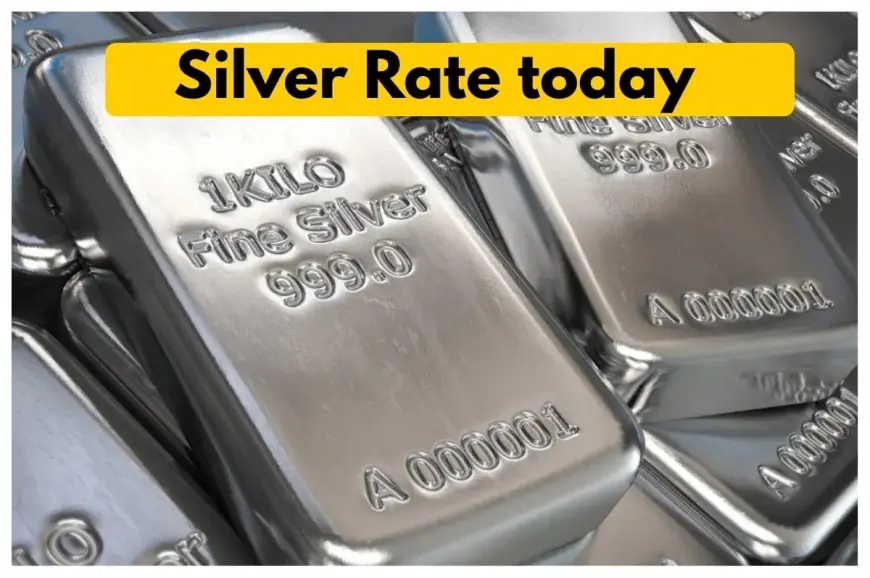
Silver traded sharply higher on Saturday, Feb. 7, 2026, after a violent late-January selloff reset expectations and flushed out leveraged positioning. The rebound highlights how quickly sentiment can swing in the metal when interest-rate assumptions, the U.S. dollar, and margin-driven flows collide.
As of 4:44 p.m. ET on Feb. 7, spot silver was around $78.52 per ounce, up roughly 10% on the session. Even after that bounce, silver remains far below the late-January peak near $120 and is still digesting what many traders view as a “new range” following a record-setting surge and equally dramatic correction.
Where silver is trading now
The market is currently split between a fast-moving spot price and futures that are still reflecting heightened uncertainty about near-term financing and demand.
| Silver benchmark | Level | Time reference (ET) |
|---|---|---|
| Spot silver | ~$78.52/oz | Feb. 7, 4:44 p.m. |
| COMEX silver (Mar 2026) | ~$76.90/oz | Feb. 6, 4:59 p.m. close |
Intraday prices can move quickly outside peak liquidity hours, so these levels should be read as a snapshot rather than a settlement for the full market day.
What’s behind the bounce
The immediate driver is positioning. After silver’s late-January run-up, a sharp reversal triggered forced selling across futures and leveraged products, pushing prices down toward the mid-$70s in a matter of hours. Once that mechanical selling eased, dip-buyers stepped in—especially traders looking for a rebound after an outsized, fast decline.
Macro conditions are also feeding the move. Silver tends to trade as a hybrid: part precious metal (sensitive to real yields and the dollar), part industrial metal (sensitive to growth expectations). When the dollar’s rally pauses and rate expectations stabilize, silver often benefits because it becomes less expensive for non-U.S. buyers and less penalized by rising real yields.
The January spike and crash still matter
Silver’s late-January peak was extraordinary. In public market summaries, the metal was quoted near $119–$120 per ounce on Jan. 29 (ET), before tumbling the following day to levels around the mid-$70s. That kind of move leaves behind two lasting effects:
-
Higher volatility: Even modest headlines can trigger large price swings when traders are nursing fresh losses and rebuilding positions cautiously.
-
Stricter risk controls: After a shock move, brokers and exchanges often become more conservative, which can keep leverage lower and amplify day-to-day swings as liquidity thins.
The result is a market that can rebound sharply—like Feb. 7—without necessarily signaling a return to the prior highs.
What silver is “listening to” right now
Silver’s next direction is likely to track a few observable inputs:
-
The U.S. dollar’s trend: A firmer dollar can cap rallies; a softer dollar can give silver room to climb.
-
Real yields and rate expectations: When yields rise quickly, silver often struggles; when yields pause or retreat, the metal can catch a bid.
-
Margin and liquidity conditions: If financing tightens, sudden downdrafts become more likely; if conditions normalize, price discovery tends to calm.
-
Industrial demand signals: Manufacturing momentum and electronics-related demand can matter, especially after a big price move forces buyers to rethink inventory timing.
How to read the rebound without overreacting
A strong one-day jump can be misleading in silver because the metal frequently whipsaws after a major correction. What will matter more than a single session is whether silver can hold above the upper-$70s and build a base—rather than snapping back down as sellers re-emerge on rallies.
If silver continues to close near current levels over multiple sessions, it would suggest the market is transitioning from liquidation to consolidation. If it fails to hold the recent rebound, it could indicate that confidence remains fragile and that the late-January shock is still controlling risk appetite.
What to watch next week
The next catalysts are likely to be macro releases and any additional repricing of rate expectations. In practical terms, silver traders will be watching whether the dollar extends its latest move, whether yields keep drifting, and whether futures volume strengthens on up days—often a sign that buyers are returning with more conviction.
For now, the clearest takeaway is that silver has shifted into a high-volatility regime: big gains and big losses can arrive quickly, and the market is still deciding what “normal” looks like after a historic spike and equally historic unwind.
Sources consulted: CME Group; MarketWatch; Yahoo Finance; Trading Economics