

























Australian Travel CEO’s Crash Landing: Foreseen by Some Weeks Ago

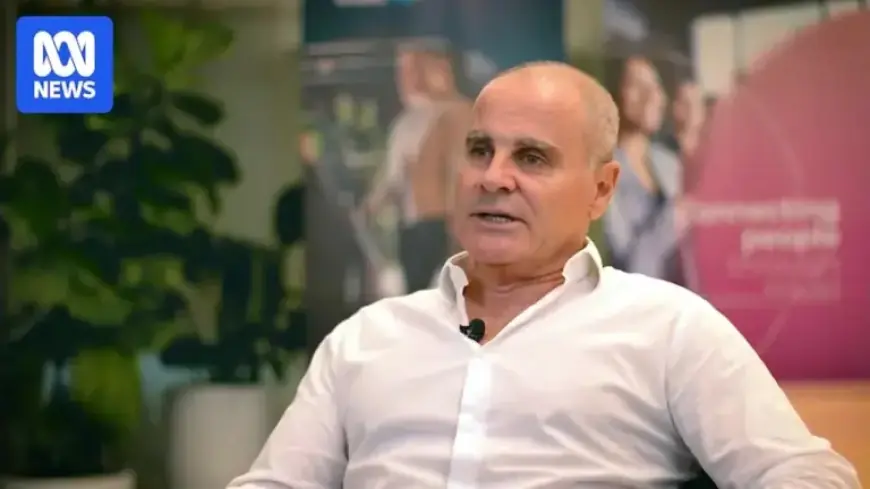
In a striking turn of events, Corporate Travel Management’s (CTM) founder, Jamie Pherous, has stepped down as CEO amidst a growing financial crisis. This unexpected fallout follows weeks of mounting scrutiny regarding accounting discrepancies and significant overcharging allegations, particularly involving UK contracts.
Background on Corporate Travel Management
Founded in 1994 with just two employees, CTM quickly grew into a $2.3 billion travel powerhouse, securing major contracts with clients like the Australian government and Wesfarmers. By 2015, the company was managing $2.7 billion in customer travel. Over the years, Pherous became known for both his entrepreneurial spirit and his high-profile lifestyle.
Signs of Trouble
Despite its rapid growth, warnings of potential issues first emerged last year. Auditors identified seemingly minor accounting irregularities, which soon evolved into serious concerns. Reports indicate that UK clients, including the British government, were overcharged by approximately £77.6 million (around $150 million).
- Accounting problems were noted by auditors shortly after major contracts were secured.
- Company shares remain suspended as investigations continue.
Pherous’s Leadership Challenges
Pherous, now 57, attributed his entrepreneurial drive to familial discussions surrounding their fashion business. His background includes attending prestigious schools and a successful career in accounting before pivoting to corporate travel.
Over the years, Pherous celebrated CTM’s successes with lavish gatherings, including hiring singer Jimmy Barnes for his 50th birthday at a cost of $150,000. These high-profile celebrations contrasted sharply with the allegations facing his company.
Overbilling Allegations and Response
CTM’s alleged overbilling practices have raised alarms across the travel sector. Regulatory reviews unveiled concerns of hidden airfare mark-ups and potentially misleading commissions. The company’s expansion during the COVID-19 pandemic, which included repatriating thousands of Britons, showcased its operational capabilities but also shone a light on its governance weaknesses.
- Corporate Travel’s European operations reportedly had margins that doubled those of other regions, causing skepticism among analysts.
- New auditors Deloitte revealed initial discrepancies missed by the previous firm, PwC.
The Future of Corporate Travel Management
With shares previously valued at over $30 each, the suspension now at $16.07 raises significant concerns about the company’s stability. Industry analysts speculate about potential shareholder litigation, as questions about governance and accountability linger.
Pherous’s departure from CEO doesn’t mean he steps away entirely; he will retain a consultancy role, valued at approximately $337,000. As he contemplates his next steps, including potential skiing trips, the travel industry watches closely, wary of how these developments will impact CTM’s future.
The corporate struggle at CTM underlines the challenges facing leadership in ensuring robust operational structures amidst aggressive growth. As the investigation into the overcharging allegations unfolds, the repercussions for the travel giant will be watched closely by market analysts, clients, and industry insiders alike.