






















Kid Rock country music festival “Rock The Country” hit by artist exits ahead of 2026 run

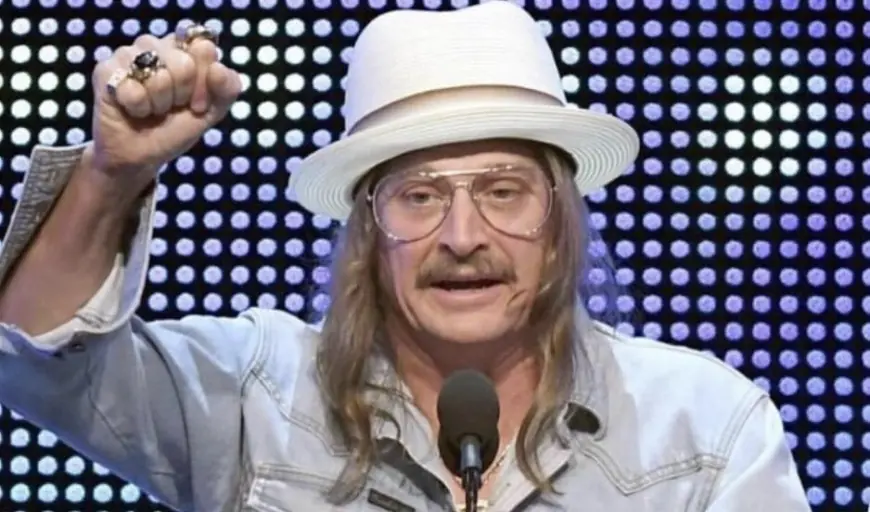
Kid Rock’s traveling country-leaning festival, Rock The Country, is facing fresh turbulence just months before its first 2026 stop, after multiple performers dropped off the bill and at least one previously promoted location disappeared from the tour’s public schedule. The event is still positioned as a small-town, stadium-sized party timed to the United States’ 250th anniversary year, but the recent reshuffling has shifted attention from the lineup reveal to questions about stability, messaging, and what fans should expect when gates open in May.
The festival remains on sale in several markets and still lists major headliners, yet the departures have become the story: a mix of artists quietly removed and at least one band publicly explaining why it no longer wants to be part of the tour.
What Rock The Country is
Rock The Country is a multi-city, two-day festival series built around Kid Rock as the central draw, paired with rotating headliners and supporting acts that blend country, rock, and crossover pop-rap. The tour’s identity is deliberately patriotic and rural-focused, targeting smaller markets rather than the usual major-city festival circuit.
For 2026, the organizers have framed the run as part celebration and part statement: a loud, flag-waving brand of entertainment that leans into “heartland” aesthetics and culture-war symbolism. That positioning has energized a base audience while also making the festival more exposed to political blowback than a typical genre festival.
The dropouts and why they matter
The festival’s current headache is not one single cancellation but momentum damage: each departure invites another round of scrutiny, and the cumulative effect can change buying behavior in markets where fans purchase tickets based on a specific co-headliner.
One rock act that had been booked publicly cited a desire to avoid contributing to further division, signaling discomfort with the festival’s perceived political overtones. Several other artists—spanning country and hip-hop—have also fallen off promotional materials, with no detailed public explanation attached to their exits.
Even when replacements are available, late lineup changes create logistical challenges: marketing collateral has to be reworked, local promoters must reset expectations, and fans may hesitate if they fear additional changes before show day.
The schedule now: seven cities on the run
The public-facing schedule currently highlights seven two-day stops across the U.S. (dates shown in ET). Here is the tour’s spine as it stands now:
| City | Dates (ET) |
|---|---|
| Bellville, Texas | May 1–2, 2026 |
| Bloomingdale, Georgia | May 29–30, 2026 |
| Sioux Falls, South Dakota | June 27–28, 2026 |
| Ashland, Kentucky | July 10–11, 2026 |
| Hastings, Michigan | Aug. 8–9, 2026 |
| Ocala, Florida | Aug. 28–29, 2026 |
A seventh stop is also listed for Hamburg, New York (Sept. 11–12, 2026). The notable wrinkle is that the tour had previously been promoted as a larger run; the disappearance of at least one location from the active schedule has fueled speculation about whether that stop was dropped or reworked behind the scenes.
What’s still on the lineup
Despite the exits, the festival continues to advertise a heavyweight roster across select dates. Kid Rock remains the anchor, with prominent co-headliners still shown in the tour’s materials. Because acts vary by city, the value proposition differs market to market: some stops are built around a second mega-name, while others lean more on a deep undercard and the two-day party atmosphere.
For ticket buyers, the practical advice is simple: verify the city-specific lineup before committing, especially if your decision is tied to a particular non-headlining artist. Touring festivals often swap set times and occasionally swap acts, but the recent frequency of changes makes that due diligence more important here.
What to watch next
Three near-term signals will determine whether Rock The Country regains its footing or stays in reactive mode:
-
Replacement announcements: If new names are added quickly and credibly, it can calm markets spooked by dropouts.
-
Local logistics: Venue communications, updated site maps, and firm set-time planning can reassure fans that the operation is solid.
-
Marketing tone: If promotional messaging softens, it may broaden appeal; if it sharpens, it may deepen the polarization that drives exits.
The festival can still succeed commercially—especially in regions where Kid Rock remains a reliable draw—but the next few weeks will matter. In touring festivals, confidence is part of the product, and confidence is easiest to lose when the lineup looks like it’s still moving.
Sources consulted: Rolling Stone, People, Rock The Country, Kid Rock Official Site