

























Earth’s Surface Movements Significantly Influence Climate Shifts, New Findings Reveal

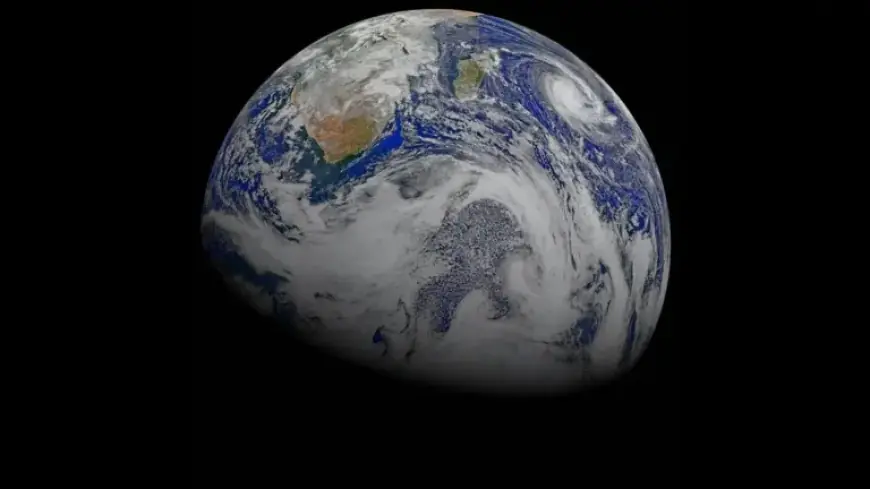
Recent research illustrates how Earth’s surface movements significantly influence climate shifts. This new understanding demonstrates that the interaction of tectonic plates plays a vital role in the planet’s carbon cycle, affecting atmospheric conditions over millions of years.
Understanding Earth’s Carbon Cycle
Traditionally, scientists have linked climatic changes to variations in atmospheric carbon dioxide. However, this new study provides a more nuanced view. Researchers found that carbon release is not solely confined to volcanic arcs but involves diverse geological processes.
- Key Geographical Features: Tectonic plate boundaries, including mid-ocean ridges and continental rifts, are significant sources of carbon emissions.
- Volcanic Arcs: Previously thought to be major contributors of atmospheric carbon, these arcs have played a lesser role historically.
The Deep Carbon Cycle
The deep carbon cycle is crucial for understanding climate variations. At mid-ocean ridges, extensive carbon-rich sediments form on the ocean floor. These sediments store carbon dioxide, which can later be released when tectonic activity occurs.
As tectonic plates drift, they transport these sediments toward subduction zones. Here, carbon is eventually returned to the atmosphere, affecting global climate systems.
Historical Context of Carbon Emissions
Over the last 540 million years, climatic transitions between greenhouse and icehouse states were driven by carbon emissions correlating with tectonic activity. During warmer greenhouse periods, the release of carbon dioxide exceeded sequestration, while icehouse periods saw dominance in carbon absorption by the oceans.
The Role of Planktic Calcifiers
New insights reveal the influence of planktic calcifiers—tiny ocean organisms that convert carbon into calcite. Their evolution around 200 million years ago contributed to the carbon-rich sediments found on ocean floors. This change shifted carbon emissions towards volcanic arcs in the past 120 million years.
Implications for Climate Models
This research offers a fresh perspective on climate dynamics. Recognizing the balance between carbon emissions and accumulation within sediments is vital for future climate predictions.
- Current Challenges: The study highlights the need to consider geological processes when modeling climate scenarios.
- Human Impact: Understanding the natural carbon cycle informs the ongoing implications of rising atmospheric carbon levels due to human activity.
This detailed analysis expands our knowledge of how Earth’s tectonic movements and carbon cycles interplay to shape climate, offering crucial insights for future research and climate strategy development.